Sweeteners have long been a subject of interest in the food industry, especially when it comes to yogurt production. As a sweeteners supplier, I’ve witnessed firsthand the evolving landscape of yogurt manufacturing and the role that sweeteners play in it. In this blog, I’ll explore whether sweeteners can be used in making yogurt, the types of sweeteners suitable for this purpose, and the benefits and considerations associated with their use. Sweeteners
The Role of Sweeteners in Yogurt
Yogurt is a popular dairy product known for its creamy texture and tangy flavor. However, the natural taste of yogurt can be a bit too tart for some consumers. This is where sweeteners come in. They can enhance the flavor of yogurt, making it more palatable and appealing to a wider range of taste preferences.
Sweeteners also play a role in the texture of yogurt. They can help to thicken the yogurt, giving it a smoother and creamier consistency. This is particularly important in the production of Greek yogurt, which is known for its thick and creamy texture.
Types of Sweeteners Suitable for Yogurt
There are several types of sweeteners that can be used in making yogurt. Each type has its own unique characteristics and benefits.
Sugar
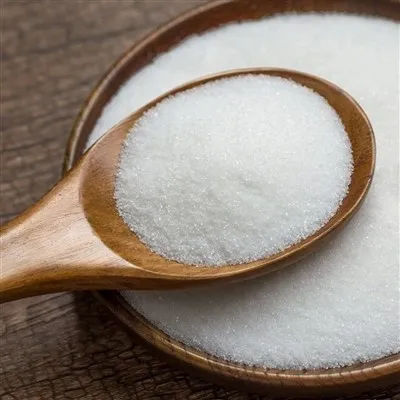
Sugar is the most common sweetener used in yogurt production. It is readily available, easy to use, and provides a classic sweet taste. However, sugar is also high in calories, which can be a concern for consumers who are watching their sugar intake.
High – Fructose Corn Syrup (HFCS)
HFCS is another popular sweetener in the food industry. It is cheaper than sugar and has a similar sweetness level. HFCS is also more soluble in water, which can make it easier to incorporate into yogurt. However, like sugar, HFCS is high in calories and has been linked to various health issues, such as obesity and diabetes.
Artificial Sweeteners
Artificial sweeteners, such as aspartame, sucralose, and saccharin, are low – calorie or calorie – free alternatives to sugar. They are much sweeter than sugar, so only a small amount is needed to achieve the desired level of sweetness. Artificial sweeteners are a good option for consumers who want to enjoy sweetened yogurt without the extra calories. However, some people may have concerns about the safety of artificial sweeteners, as there have been some studies linking them to potential health risks.
Natural Sweeteners
Natural sweeteners, such as honey, maple syrup, and stevia, are becoming increasingly popular in yogurt production. Honey and maple syrup are rich in flavor and have some health benefits, such as antioxidants. Stevia is a plant – based sweetener that is much sweeter than sugar and has zero calories. Natural sweeteners are a good option for consumers who prefer a more natural and healthy alternative to sugar.
Benefits of Using Sweeteners in Yogurt
Enhanced Flavor
As mentioned earlier, sweeteners can enhance the flavor of yogurt, making it more enjoyable to eat. This can help to increase consumer acceptance and sales of yogurt products.
Extended Shelf Life
Some sweeteners, such as sugar, can act as a preservative in yogurt. They can help to inhibit the growth of bacteria and other microorganisms, which can extend the shelf life of the yogurt.
Improved Texture
Sweeteners can also improve the texture of yogurt. They can help to thicken the yogurt and give it a smoother and creamier consistency, which can enhance the overall eating experience.
Considerations When Using Sweeteners in Yogurt
Health Concerns
As with any food ingredient, there are health concerns associated with the use of sweeteners in yogurt. High – calorie sweeteners, such as sugar and HFCS, can contribute to weight gain and other health problems if consumed in excess. Artificial sweeteners, while low – calorie or calorie – free, have been the subject of some controversy regarding their safety. It is important for yogurt manufacturers to be aware of these concerns and to choose sweeteners that are appropriate for their target market.
Regulatory Requirements
There are also regulatory requirements that must be met when using sweeteners in yogurt. In many countries, there are limits on the amount of sweeteners that can be used in food products, and certain sweeteners may require specific labeling. Yogurt manufacturers must ensure that they comply with these regulations to avoid any legal issues.
Consumer Preferences
Consumer preferences are constantly changing, and yogurt manufacturers need to stay up – to – date with these trends. Some consumers are looking for low – sugar or sugar – free yogurt options, while others prefer natural sweeteners. By understanding consumer preferences, manufacturers can choose the right sweeteners to meet the needs of their customers.
Case Studies: Successful Use of Sweeteners in Yogurt
Many yogurt manufacturers have successfully used sweeteners to improve the flavor and quality of their products. For example, some companies have introduced low – calorie yogurt options sweetened with artificial sweeteners or stevia. These products have been well – received by consumers who are looking for a healthier alternative to traditional sweetened yogurt.
Other companies have used natural sweeteners, such as honey or maple syrup, to create unique and flavorful yogurt products. These products appeal to consumers who prefer a more natural and artisanal approach to food.
Conclusion
In conclusion, sweeteners can definitely be used in making yogurt. They can enhance the flavor, texture, and shelf life of yogurt, making it a more appealing product for consumers. However, it is important for yogurt manufacturers to carefully consider the type of sweetener they use, taking into account health concerns, regulatory requirements, and consumer preferences.
As a sweeteners supplier, I am committed to providing high – quality sweeteners that meet the needs of yogurt manufacturers. Whether you are looking for a classic sugar option, a low – calorie artificial sweetener, or a natural sweetener, I can offer a range of products to suit your requirements.
Citric Acid Anhydrous If you are a yogurt manufacturer and are interested in learning more about the sweeteners we offer, or if you would like to discuss your specific needs and requirements, I encourage you to reach out to me. We can have a detailed discussion about the best sweeteners for your yogurt products and how they can help you to create a more appealing and successful product.
References
- American Dairy Products Institute. (2023). Dairy Processing Handbook.
- International Food Information Council. (2023). Sweeteners: A Consumer Guide.
- World Health Organization. (2023). Guidelines on Sugars Intake for Adults and Children.
Fudijia (Tianjin) Supply Chain Co., Ltd.
With abundant experience, we re one of the most professional sweeteners manufacturers and suppliers in China. We warmly welcome you to wholesale bulk high quality sweeteners made in China here from our factory. For more information, contact us now.
Address: 301-2-1C,Jin Bin Jie Zuo,No.98, Huanghai Road,TEDA, Tianjin, China
E-mail: foodchem@hjlfoods.com
WebSite: https://www.ifoodchem.com/
