What are the environmental impacts of Grave Goods?
As a provider of grave goods, I’ve spent a significant amount of time thinking about our products’ environmental impacts. Grave goods, which have been part of funerary customs for millennia, hold deep cultural and emotional significance. However, in an era where environmental consciousness is at an all – time high, it’s crucial to understand the effects these items have on our planet. Grave Goods

Materials Used in Grave Goods and Their Environmental Footprint
One of the primary considerations when discussing the environmental impact of grave goods is the materials from which they are made. Common materials include metals such as bronze, silver, and gold, as well as ceramics, wood, and synthetic materials.
Metals are a staple in the production of many high – end grave goods, such as jewelry, figurines, and decorative urns. The extraction of metals like gold and silver is an extremely resource – intensive process. Gold mining, for example, requires large amounts of water and energy. It also often involves the use of toxic chemicals like cyanide, which can contaminate soil and water sources, leading to long – term damage to ecosystems. Moreover, the refining process of these metals releases greenhouse gases, contributing to climate change.
Ceramics, another popular material for grave goods, are made from clay and fired at high temperatures. The firing process consumes a significant amount of energy, usually derived from fossil fuels. This energy consumption not only depletes non – renewable resources but also increases carbon emissions. Additionally, the production of ceramics can lead to soil degradation, as large amounts of clay are extracted from the earth.
Wood is a natural material used for items like wooden caskets and urns. While it is a renewable resource, deforestation associated with the timber industry is a major concern. Illegal logging and unsustainable forestry practices can lead to habitat loss for countless plant and animal species. It also disrupts the carbon cycle, as trees absorb carbon dioxide from the atmosphere. When forests are cleared, this carbon is released back into the air.
Synthetic materials, such as plastics, are increasingly being used in the production of some grave goods. Plastics are derived from fossil fuels and are non – biodegradable. They can take hundreds of years to break down in the environment, and when they do, they often release microplastics, which pose a significant threat to wildlife, especially in aquatic ecosystems.
Burial and Decomposition of Grave Goods
The way grave goods are buried also plays a substantial role in their environmental impact. When grave goods are interred in the ground, they interact with the soil and groundwater. For example, if a metallic item has a protective coating, the chemicals in that coating may leach into the soil over time. These chemicals can be harmful to microorganisms in the soil, which are essential for maintaining soil fertility and a healthy ecosystem.
In the case of plastic grave goods, they can fragment into microplastics that can be ingested by soil – dwelling organisms. These microplastics can then enter the food chain, potentially causing health problems for larger animals and humans.
Some grave goods may be treated with preservatives to prevent decay. These preservatives can be toxic, and if they seep into the groundwater, they can contaminate water supplies. This is a particular concern in areas where groundwater is used for drinking.
On the other hand, when natural and biodegradable materials are used for grave goods, they can have a much lower environmental impact. For instance, a wooden casket made from sustainably sourced wood will eventually decompose, adding nutrients back to the soil and enriching the ecosystem.
Cultural and Social Factors Influencing the Choice of Grave Goods
Cultural and social factors often play a significant role in the selection of grave goods. In many cultures, the type and quantity of grave goods are seen as a way to honor the deceased. For example, in some Asian cultures, it is common to bury precious items with the deceased as a sign of respect and to ensure a comfortable afterlife. In Western cultures, elaborate caskets and expensive urns are sometimes chosen to reflect the status or personality of the deceased.
These cultural traditions can be difficult to change, but as our understanding of environmental issues grows, there is a shifting awareness. Some families are now choosing more environmentally friendly options while still respecting their cultural heritage. For example, instead of a solid gold necklace, they may opt for a simple gold – plated or gold – filled piece. Or, instead of a large, ornate marble tombstone, they may choose a smaller marker made from recycled materials.
The Role of Grave Goods Providers in Mitigating Environmental Impact
As a grave goods provider, I feel a strong responsibility to reduce the environmental impact of our products. One of the steps we are taking is to source materials more sustainably. For metals, we are looking for suppliers who use responsible mining practices and recycle a significant portion of their materials. In the case of wood, we are partnering with forestry companies that follow strict sustainable forestry guidelines.
We are also exploring the use of alternative materials. For example, we are researching the development of biodegradable plastics made from plant – based sources. These materials can offer the durability and aesthetic appeal of traditional plastics without the long – term environmental damage.
In addition to material sourcing, we are also educating our customers about the environmental impact of different grave goods. We provide information about the materials used, the production processes, and the end – of – life options for each product. By empowering our customers with knowledge, we hope to encourage them to make more environmentally conscious choices.
Towards a More Sustainable Future for Grave Goods
The future of the grave goods industry lies in finding a balance between cultural traditions and environmental responsibility. We need to develop innovative solutions that allow us to continue honoring the deceased while minimizing our impact on the planet.
This could involve further research into new materials and production techniques. For example, 3D printing technology could be used to create custom – made grave goods using less material and energy. Additionally, we could explore more efficient ways to recycle and reuse grave goods, reducing the demand for new raw materials.
Another important aspect is collaboration. We need to work with environmental organizations, researchers, and other stakeholders in the funeral industry to develop best practices for sustainable grave goods production. By sharing knowledge and resources, we can make significant progress in reducing the environmental impact of our products.
Conclusion and Call to Action
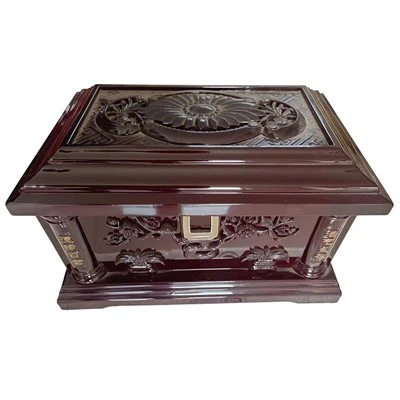
In conclusion, the environmental impacts of grave goods are multifaceted and complex. They range from the resource – intensive production processes to the long – term effects of burial on the environment. However, as a grave goods provider, I am committed to taking steps to minimize these impacts.
Cremation Urn with Moisture Protection We believe that by making sustainable choices, we can not only protect our planet but also ensure that future generations can continue the tradition of using grave goods in a responsible way. If you are in the market for grave goods and are interested in learning more about our sustainable options, we would love to have a conversation with you. We can discuss your specific needs and preferences and help you find products that are both meaningful and environmentally friendly. Reach out to us to start a procurement conversation and let us work together towards a more sustainable future for grave goods.
References
- Green burial council reports on sustainable funeral practices
- Environmental Protection Agency studies on the impact of mining and waste on soil and water
- Journal articles on the cultural significance of grave goods and their modern – day evolution
- Forest Stewardship Council publications on sustainable forestry
Anhui Herun Handicrafts Co., Ltd.
With abundant experience, we are one of the most professional grave goods manufacturers and suppliers in China. Please feel free to wholesale high quality grave goods made in China here from our factory. We also accept customized orders.
Address: No. 8, Xinfa North Road, Industrial Park, Yangcun Town, Tianchang City, Chuzhou City, Anhui Province
E-mail: Anhhr2021@163.com
WebSite: https://www.herungongyi.com/
