Hey there! I’m a supplier of quick lime powder, and I’ve been getting a lot of questions lately about how this magical stuff can purify water. So, I thought I’d take a moment to break it down for you in a way that’s easy to understand. Quick Lime Powder
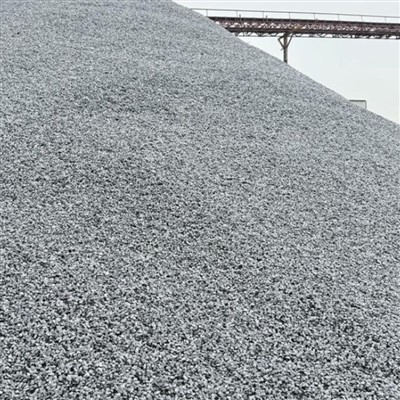
First off, let’s talk about what quick lime powder is. Quick lime, also known as calcium oxide (CaO), is a white, caustic, alkaline powder that’s made by heating limestone (calcium carbonate) in a kiln. It’s a pretty common industrial chemical, but one of its lesser – known but super useful applications is water purification.
Now, how does it work? Well, there are a few different ways that quick lime powder can help clean up water.
pH Adjustment
One of the main things quick lime does is adjust the pH of water. Most of the time, water sources can have a pH that’s either too acidic or too basic for safe use or for certain industrial processes. Quick lime is highly alkaline. When you add it to water, it reacts with the water molecules in a process called slaking. The chemical reaction is CaO + H₂O → Ca(OH)₂. Calcium hydroxide, or slaked lime, is a strong base.
By increasing the pH of the water, quick lime can make the water environment less hospitable for many types of harmful microorganisms. A lot of bacteria, viruses, and fungi don’t like high – pH conditions. So, raising the pH can act as a natural disinfectant to some extent. For instance, in water treatment plants that deal with wastewater, adjusting the pH can be a crucial first step in the purification process. It can also help in the precipitation of certain metals. Many heavy metals are more likely to form insoluble hydroxides at higher pH levels. So, by raising the pH, we can get these metals to fall out of the water as solids, which can then be easily removed through filtration.
Precipitation of Contaminants
Another major way quick lime purifies water is through the precipitation of various contaminants. When we add quick lime to water, as we saw earlier, it forms calcium hydroxide. This calcium hydroxide can react with different substances in the water.
One of the most common reactions is with dissolved carbon dioxide. In the water, carbon dioxide exists in equilibrium with carbonic acid (H₂CO₃), and it can also form bicarbonate and carbonate ions. When calcium hydroxide is present in the water, it reacts with these carbonate – related species to form calcium carbonate (CaCO₃), which is a solid. The reactions are as follows:
Ca(OH)₂ + CO₂ → CaCO₃↓+ H₂O
Ca(OH)₂ + 2HCO₃⁻ → CaCO₃↓+ CO₃²⁻+ 2H₂O
This precipitation of calcium carbonate is a big deal because it can also trap other suspended particles in the water. Think of it like a magnet pulling in all the small, unwanted bits floating around in the water. As the calcium carbonate forms and settles, it takes these other contaminants with it to the bottom, making the water clearer.
It also helps in removing phosphates. Phosphates are a problem in water bodies because they can cause excessive growth of algae, known as algal blooms. When quick lime is added to water containing phosphates, calcium phosphate (Ca₃(PO₄)₂) is formed as a precipitate. The reaction is 3Ca(OH)₂ + 2H₃PO₄ → Ca₃(PO₄)₂↓+ 6H₂O. Once the calcium phosphate precipitates out, it can be filtered out of the water, reducing the phosphate levels and helping to prevent those pesky algal blooms.
Coagulation and Flocculation
Quick lime can also play an important role in the coagulation and flocculation process. In water, there are often small, colloidal particles that are so tiny that they don’t settle easily on their own. These particles are usually negatively charged, which makes them repel each other and stay suspended in the water.
When we add quick lime, the positively charged calcium ions from the calcium hydroxide can neutralize the negative charges on these colloidal particles. Once the charges are neutralized, the particles can start to come together and form larger clumps. These clumps are called flocs. As the flocs grow larger, they become heavy enough to settle to the bottom of the water container.
In water treatment plants, this process is often enhanced by adding other coagulants along with quick lime. But even on its own, quick lime can start the ball rolling in getting these small, hard – to – remove particles to bunch up and eventually be removed from the water.
Advantages of Using Quick Lime Powder for Water Purification
There are several reasons why quick lime powder is a great choice for water purification. First of all, it’s relatively inexpensive. Compared to some of the high – tech water purification chemicals out there, quick lime is a budget – friendly option, especially for large – scale water treatment operations like municipal water plants.
It’s also readily available. Since it’s a common industrial chemical, it’s easy to source in large quantities. This makes it a practical choice for areas that need to treat a lot of water, like rural communities or industrial sites.
Another advantage is that it’s pretty effective. As we’ve seen, it can tackle multiple types of water contaminants, from microorganisms to heavy metals and phosphates. It’s a multi – functional solution in the world of water purification.
Some Considerations
Now, it’s not all sunshine and rainbows when using quick lime powder for water purification. There are some things you need to be careful about. First of all, quick lime is highly caustic. When handling it, you need to wear proper protective gear, like gloves and goggles. If it comes into contact with your skin or eyes, it can cause serious burns.
Also, when adding quick lime to water, it’s important to do it slowly and in the right amounts. Adding too much too quickly can cause a rapid increase in temperature due to the exothermic slaking reaction. This can be dangerous and can also lead to improper water treatment if the reaction gets out of control.
And finally, after treating the water with quick lime, you may need to adjust the pH back to a more neutral level before using the water. This is because the water will end up being quite alkaline after the treatment.
So, there you have it! That’s how quick lime powder can purify water. Whether you’re running a small – scale water treatment project or a large municipal water plant, quick lime can be a valuable tool in your water purification arsenal.
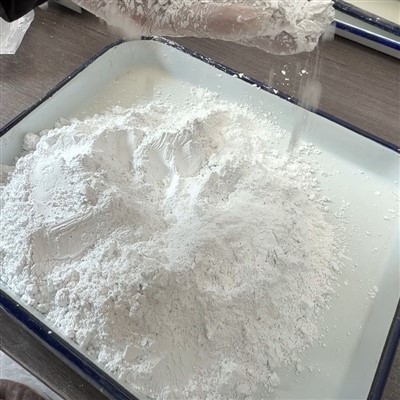
If you’re interested in purchasing quick lime powder for your water purification needs, I’d love to have a chat with you. We can discuss your specific requirements, the quantity you need, and the best way to get it to you. Don’t hesitate to reach out and start a conversation about how we can work together to make your water purification process more efficient and cost – effective.
Slaked Lime Powder References
- "Water Chemistry" by Frank J. Logsdon and David DeWalle
- "Introduction to Environmental Engineering" by Gilbert M. Masters and Wendell P. Ela
Chaohu Jirun Energy Conservation and Environmental Protection Technology Co., Ltd.
We’re well-known as one of the leading quick lime powder manufacturers and suppliers in China, also support customized service. Welcome to wholesale high quality quick lime powder in stock here from our factory. If you have any enquiry about pricelist, please feel free to email us.
Address: No. 9, north of the intersection of Weihai Road and Weili Avenue, within the industrial park of Yinping Town, Chaohu City, Hefei City, Anhui Province.
E-mail: 13305654485@163.com
WebSite: https://www.chaohujirun.com/
