Hey there! I’m a supplier of cable harness assemblies. Dealing with these nifty bundles of wires day in and day out, I’ve seen my fair share of glitches. In this blog, I’m gonna share some tips on how to troubleshoot cable harness assemblies. Cable Harness Assemblies
Understanding the Basics
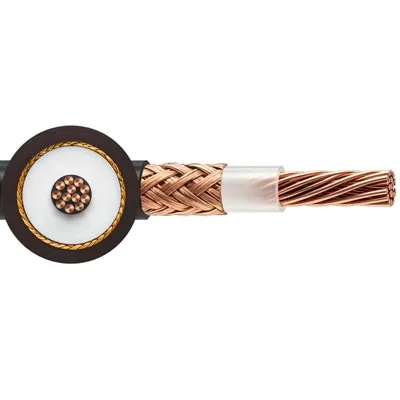
First things first, you gotta know what a cable harness assembly is. It’s a bunch of wires, cables, and connectors all put together to transmit electrical signals or power. Think of it as a road system for electricity, where each wire is like a lane guiding the current to its destination.
When you start troubleshooting, the first step is to have a good look at the schematic. This is like a map that shows how all the components are supposed to be connected. Without it, you’re basically wandering around in the dark. Check the specs, too. Make sure the wires are the right gauge, the connectors are the correct type, and everything meets the required standards.
Visual Inspection
A simple visual inspection can go a long way. I mean, you’d be surprised at how many issues can be spotted just by taking a good look. Start by looking for any obvious signs of damage. Are there any cuts or frays in the wires? If so, it’s a clear red flag. These can cause short circuits or intermittent connections.
Check the connectors as well. Are they properly seated? Loose connectors can lead to signal loss or power failures. Sometimes, the pins inside the connectors can get bent or corroded. If you see any corrosion, it could be due to moisture or a chemical reaction. You might need to clean or replace the connector in such cases.
Also, pay attention to the routing of the cable harness. If it’s been bent too sharply or is rubbing against something rough, it can damage the wires over time. Make sure it’s installed in a way that keeps it away from any sharp edges or moving parts.
Testing Continuity
Once you’ve done the visual inspection, it’s time to test the continuity. This is a fancy way of saying you’re checking if electricity can flow through the wires properly. You can use a multimeter for this. Set it to the continuity setting, which usually makes a beeping sound when there’s a connection.
Start by disconnecting the cable harness from the power source. Then, touch the probes of the multimeter to the two ends of each wire. If you hear a beep, that means there’s continuity, and the wire is good. If not, there’s a break somewhere in the wire. You’ll have to trace the wire to find out where the problem is.
Some cables might have a shield, which is a thin layer of metal around the wires to protect them from electromagnetic interference. You can also test the continuity of the shield to make sure it’s working correctly.
Signal Testing
If you’re dealing with cables that transmit data or signals, you’ll need to do some signal testing. This is a bit more complicated than testing continuity. You might need some specialized equipment like an oscilloscope.
The oscilloscope shows you the waveform of the signal. You can compare it to the expected waveform to see if there are any issues. For example, if the signal is distorted or has a lot of noise, it could mean there’s a problem with the cable or the connector.
Another thing you can do is to check the signal strength. Weak signals can cause data errors or slow communication. You can use a signal strength meter to measure the signal. If it’s too low, it could be due to a damaged cable, a bad connector, or interference.
Looking for Environmental Factors
Sometimes, the problem isn’t with the cable harness itself but with the environment it’s in. For example, if it’s in a hot or humid place, it can cause problems. High temperatures can make the insulation on the wires brittle, which can lead to cracks and short circuits. Humidity can cause corrosion on the connectors.
Check for any signs of overheating, like discoloration or a burning smell. If you find any, you might need to improve the ventilation in the area or move the cable harness to a cooler place.
Also, keep an eye out for any signs of water damage. If the cable harness has been exposed to water, it can cause all sorts of problems. You might need to dry it out thoroughly and check for any damage to the wires or connectors.
Checking the Power Supply
If the cable harness is used to supply power, you need to make sure the power supply is working correctly. Check the voltage and current levels. If they’re too high or too low, it can cause problems for the devices connected to the cable harness.
You can use a power analyzer to measure the power supply. Make sure it’s within the specified range. If it’s not, you’ll need to troubleshoot the power supply itself or check if there’s a problem with the wiring between the power supply and the cable harness.
Comparing with a Known Good Cable Harness
If you’re still having trouble finding the problem, you can compare the cable harness you’re testing with a known good one. This can help you identify any differences. Check the length of the wires, the type of connectors, and the way they’re connected.
If you find any differences, it could be the source of the problem. You might need to replace the faulty component or re – assemble the cable harness to match the known good one.
When to Call in the Experts
Sometimes, despite your best efforts, you just can’t figure out what’s wrong. That’s when it’s time to call in the experts. We suppliers have a lot of experience dealing with cable harness assembly issues. We’ve seen it all, from simple wiring mistakes to complex signal problems.
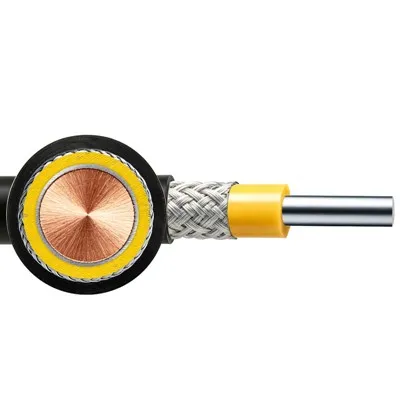
We have the right tools and knowledge to diagnose and fix the problem quickly. So, if you’re stuck, don’t hesitate to reach out. Whether you’re a small business or a large corporation, we’re here to help you get your cable harness assemblies up and running smoothly.
Power Cable Low Voltage If you’re facing any issues with cable harness assemblies or if you’re looking to purchase high – quality assemblies, feel free to contact us for a chat. We can offer you advice on troubleshooting and also provide you with the best solutions for your needs.
References
- "Electrical Wiring Handbook"
- "Cable and Connector Technology Handbook"
- Industry whitepapers on cable harness assembly troubleshooting
Yangzhou Huayu Cable Co., Ltd.
Yangzhou Huayu Cable Co., Ltd. is one of the most professional cable harness assemblies manufacturers and suppliers in China, also supports customized service with low price. Please feel free to wholesale advanced cable harness assemblies made in China here from our factory. Contact us for pricelist.
Address: No. 9 Jingang Road, Yangzhou City, Jiangsu Province, China
E-mail: huayucableco@126.com
WebSite: https://www.huayucabletech.com/
