If you’ve ever pressed a plastic bin into the shape of a cookie cutter and watched it hold form, or lifted a perfectly curved decorative panel from a mold without seeing bubbles, warps, or faded edges, you’ve witnessed the quiet power of dimensional stability in decorative vacuum forming films. As a third-generation supplier of decorative vacuum forming films, I field this question at least once a week from cabinet makers, signage designers, and even small-batch product creators who’ve dealt with the headache of films that shrink, stretch, or shift mid-mold—turning a smooth, custom surface into a puzzle of uneven edges or unaligned patterns. Let’s break down what dimensional stability actually means for these films, why it matters more than you think, and how my team’s work keeps our customers’ projects on track. Decorative Vacuum Forming Film
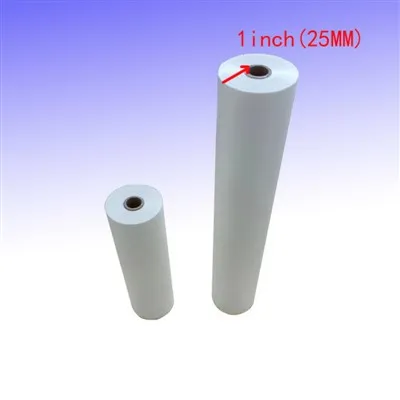
First, let’s start with the basics, no stuffy textbook jargon. When we talk about dimensional stability in decorative vacuum forming films, we’re talking about how well that film holds its size, shape, and original visual properties (like print registration, gloss, or texture) when you stretch it over a mold, apply heat, and cool it down. Think of it like a spandex shirt versus a cotton t-shirt: spandex stretches way more and doesn’t hold shape, while cotton stays the size you cut it, even after a gentle tug. That’s the core difference. For vacuum forming, you heat the film to a malleable state (usually between 120°C and 180°C, depending on the film type) so it can drape over a mold’s contours—say, the curved edge of a kitchen cabinet door or the rounded surface of a store sign. If the film is unstable, two things go wrong: either it shrinks as it cools, pulling away from the mold’s edges and leaving gaps, or it stretches unevenly, making a printed logo twice as big in one corner or distressing a wood-grain pattern in the middle. Over the 15 years I’ve worked with these films, I’ve seen a customer ruin $2,000 worth of pre-cut cabinet doors because they used a cheap, low-stability film that shrank 12% when heated—enough to leave ½-inch gaps along each frame. That’s the kind of problem dimensional stability solves.
Now, let’s get into why decorative vacuum forming films have stability levels that vary so widely. Not all films are made the same, and the raw material choices, manufacturing processes, and pre-treatment steps all play a role. Most of our films are made from PVC, PETG, or ABS—each with their own inherent stability. PVC is the workhorse for most decorative applications because it’s flexible, takes print well, and has good baseline stability, but cheap PVC films often use low-grade plasticizers that leach when heated, causing shrinkage. PETG is a step up for applications that need more clarity or resistance to chemicals, but it requires precise heating temperatures because it softens quickly—too much heat and it stretches unevenly, too little and it won’t drape over detailed molds. ABS is rigid, great for hard, structural decorative parts like store display bases, but it can warp if not cooled slowly after forming.
But stability isn’t just about the base plastic—we do a few extra things at our factory to make our films hold their shape. First, we add what’s called heat stabilizers during extrusion. These are chemical compounds that prevent the plastic’s polymer chains from breaking down when exposed to high processing temperatures. Without them, the polymer chains break, the film shrinks, and the surface fades. Second, we calibrate the film during production by pulling it through rollers at a controlled temperature and tension. This aligns the polymer molecules in a consistent direction, so when the film is heated, it stretches evenly instead of bunching or shrinking in one spot. Third, we add a print adhesion layer that’s bonded to the film before decoration. I’ve seen many films where the print peels or shifts because the adhesion layer doesn’t have the same stability as the base film—our process ensures the print moves in lockstep with the film during forming, so logos and patterns stay aligned, even on deep molds.
Let’s talk about how dimensional stability plays out in real-world projects, because that’s what matters most. Last year, we worked with a custom cabinet maker in Chicago who was creating 500 Shaker-style kitchen doors for a luxury apartment building. They were using our 0.5mm PVC wood-grain film, which has a shrinkage rate of less than 2% when formed over a 10-inch deep mold. The customer originally tried a cheaper film from a supplier in another state, and when they formed the first batch, the wood-grain pattern shifted 8% along the curved edges, making each door look slightly off. Our film didn’t just hold its shape—it also maintained the gloss level of the wood-grain finish, so every door matched the sample they approved. Another customer was a signage company making 100 curved outdoor signs for a national coffee chain. They used our PETG film, which has a heat resistance rating of up to 160°C, so when they formed the sign over the mold, the film didn’t stretch unevenly, and the UV-resistant print stayed crisp. They installed the signs two years ago, and we haven’t had a single call about warping or fading.
A common misconception we hear is that “thicker films are more stable.” That’s not always true. A thick, cheap PVC film with bad stabilizers will shrink more than a thin, high-quality film with calibrated polymer alignment. Thickness matters for application, but stability is about the internal structure. For example, our 0.3mm PETG film is often used for small, detailed signs because it’s thin enough to drape over sharp edges, but our calibration process makes it just as stable as our 0.5mm version. We test every batch of film before it leaves our factory to confirm stability—we heat a 12×12 inch sample to its recommended forming temperature, hold it for 60 seconds, cool it, and measure any shrinkage or stretching. We also test print registration by forming a film with a printed grid, then check if the grid lines are still straight and evenly spaced across the molded surface. That’s how we ensure our films meet our 2% maximum shrinkage standard—something most suppliers can’t match.
Now, why does this stability matter beyond just avoiding headaches? For our customers, time is money. If a batch of formed parts doesn’t fit their project, they have to order more materials, reprint decals, or wait for replacement parts—costing them days or even weeks of deadlines. For cabinet makers, delays mean missing install dates and paying penalties to contractors. For signage companies, delayed installations mean missing grand opening dates for their clients. Dimensional stability isn’t just a technical spec—it’s a way to keep projects on schedule and on budget. It also affects the lifespan of the finished part. A film that shrinks after installation will pull away from the substrate (the wood, metal, or plastic it’s bonded to), leaving gaps where dirt and moisture can get in, leading to peeling or mold. Our films are designed to maintain their shape over years of temperature changes, UV exposure, and humidity, so the finish stays intact.
I know what some of you are thinking: “How do I know if my film has good dimensional stability?” It’s a valid question, and not all suppliers will be upfront about their testing. Here are a few things to look for when evaluating decorative vacuum forming films: Ask for the shrinkage rate specification—any reputable supplier should be able to give you a maximum percentage of shrinkage or stretching at their recommended forming temperature. Ask for test data from their batches—many will send you sample films to test yourself. Take a 1×1 inch square of film, mark the edges, heat it with a heat gun (set to the temperature they recommend) for 60 seconds, cool it, and measure the square. If it’s less than 2% smaller or larger, it’s a good sign. Also, look for films with UV stabilizers if you’re using them outdoors, and check if the print layer is bonded to the base film—this ensures the pattern won’t shift during forming.
As a supplier, we don’t just sell film rolls—we sell reliability. I’ve been in this industry long enough to know that a customer’s success is our success. That’s why we invest in testing equipment, work with our raw material suppliers to get the best stabilizers and polymers, and work closely with each customer to match the right film to their project. Whether you’re forming small, detailed signage or large cabinet panels, we help you choose a film that will hold its shape, keep your patterns aligned, and look great for years.
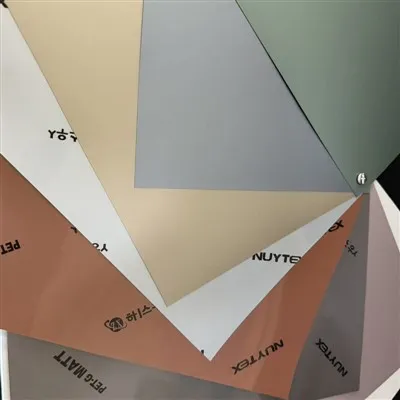
If you’re working on a project and dealing with film warping, shifting print, or missed deadlines, don’t let dimensional stability derail your work. Reach out to our team to discuss your needs, get samples, and learn how our decorative vacuum forming films can keep your projects on track. We’re here to answer questions, provide test data, and help you find the right solution for your next job.
Digital Thermal Laminaton Film References
- Harper, C. A. (2002). Modern Plastics Handbook. McGraw-Hill.
- ROSENBERG, D. (2015). Vacuum Forming: Technology and Applications. Society of Plastics Engineers.
- Andrews, G. (2019). Polymer Stability and Degradation. CRC Press.
- National Association of Manufacturers. (2021. Best Practices for Decorative Vacuum Forming.
Yantai Hongqing Packing Material Co., Ltd.
Yantai Hongqing Packing Material Co., Ltd. is one of the most professional decorative vacuum forming film manufacturers and suppliers in China, also supports customized service. Welcome to wholesale advanced decorative vacuum forming film made in China here and get quotation from our factory. Quality products and reasonable price are available.
Address: Eastern Industrial Park, Taocun, Yantai, Shandong Province, China
E-mail: cindy@ythongguang.cn
WebSite: https://www.hqingnewmat.com/
