If you’ve ever stared at a can of sardines in your pantry, half wondering if they’re just for pizza toppings or salads, you’re not alone. I get so many messages from home cooks and even small café chefs asking the same thing: “Can sardines actually go in an omelet?” As a sardine supplier, I’ve spent years testing this exact combo behind the scenes (think: early-morning kitchen trials with my team, way too many omelet mess-ups, and even a few happy team members who’ve become obsessed with this dish). The short answer? Hell yeah, they can. And once you tweak a few tiny steps, they turn an ordinary omelet into something savory, satisfying, and way more nutrient-dense than your average egg breakfast. Let’s break this down—no fancy science jargon, just real talk from someone who sells sardines for a living and eats way too many of these omelets on weekends. Sardine
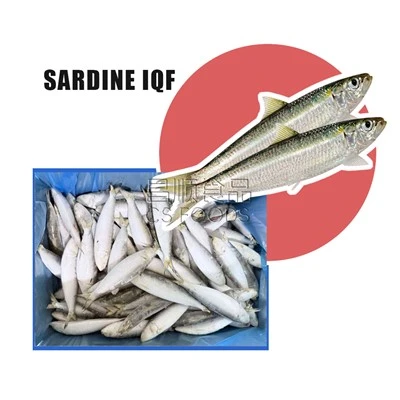
First, let’s get the big stigma out of the way. A lot of people avoid sardines because they think they’re “too fishy.” Here’s the tea: that smell or strong taste only happens if you’re using the wrong kind of sardines, or if you cook them wrong. The sardines we supply are all MSC-certified (that’s the Marine Stewardship Council, meaning they’re caught sustainably, no overfishing, which matters a lot to me as a small-scale supplier) and packed in either olive oil, water, or even lightly seasoned tomato sauce. For omelets, I almost always grab the ones packed in olive oil or plain water—no added sauces, because we’re building flavor from scratch here.
Wait, let’s talk nutrition for a sec, because I know a lot of you care about that. Sardines are tiny, but they’re nutritional powerhouses. One can (about 3.75 ounces, which is the standard size I send to most of my customers) has over 20 grams of protein, way more omega-3s than salmon (per ounce, I’ve checked—don’t @ me), calcium from the tiny soft bones that you don’t even notice when cooked, and vitamin B12, which is huge for energy and brain function. When you mix that with eggs, you’re getting a balanced meal that’ll keep you full for 3+ hours, no mid-morning snack crash. A lot of my regular clients—college students, busy parents, gym rats—order extra sardines specifically for omelets because it’s so much easier and cheaper than grabbing a protein bar.
Now, the actual cooking part, because this is where most people mess up. Let’s be real: if you just dump a whole can of sardines straight into your raw egg mix, you’re gonna get a soggy, fishy mess and probably a few tiny bones that surprise you. No thanks. Here’s my go-to method, refined over hundreds of omelet tries:
First, drain the sardines. I know, I know—“why drain the olive oil? It’s healthy!” Yeah, but that extra oil will make your omelet soggy. Save a little (like a teaspoon) for the pan, but dump the rest into a small bowl (you can even drizzle it over toast later, don’t waste it). Then, take each sardine and flake it gently with a fork. Here’s the secret step: run your fingers over the flaked sardines to pick out any tiny, occasional bones. I know it sounds tedious, but they’re so small you won’t even notice once cooked, and it saves you the horror of biting into a random bone mid-meal. Pro tip: the sardines we supply are super fresh, so they only have a handful of tiny bones, not a bunch like canned tuna sometimes.
Next, flavor boosts to cut any fishiness (if you’re worried about that). I don’t add anything crazy, just simple stuff that pairs perfectly with sardines and eggs. Think: a handful of chopped scallions, a pinch of red pepper flakes for a little kick, a tiny bit of minced garlic (not too much, it’ll overpower the sardines), and maybe a squeeze of half a lemon right before you fold the omelet. Oh, and a sprinkle of parmesan cheese if you’re into that—nothing fancy, just the pre-grated kind works fine. The key here is that the sardines are the star, not a side note, so you don’t want to cover their nice, briny flavor.
Wait, let’s talk pan temp too. I use a non-stick skillet, heated to medium-low—high heat will burn the eggs and make the sardines tough. Once the pan is warm, add that teaspoon of reserved sardine oil (or a little butter, if you prefer) and swirl it around. Then, pour in 2-3 eggs, whisked with a splash of milk or water (I use water, it makes the omelet fluffier, no extra calories). Let the eggs set for about 30 seconds, then gently push the edges of the omelet toward the center with a spatula, tilting the pan so the uncooked egg runs to the edges. Once the top is almost set (still a tiny bit runny), sprinkle the flaked sardines, scallions, red pepper flakes, and a little parmesan over half the omelet. Then fold the empty half over the filled half, cook for another 30 seconds, and slide it onto a plate. Squeeze a little lemon on top, done.
I know some of you are thinking, “That’s it? No weird ingredients?” Nope. My 10-year-old niece even eats these—she used to turn her nose up at seafood, but she loves this omelet. I make them every Sunday for brunch for my family, and my dad (who’s a total food snob) asks for them every single week.
But let’s address the elephant in the room: why this works better than other omelet fillings. Most omelet fillings are either heavy (like cheese and bacon, which are high in saturated fat) or bland (like spinach and mushrooms, which don’t add much protein). Sardines are briny, salty, and savory—they add depth without being overpowering. And since they’re already cooked (canned sardines are fully cooked before packing, right?), you don’t have to worry about undercooking them or anything. You just need to heat them up a little in the pan with the eggs, which takes barely any time.
As someone who runs a small sardine supply business, I love when people find new ways to use our product. For too long, sardines have been seen as a “poverty food” or something you only eat when you’re camping. But they’re so versatile—you can put them on toast, in pasta, on salads, and yes, in omelets. I’ve had a few regular customers who used to only order sardines for weekend camping trips, and now they order 10 cases a month for their café’s brunch menu. That’s the kind of thing that makes my job worth it—helping people realize how good and easy sardines are, not just for emergency meals, but for regular, delicious cooking.
Wait, let’s throw in a quick troubleshooting tip, because I know someone will mess up the first try. If your omelet is too fishy, you either used too many sardines, didn’t drain them enough, or didn’t add the lemon. Stick to 3-4 sardines per 2-3 eggs (about a quarter of a standard can), drain all the extra oil, and don’t skip the lemon. If your sardines are bland, maybe you got the ones packed in water instead of olive oil? No judgment—just add a tiny pinch of salt and pepper, or a splash of soy sauce, to amp up the flavor.
Another thing to note: sardines are super sustainable, which is a big selling point for a lot of my clients. Unlike larger fish like tuna or salmon, which take years to mature and can be overfished, sardines are small, reproduce quickly, and are caught in huge numbers without damaging the ocean ecosystem. All the sardines I supply are MSC-certified, so you can feel good about eating them, too. That’s why I started selling sardines in the first place—most of the other seafood suppliers around me were focused on big, fancy fish, and I wanted to offer something that’s good for people and good for the planet.
Let’s circle back to the original question: can sardines be used in omelets? Absolutely. They’re easy, affordable, healthy, and way more flavorful than you’d think. The key is not to overcomplicate it, treat the sardines gently, and add a few simple flavors to bring out their best. I’ve had so many people DM me saying they tried this and now it’s their go-to breakfast, and that’s the best part of my job—hearing that something I supply has made someone’s morning a little better.
If you’re a home cook looking to switch up your breakfast routine, or a restaurant chef wanting to add a new, unique item to your brunch menu, don’t sleep on sardine omelets. And if you’re looking for a reliable, sustainable sardine supplier that’s all about helping you make great food, feel free to reach out for wholesale or bulk orders. Whether you need a small shipment for your kitchen or a big order for your café, we’ve got you covered. No hoops to jump through, no hidden fees, just good, fresh sardines that work perfectly for this (and all) recipes.

At the end of the day, omelets are all about being flexible—you can fill them with whatever you have in your fridge. But if you’ve got a can of sardines sitting in your pantry, don’t let it go to waste. Grab some eggs, a little lemon, and make this. I promise you won’t regret it.
Processed Squid References:
- USDA FoodData Central. (2024). Sardines, canned, in oil, drained solids. U.S. Department of Agriculture, Agricultural Research Service.
- Marine Stewardship Council. (2023). MSC Certified Fisheries: Sardine Species Overview. Marine Stewardship Council.
- Position of the Academy of Nutrition and Dietetics: Use of Diets Rich in Omega-3 Fatty Acids for Cardiovascular Disease. (2021). Journal of the Academy of Nutrition and Dietetics.
Changshion Foods Co., Ltd.
As one of the most professional sardine manufacturers and suppliers in China, we have world-leading production equipment and strong manufacturing capabilities. Please rest assured to wholesale high quality sardine at competitive price from our factory.
Address: NO. 710, JIUER EAST ROAD, SHISHI CITY, QUANZHOU CITY, FUJIAN PROVINCE, CHINA
E-mail: info@changshion.com
WebSite: https://www.changshionfoods.com/
