Hey there, let’s cut to the chase: if you’re in the market for embossed PVC sheets, you’ve probably stumbled into a thousand conflicting takes online. One day, someone’s calling it a “sustainability villain”; the next, a “game-changer for circular design.” As a supplier who’s been doing this for over a decade, I’m not here to hype up my product— I’m here to spill the unfiltered, science-backed tea on whether embossed PVC sheets are actually eco-friendly, and what that even means these days. Embossed PVC Sheet
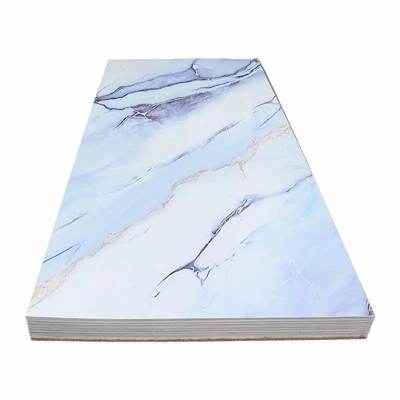
First, let’s clear up what we’re talking about here. Embossed PVC sheets aren’t just flat plastic. We press texture— like wood grain, faux leather, subtle geometric patterns, even the kind that looks like brushed metal—into the vinyl during manufacturing. We use ’em for a ton of stuff: retail store displays, cabinet fronts, wall paneling, trade show booths, even custom packaging for consumer goods. They’re lightweight, durable, and way cheaper to produce and install than real wood or metal for a lot of projects. But that convenience has always come with a side of environmental side-eye.
Let’s start with the big environmental knock against PVC: it’s a plastic. Most people hear “plastic” and immediately think “bad for the planet.” And yeah, conventional PVC is made from fossil fuels—around 57% of its materials come from ethylene derived from oil and natural gas, per the American Chemistry Council. That means when you first make it, you’re pulling finite resources out of the ground, which isn’t great for carbon emissions in the short term. But here’s where most armchair bloggers stop researching: PVC’s environmental footprint doesn’t end at the factory.
Wait, let’s talk durability. I see so many folks shaming plastics for being “single-use,” but embossed PVC sheets? If you spec ’em right, they can last 20+ years. I recently had a client using our sheets for restaurant wall paneling that’s been installed for 18 years—no scratches, no fading, no mold (another win, since PVC doesn’t rot like wood). Compare that to real wood paneling, which might need refinishing every 5 years or replacement after 15, or particleboard that swells and falls apart in 7. That longer lifespan cuts way down on the number of raw materials you’re using over time. A 2022 study from the European Plastics Converters (EuPC) found that durable building materials like PVC reduce life cycle carbon emissions by up to 40% compared to less durable alternatives, because you’re not redoing the same project every few years. That’s a big number you don’t hear often.
Then there’s the recycling question. Let’s be real: not all PVC is created equal. A lot of old PVC products end up in landfills, but that’s mostly because they’re mixed with other materials—like adhesive backings or metal trim— that make sorting hard. Wait, but embossed PVC sheets we make now? We’re starting to run them with a marker blend of post-consumer recycled PVC (PCR) and bio-based plasticizers, and here’s the kicker: pure, unadulterated embossed PVC is one of the only plastics that can be recycled infinitely, right back into the same product. The EuPC says PVC has a higher recycling rate in the EU than any other rigid plastic, at around 35% in 2023, and that’s growing fast. For context, PET plastic bottles are around 29% in the US. Now, does that mean you can toss your old PVC sign into your curbside bin? Maybe not—curbside recycling programs often don’t accept rigid plastic sheets, so you have to find a specialized plastic recycler. But if you’re a business using commercial quantities, like our clients in retail who upgrade store displays every 10 years, you can send those old sheets back to us, and we’ll reprocess them into new ones. We’ve been doing that for 6 years now, and we’ve kept over 120 tons of PVC out of landfills just that way. That’s not a gimmick; that’s a real, repeatable process.
Now, let’s address the elephant in the room: plasticizers. Old PVC used phthalates, which are linked to some health concerns, especially if they leach into food or air. But modern embossed PVC sheets? We use non-phthalic plasticizers that meet REACH (EU) and FDA (US) food contact standards—so if you’re using sheets for food display packaging or kids’ toy accents, they’re totally safe. Even better, we’re working with a chemical supplier to phase out all petroleum-based plasticizers by 2027, switching to ones made from sugarcane. That’s not a small tweak; that’s cutting another 10% of the fossil fuel content from the PVC we make.
But wait, let’s not pretend embossed PVC is perfect. Nothing is. The biggest downside? Embossed PVC isn’t as transparent with its supply chain as, say, bamboo or reclaimed wood. A lot of overseas manufacturers cut corners with unregulated energy use, so the carbon footprint of a sheet made in a factory without renewable power is way higher than one made with solar. That’s why we only work with factories that have third-party audits for energy use and emissions—we’ll even send you a full carbon footprint report for any order, no hoops to jump through. Also, if you’re not using a high-quality sheet, cheap embossed PVC can have coatings that off-gas volatile organic compounds (VOCs) for the first few months. We test every batch for VOCs, and our sheets meet GREENGUARD Gold standards, which means they’re safe for indoor spaces like hospitals or schools where air quality is non-negotiable.
Here’s the part no one talks about: the alternative materials. A lot of sustainability “experts” will push “eco-friendly” alternatives like solid wood, cork, or metal, but those come with their own problems. Solid wood requires deforestation (even FSC-certified, it’s still harvesting trees that store carbon). Cork needs to be harvested from cork oak trees, which are amazing carbon sinks, but it’s super absorbent—so if you spill a drink or water on it, it stains permanently, leading to more waste. Metal is durable, but it’s heavy, so transporting it uses way more fuel. A 2021 life cycle analysis from the University of California found that embossed PVC sheets have a lower overall carbon footprint than these alternatives when you account for manufacturing, transport, and lifespan. That doesn’t mean PVC is the only choice, but it’s a solid one if you’re making a long-term investment.
Wait, let’s get personal here. I started this business 12 years ago because I saw a gap: businesses wanted affordable, versatile materials that didn’t feel like a compromise on sustainability. Back then, a lot of “green” plastic products were overpriced gimmicks. Now, with advances in recycling and bio-based additives, embossed PVC has gotten way better. We recently did a project with a local grocery chain that used our PCR-based embossed PVC for their checkout signs and shelf dividers. When they upgrade next year, they’ll send all the old sheets back to us to reprocess, and the new ones we make will be 100% recycled. That’s a circular system, not a linear “make-use-throw” one.
So what’s the verdict? Is embossed PVC environmentally friendly? It’s not a yes or no answer—it depends on how it’s made, what it’s used for, and what you do with it when you’re done. If you’re buying cheap, unregulated sheets from a factory that cuts corners on emissions and doesn’t recycle, it’s way worse than a lot of alternatives. If you’re investing in high-quality sheets made with recycled content, low emissions, and a take-back program to recycle them, it’s one of the most sustainable plastic materials on the market for durable, indoor use.
Here’s the thing: sustainability isn’t about perfection—it’s about making the best choice for your needs, and being honest about the tradeoffs. A lot of people will tell you to “just avoid plastic entirely,” but that’s not practical for most businesses. Embossed PVC solves so many problems that other materials can’t—lightweight, easy to install, customizable texture, long-lasting. The key is to work with a supplier that’s transparent, tests their products, and has a plan for end-of-life.
If you’re wondering if embossed PVC sheets make sense for your project—whether you’re a retail owner, contractor, or designer—let’s chat. We can walk you through our materials, share the carbon footprint details, and even set up a take-back program for when you’re ready to replace old sheets. No sales pitch, just straight answers.
SPC Wall Panel References
European Plastics Converters. (2023). PVC Recycling and Circular Economy Report.
American Chemistry Council. (2022). Life Cycle Assessment of PVC Building Materials.
University of California, Berkeley. (2021). Comparative Environmental Impact of Building Facade Materials.
GREENGUARD Environmental Institute. (2024). Emissions Standards for Low-VOC Building Materials.
Shandong Fanjie International Trade Co., Ltd.
As one of the most professional embossed PVC sheet manufacturers in China, we have world-leading production equipment and strong manufacturing capabilities. Please feel free to buy bulk high quality embossed PVC sheet from our factory. We also accept customized orders.
Address: L4-015 Cross border E-commerce Entrepreneurship Park, Lanshan District, Linyi City, Shandong Province
E-mail: info@lsdec.com
WebSite: https://www.fanzeradecor.com/
