Hey there, let’s cut to the chase—if you’re here asking “how often should I replace another parts for my equipment,” you’re probably not here for some generic, textbook answer. You’re a shop manager, a field tech, maybe a small fleet owner who’s staring at a half-disassembled machine on your workbench, wondering if that random part is gonna fail mid-job and cost you way more than a proactive replacement. And yeah, I’m the owner of the another parts supplier you might’ve stumbled on—so I see this question every single week, from guys who’ve called me at 2 a.m. panicking ’cause a part died on a job site, costing ’em a client. Another Parts
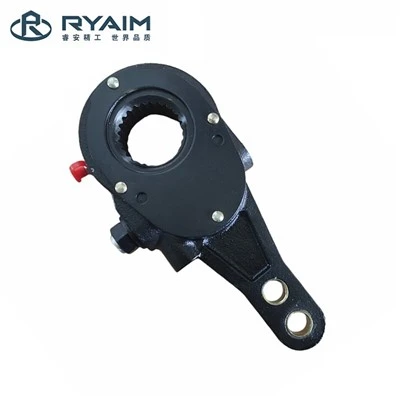
First off, let’s clear up a big myth: there’s no one-size-fits-all timeline for another parts. If I told you “replace every 6 months” or “once a year,” I’d be lying, and you’d end up wasting money on parts you don’t need, or ignoring a part until it ruins a $10k piece of equipment. But what I can give you is the real, on-the-ground breakdown of what actually determines replacement frequency, based on 12 years of selling another parts to farmers, construction crews, delivery fleets, and even small manufacturers.
Let’s start with the two biggest factors that nobody talks about: usage and environment. That’s it. If you run a delivery van that’s on the road 12 hours a day, every single day, your another parts (say, a cooling system hose, or a drive belt—those are super common another parts we stock) are gonna wear way faster than the same part on a farm tractor that only runs during planting/harvest season, 4 hours a day. And environment? If your jobsite is a dusty construction lot out in Arizona, dust is like sandpaper for another parts—seals get worn out in 8 months, where in a climate-controlled factory, those same seals could last 3 years. If you’re working in a swampy, saltwater-heavy area (like coastal construction), corrosion becomes a thing, so metal another parts need checked way more often than in a dry, inland shop.
Now, let’s break down the most common another parts and what we actually tell our customers about when to replace ’em, no fluff.
First, the “wear-and-tear” another parts—these are the ones that move, flex, or touch other stuff every time the machine runs. Think drive belts, hoses, wiper blades, small bearings. For these, the general rule we use is: check every routine maintenance interval (usually every 100 hours for heavy equipment, 5k miles for light fleet), and replace when you see wear. Wait, “when you see wear” isn’t vague—here’s what to look for on a drive belt: cracks on the inner side, glazing (that shiny, smooth spot from too much friction), or if it’s stretched so loose it slips off the pulley. A hose? Cracks along the edges, softening (squishy when you squeeze it), or bulges that don’t go away when you let the pressure off. For these, if you’re in heavy use (10+ hours a day), don’t wait for that visible wear—we recommend replacing ’em every 12-18 months max. If you’re light use, 2-3 years. I’ve had a customer who runs a small bakery delivery van, only drives it 100 miles a week, and his original drive belt lasted 7 years. Another customer who runs a landscaping crew, 10+ hours a day, needed a new belt every 10 months. That’s the difference right there.
Then there are the “seal and protection” another parts—oil seals, gaskets, O-rings. These are the ones that keep dirt, water, and grime out of the machine’s inner workings. Too many people ignore these until they have an oil leak or a contaminated part that seizes up. For these, the timeline is tied to usage, but also: if you’re replacing a part that uses a seal, always replace the seal. That’s a rule I drilled into every tech who works with my another parts. For light use, check seals at every oil change (every 3k-5k miles) and replace if they’re brittle or leaking. For heavy use, swap ’em every 18-24 months, even if they look fine. Why? Because dirt getting past a tiny seal can ruin a $500 bearing, and a $8 seal is way cheaper than that. I had a guy last year who skipped replacing an oil seal on his skid steer—dirt got in, seized the hydraulic pump, cost him $2,200 to fix. The seal would’ve been $12. Don’t do that.
Next, the “corrosion-prone” another parts—metal bits like brackets, pins, fasteners, small connectors. If you’re in a salty, damp, or dusty environment, these are gonna rust way faster than in a dry shop. We tell customers in coastal areas to inspect these every 6 months, replace any that have more than light surface rust. If a pin’s rusted thick, it’s gonna break under pressure when you’re lifting a load, which is dangerous. Inland, dry areas? You can go 12-18 months. Also, a pro tip: when you buy another metal parts from us, ask for the zinc-plated ones—they’re a few bucks more, but last 2x longer in harsh environments. We started stocking those 5 years ago, and 90% of the guys who buy ’em say it’s the best upgrade they’ve made for their equipment.
Wait, but what about parts that aren’t moving, like electrical another parts? Sensors, switches, fuses. Those are trickier. They don’t wear out from use as much as from heat, vibration, or bad wiring. For electrical another parts, we recommend testing ’em at every major maintenance check—so every 200 hours for heavy equipment, 10k miles for light. If a sensor’s giving wonky readings, or a switch is loose, replace it. A bad oxygen sensor on a delivery van is gonna lower your fuel efficiency by 15%, which adds up to hundreds a month. I’ve had a fleet manager who swears by replacing his electrical another parts every 2 years, even if they work fine—he says the peace of mind is worth the $20-$50 per part, and he hasn’t had a breakdown from a bad electrical part in 3 years. That’s a smart call, not overkill.
Now, let’s talk about the mistakes people make here. First, waiting until a part breaks. That’s the big one. Every time a part dies mid-job, you’re not just paying for the part—you’re losing labor, maybe a client, maybe even damaging other parts. A proactive replacement is way cheaper. Second, using cheap no-name another parts. I get it, everyone loves a deal, but a $5 hose from no-name is gonna wear out 2x faster than our standard another parts, which are made to OEM specs (that means they fit and work like the original part that came with your machine). So that “cheap” part ends up costing you more in the long run. Third, ignoring your equipment’s manual. Yeah, I know, manuals are thick and boring, but most manufacturers list recommended replacement intervals for critical another parts right in there. Don’t just skip that—cross-reference it with your usage. If the manual says “replace hoses every 2 years” but you’re running 10 hours a day, knock that down to 12 months.
Wait, also—what about emergency replacements? If you’re in a bind and a part breaks right now, don’t stress too much about the “ideal” timeline. Use a high-quality another part (ours are tested, by the way) and inspect it every 50 hours after installation. If it’s holding up, you’re good. If not, swap it faster. That’s the middle ground between panic and neglect.
Let me wrap this up with a real example I saw last month. A guy runs a small farming operation in Iowa—heavy use during planting, light during the rest of the year. He came to me confused ’cause he’d replaced his another hydraulic hoses 3 times in 2 years, but his neighbor (same tractor, same usage) only replaces his every 3 years. Turned out, his neighbor lives out in the country, away from dusty roads, while this guy drives his tractor down gravel roads every day to get to the field. Gravel dust = way more wear on hoses. So that’s why his timeline was different. That’s exactly what I’m talking about—no universal number, just tailored to your specific setup.
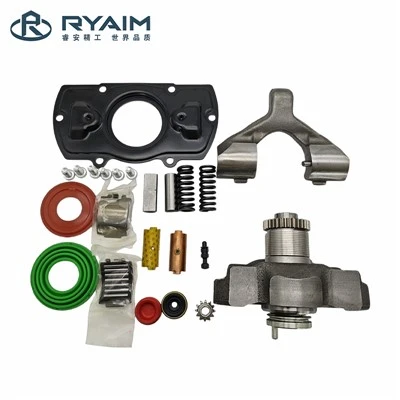
If you’re still unsure about your specific another parts, whether you’re wondering if yours are due for replacement, or you need a part that fits your exact machine, hit me up. We work with all kinds of folks—small fleets, farmers, techs, you name it—and we’ll walk you through what’s right for your usage, your environment, your budget. No pushy sales, no jargon, just straight answers about another parts that actually work for your gear.
Another Parts References:
- Society of Automotive Engineers (SAE) International. (2021). “Wear Characteristics of Mobile Equipment Components in Heavy-Duty Applications.”
- International Organization for Standardization (ISO). (2019). “Guidelines for Maintenance and Replacement of Industrial and Commercial Equipment Components.”
- Equipment Watch. (2022). “Proactive vs. Reactive Maintenance: Cost Analysis for Heavy Equipment Fleets.”
- National Agri-Marketing Association. (2020). “Maintenance Best Practices for Farm Equipment in Variable Environmental Conditions.”
- Automotive Parts Association (APA). (2021). “OEM vs. Aftermarket Part Performance and Lifespan.”
Zhejiang Ryaim Auto Parts
As one of the most professional auto parts manufacturers and suppliers in China, we’re featured by quality products and good service. Please feel free to wholesale custom made auto parts from our factory. Contact us for more details.
Address: No. 78, Yexiao Road, Yaojiang Town, Zhuji City, Zhejiang Province
E-mail: bd@zjryaim.com
WebSite: https://www.ryaimchina.com/
