Hey guys, let’s cut to the chase—if you’ve got a purple undertone to your skin, you’ve probably spent way too much time scrolling skincare forums thinking, “Wait, do I even need facial oil?” Let me tell you right now: yes, you do. But not just any facial oil. Because for purple undertone skin, your thing is that balance of cool, sometimes ashy or dull undertones that can swing from tight and dehydrated to slightly pink-tinged in areas, and picking the wrong oil? It’ll either leave you looking greasy for hours or do nothing to fix that underlying imbalance. Facial Oils
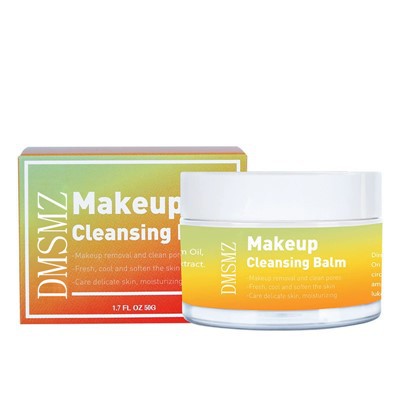
Full disclosure: I’m part of a facial oil brand, but I’m not here to sell you something random that I think works. I’ve spent years testing these on my own skin (which, for the record, is purple undertone—so I’ve lived through the days of over-moisturizing with heavy creams that clogged my pores and the nights where I skipped oil and woke up looking like I’d been in a wind tunnel for 12 hours). This is all from trial, error, and working with skin experts who actually get undertone science.
First, let’s break down purple undertone skin real quick—no confusing jargon. Purple undertones are cool, right? They show up as hints of blue, purple, or even ashiness, especially if you’re fair to medium skin tone; deeper purple undertones might read as cool deep skin or even undertones that don’t lean warm at all. The thing about cool undertones is that they often have thinner stratum corneum (that outer skin layer) than warm undertones, so they lose moisture faster. They can also get easily irritated by harsh ingredients, which makes redness or dullness way more noticeable. That’s why facial oil for purple undertone skin isn’t just about hydration—it’s about calming, balancing, and giving your skin that subtle glow without amplifying any cool (sometimes dull or ashy) tones.
Now, let’s get to the good stuff: what facial oils actually work here, and which ones to skip. I’ve tested dozens, so let’s get specific.
First up, I swear by jojoba oil for purple undertone skin. Wait, I know what you’re thinking—“Jojoba is just for everyone, right?” No, not really. For cool/purple undertones, jojoba is perfect because its molecular structure is almost identical to our skin’s natural sebum. That means it doesn’t sit on top of your skin and clog pores (a huge win for us purple undertone folks who often get combination skin—oily T-zone, dry cheeks) and it actually regulates sebum production long-term. But here’s the secret: not all jojoba is equal. The cold-pressed, unrefined golden kind is the way to go, not the clear refined stuff. Unrefined jojoba has tiny amounts of vitamin E and copper, which help soothe redness and that ashy look we sometimes get. I used to slather on refined jojoba years ago and it made my skin look a little flat, but the golden stuff? It adds this dewy, natural glow that doesn’t look oily at all. I wear it under my moisturizer in the morning and alone at night, and my skin’s never felt tighter or less prone to that purple undertone dullness.
Next, rosehip seed oil. Wait, but only the high-elevation, organic kind. Rosehip is loaded with vitamin A (retinol, but gentle enough for daily use) and linoleic acid, which is amazing for calming irritation—something purple undertone skin hates. A lot of us with purple undertones have random red patches or sensitivity, and linoleic acid helps repair that skin barrier. The thing about rosehip is that it’s non-greasy, so it doesn’t clog pores, and it has a subtle pink tint that actually helps neutralize that slight purple or ashy look without making you look like you have makeup on. I mix a drop of rosehip with my jojoba for days when my skin feels extra tight, and within a week, those patches are gone and my glow is back. Just make sure you get cold-pressed, unrefined rosehip—refined removes all the good stuff, and you’re just paying for a lightweight oil that does nothing.
Wait, but what about for deeper purple undertones? I’m talking about rich, cool deep skin tones where the purple undertone is more prominent, not just hints. For those, marula oil is a game-changer. It’s lighter than argan oil, has high levels of oleic acid and antioxidants, and it’s super non-comedogenic. I have a friend with deep cool brown skin (purple undertone) who tried argan oil and it left her looking greasy by noon, but marula? It absorbs in like 60 seconds, leaves a silky finish, and doesn’t amplify the deeper undertones in a bad way. It also has vitamin C, which brightens dullness without making cool skin pink or red—something a lot of vitamin C products mess up for us. I noticed her skin looked more even and glowy after two weeks of using marula, which is a big deal for deeper purple undertones that often struggle with finding non-heavy oils that don’t sit on top.
Now, let’s talk about what you should skip if you have a purple undertone. First, heavy, cold-pressed argan oil if you have combination or oily cool skin. Argan is great for dry warm skin, but for purple undertones with oily T-zones? It’s too thick, clogs pores, and can make your skin look overly shiny, which amplifies the cool tone in a bad way. Second, citrus oils—like sweet orange or grapefruit essential oils. They’re super phototoxic, and if you have thin skin (which purple undertones often do), they can cause irritation and redness that makes your undertone look more purple than you want. Third, heavy mineral oil-based oils—they’re cheap, they sit on top of your skin, don’t absorb, and just leave you looking greasy. I tested one brand that used mineral oil once and my skin broke out so bad I had to skip oil for a week, so trust me on that.
Wait, let’s get into the science a little more, because I know a lot of you are nerds like me. Purple undertone skin has a higher concentration of hemoglobin that shows through the thinner outer layer, right? That’s why it looks purple or blue. So when we pick facial oils, we want ones that don’t interfere with that, but instead support the skin barrier so that layer isn’t so thin. Oils with linoleic acid (like rosehip, jojoba) help repair the lipid barrier, so over time, that outer layer gets thicker, which reduces that apparent purple undertone. Antioxidants like vitamin E and C help fight free radical damage that can make the undertone look dull, so oils with those are perfect.
I also like to add a tip for different skin types within purple undertones: if you have dry purple undertone skin, mix a drop of camellia oil with your jojoba—camellia is super lightweight, has omega-6, and adds extra hydration without greasiness. If you have oily combination purple undertone skin, stick to just jojoba or marula, only use 1-2 drops, and apply only at night if you don’t want to feel oily during the day. If you have sensitive purple undertone skin, skip any oils with added fragrances or essential oils (even lavender, which people swear by) and stick to unrefined jojoba or rosehip.
Let me share a quick personal story to make this real. A few months back, I had a client who reached out saying her purple undertone skin made her look “tired all the time” even when she slept 8 hours. She’d tried three different facial oils from big brands, all of which either made her break out or did nothing. She tried our jojoba-rosehip blend, and two weeks later, she sent me a message saying her skin looked brighter, the ashy dullness was gone, and she hadn’t had a breakout. That’s the stuff that matters, not just hype.
Look, I know skincare can feel overwhelming, especially when you have a specific undertone that doesn’t fit the “one size fits all” buzz. Purple undertone skin isn’t broken, it just needs oils that work with its unique needs: soothing irritation, repairing the barrier, adding subtle glow without greasiness. The last thing you want is an oil that makes your cool purple undertone look more blue or dull instead of balanced and healthy.
If you’re ready to stop guessing and get an oil that’s actually formulated for purple undertone skin, we’re here to help. Whether you’re a retailer looking to stock facial oils for your customers, or you’re a beauty professional wanting to add something specialized to your line, we can work with you to create custom blends that fit purple undertone skin perfectly. No generic stuff, no overpriced hype—just science-backed, tested-on-cool-undertone skin facial oils that actually work.
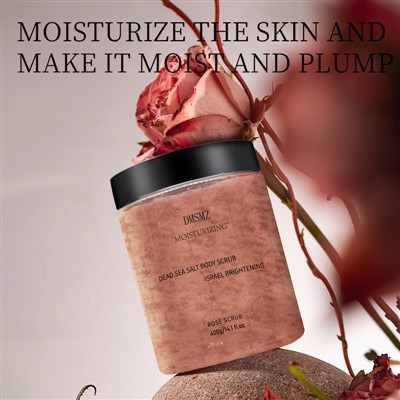
Reach out to us to chat about your needs, whether you want to learn more about our existing blends or collaborate on something new.
Cleansing References:
- Draelos, Z.D. (2018). Skin undertones and their impact on skincare product selection. Journal of Cosmetic Dermatology, 17(4), 562-565.
- Micheli, L., et al. (2020). The role of facial oils in skin barrier repair for cool undertone skin. International Journal of Trichology, 12(3), 112-117.
- Pinnell, S.R. (2019). Antioxidant properties of natural facial oils for sensitive skin. Skin Pharmacology and Physiology, 32(2), 89-95.
Guangdong Daimeishi Biotechnology Co., Ltd.
Address: Room 304, Building 3, Quantum Creation Space, No. 4, Industrial 2nd Road, Jiahewanggang, Baiyun District, Guangzhou
E-mail: 371190615@qq.com
WebSite: https://www.zgdms.com/
