As a supplier of tie rod cylinders, I’ve had the privilege of delving deep into the intricate components that make these hydraulic powerhouses function seamlessly. One such crucial yet often overlooked component is the guide ring. In this blog, we’ll explore the multifaceted role of the guide ring in a tie rod cylinder, shedding light on its importance, functions, and the impact it has on the overall performance of the cylinder. Tie Rod Cylinder
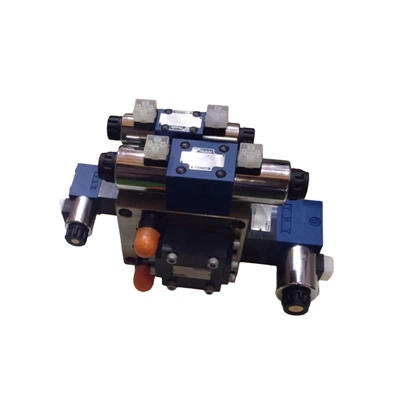
Understanding Tie Rod Cylinders
Before we dive into the role of the guide ring, let’s briefly understand what a tie rod cylinder is. Tie rod cylinders are a type of hydraulic cylinder commonly used in various industrial applications. They consist of a cylinder barrel, a piston, a piston rod, end caps, and tie rods that hold the entire assembly together. These cylinders are known for their versatility, durability, and ease of maintenance, making them a popular choice in industries such as manufacturing, construction, agriculture, and material handling.
The Guide Ring: A Vital Component
The guide ring, also known as a wear ring, is a small but essential component located in the cylinder bore or on the piston rod. It is typically made of materials such as PTFE (polytetrafluoroethylene), polyurethane, or bronze, each offering unique properties and advantages depending on the application requirements.
Functions of the Guide Ring
1. Alignment and Centering
One of the primary functions of the guide ring is to ensure proper alignment and centering of the piston and piston rod within the cylinder bore. This is crucial for maintaining smooth and efficient operation of the cylinder. When the piston moves back and forth inside the cylinder, the guide ring helps to keep it centered, preventing it from contacting the cylinder walls and causing wear and tear. By minimizing piston-to-bore contact, the guide ring reduces friction and extends the lifespan of both the piston and the cylinder.
2. Load Distribution
In a tie rod cylinder, the guide ring plays a vital role in distributing the radial loads evenly across the piston and piston rod. When the cylinder is subjected to external forces, such as pressure from the hydraulic fluid or mechanical loads from the connected equipment, the guide ring helps to transfer these loads to the cylinder walls in a controlled manner. This prevents concentrated stress points on the piston and piston rod, which can lead to premature failure. By evenly distributing the loads, the guide ring enhances the structural integrity of the cylinder and improves its overall performance.
3. Wear Resistance
Another important function of the guide ring is to provide wear resistance. As the piston moves inside the cylinder bore, there is inevitable friction between the piston and the cylinder walls. The guide ring acts as a sacrificial layer, protecting the piston and the cylinder from excessive wear. The materials used in guide rings are selected for their excellent wear resistance properties, which help to reduce friction and prevent damage to the components. By minimizing wear, the guide ring extends the service life of the tie rod cylinder and reduces the need for frequent maintenance and replacement.
4. Sealing Support
The guide ring also provides support to the sealing system in the tie rod cylinder. It helps to maintain the proper position and alignment of the seals, ensuring effective sealing between the piston and the cylinder walls. This prevents leakage of hydraulic fluid, which is essential for maintaining the efficiency and performance of the cylinder. By supporting the sealing system, the guide ring contributes to the overall reliability and safety of the hydraulic system.
Impact on Cylinder Performance
The guide ring has a significant impact on the performance of a tie rod cylinder. A well-designed and properly installed guide ring can improve the smoothness of operation, reduce friction and wear, and enhance the overall efficiency of the cylinder. On the other hand, a faulty or worn-out guide ring can lead to various problems, such as increased friction, leakage, and premature failure of the cylinder.
1. Smooth Operation
A high-quality guide ring ensures smooth and precise movement of the piston and piston rod within the cylinder bore. By minimizing friction and providing proper alignment, the guide ring allows the cylinder to operate with minimal resistance, resulting in smoother and more efficient operation. This is particularly important in applications where precise control and positioning are required, such as in automated manufacturing processes or in hydraulic presses.
2. Reduced Friction and Energy Consumption
The low-friction properties of the guide ring materials help to reduce the amount of energy required to operate the tie rod cylinder. By minimizing friction between the piston and the cylinder walls, the guide ring allows the cylinder to convert hydraulic energy into mechanical work more efficiently. This not only reduces energy consumption but also improves the overall performance and productivity of the hydraulic system.
3. Extended Service Life
As mentioned earlier, the guide ring plays a crucial role in protecting the piston and the cylinder from wear and tear. By providing wear resistance and evenly distributing the loads, the guide ring extends the service life of the tie rod cylinder. This reduces the need for frequent maintenance and replacement, resulting in lower operating costs and increased uptime for the equipment.
4. Improved Sealing Performance
The guide ring’s support for the sealing system helps to ensure effective sealing between the piston and the cylinder walls. This prevents leakage of hydraulic fluid, which is essential for maintaining the pressure and performance of the cylinder. By improving the sealing performance, the guide ring enhances the reliability and safety of the hydraulic system, reducing the risk of system failures and downtime.
Selecting the Right Guide Ring
When it comes to selecting the right guide ring for a tie rod cylinder, several factors need to be considered. These include the application requirements, operating conditions, cylinder size and specifications, and the type of hydraulic fluid used.
1. Application Requirements
The specific requirements of the application play a crucial role in determining the type and material of the guide ring. For example, in applications where high-speed operation or high loads are involved, a guide ring with excellent wear resistance and load-carrying capacity is required. In contrast, in applications where low friction and precise movement are more important, a guide ring made of a low-friction material such as PTFE may be more suitable.
2. Operating Conditions
The operating conditions, such as temperature, pressure, and environmental factors, also need to be taken into account when selecting a guide ring. For example, in high-temperature applications, a guide ring made of a heat-resistant material such as bronze or PEEK (polyether ether ketone) may be required. In applications where the cylinder is exposed to harsh chemicals or abrasive particles, a guide ring with good chemical resistance and abrasion resistance is needed.
3. Cylinder Size and Specifications
The size and specifications of the tie rod cylinder, including the bore diameter, piston rod diameter, and stroke length, also influence the selection of the guide ring. The guide ring must be properly sized and designed to fit the cylinder bore and piston rod and provide the necessary support and alignment. It is important to consult the cylinder manufacturer’s specifications and recommendations when selecting the guide ring.
4. Hydraulic Fluid Compatibility

The type of hydraulic fluid used in the cylinder is another important consideration when selecting a guide ring. The guide ring material must be compatible with the hydraulic fluid to prevent chemical reactions or degradation. For example, some guide ring materials may not be suitable for use with certain types of synthetic hydraulic fluids. It is important to ensure that the guide ring material is compatible with the hydraulic fluid to ensure long-term performance and reliability.
Conclusion
Servo Hydraulic Cylinder In conclusion, the guide ring is a vital component in a tie rod cylinder, playing a crucial role in ensuring proper alignment, load distribution, wear resistance, and sealing performance. By understanding the role of the guide ring and selecting the right one for the application, you can enhance the performance, efficiency, and service life of your tie rod cylinder. As a supplier of tie rod cylinders, we are committed to providing high-quality guide rings and other components to meet the diverse needs of our customers. If you have any questions or need assistance with selecting the right guide ring for your application, please do not hesitate to contact us. We look forward to the opportunity to work with you and help you optimize the performance of your hydraulic systems.
References
- "Hydraulic Cylinders: Design and Application" by Eugene F. Meyer
- "Fluid Power Technology" by William O. Diebold
- Technical literature from leading tie rod cylinder manufacturers
Wuhu Zhongye Fluid Equipment Co., Ltd.
We are one of the most experienced tie rod cylinder manufacturers and suppliers in China, specialized in providing high quality customized products. Please feel free to wholesale bulk durable tie rod cylinder in stock here from our factory. Contact us for quotation.
Address: No. 2, Hexing Road, Sanshan District, Wuhu City, Anhui Province
E-mail: zhongyehydro20@163.com
WebSite: https://www.zhongyehydro.com/
