Hey there! I’m a supplier of injection molding robots, and today I wanna chat about how these nifty machines manage part sorting. It’s a crucial aspect of the injection molding process, and getting it right can really boost efficiency and quality. Injection Molding Robot
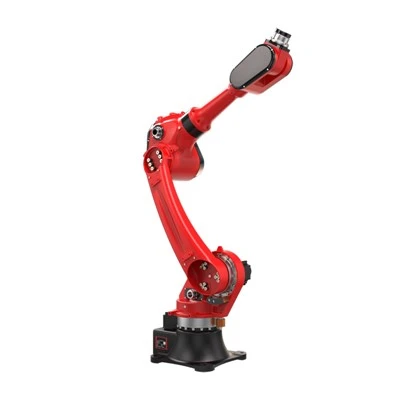
So, first off, let’s understand why part sorting is such a big deal. In injection molding, you sometimes end up with different types of parts coming out of the molds. Maybe you’re making a set of different-sized plastic components for a product. You need to separate them accurately so that they can be further processed, packaged, or assembled correctly. If you mix up the parts, it can lead to production delays, wasted materials, and even customer dissatisfaction.
One of the key ways an injection molding robot manages part sorting is through programmed logic. Before the robot even starts working, we set up a detailed program that tells it exactly what to do. For example, if we’re dealing with two different-sized parts, we can program the robot to recognize the size of the part as it picks it up from the mold. It uses sensors, like vision sensors or proximity sensors, to gather information about the part’s dimensions, shape, or other identifying features.
Vision sensors are super cool. They’re like the robot’s eyes. These sensors can take a picture of the part and compare it to a pre – stored image in the robot’s memory. If the part matches the image of a certain type, say a small – sized part, the robot will know where to place it. It then moves the part to the appropriate sorting area, like a bin or a conveyor belt dedicated to small parts.
Proximity sensors, on the other hand, are useful for detecting the physical characteristics of the part. They can sense how close the part is to the sensor, which can give an idea about its size or shape. For instance, if a part is bigger, it might trigger the proximity sensor at a different distance compared to a smaller part. Based on this data, the robot can make a decision about sorting.
But it’s not just about size. Sometimes, we need to sort parts based on color. Let’s say we’re producing injection – molded parts in different colors for a game set. The robot can be equipped with color sensors. These sensors work by emitting light and analyzing the color of the light that reflects off the part. If the part is red, and the robot is programmed to sort red parts into a specific location, it will do just that.
Another factor that injection molding robots consider during part sorting is the orientation of the part. In some cases, parts need to be placed in a particular direction for further processing. The robot can use a combination of sensors and algorithms to determine the part’s orientation. For example, if a part has a specific notch or protrusion, the vision sensor can detect it, and the robot can then rotate the part to the correct orientation before sorting it.
Now, let’s talk about how the robot actually moves the parts to the right places. Many injection molding robots use end – effectors. These are like the hands of the robot. Depending on the type of part, we can choose different end – effectors. For small, delicate parts, we might use a suction cup end – effector. It gently picks up the part by creating a vacuum, which is great for not damaging the part.
For larger or heavier parts, we could use a gripper end – effector. This has jaws that can firmly hold the part and move it around. Some grippers are adjustable, so they can adapt to different part shapes and sizes. Once the robot has picked up the part using the appropriate end – effector, it follows its programmed path to the correct sorting location.
One of the things that makes our injection molding robots really stand out is their flexibility. We can easily reprogram the robot if there’s a change in the part – sorting requirements. Let’s say we start a new production run where we need to sort an additional type of part. We can quickly update the robot’s program, including the sensor settings and sorting destinations. This saves a lot of time compared to traditional sorting methods.
In addition to that, our robots are designed to work in high – speed environments. They can pick and sort parts at a much faster rate than human labor. This not only increases productivity but also reduces the risk of errors that can happen with manual sorting, like fatigue causing mistakes or inconsistent sorting decisions.
Moreover, the integration of our injection molding robots with other production equipment is seamless. They can communicate with conveyor belts, packaging machines, and other automation systems. For example, once the robot has sorted the parts and placed them on a conveyor belt, the conveyor can automatically move the parts to the next stage of production, like a painting or assembly area.
So far, we’ve seen how injection molding robots use sensors, end – effectors, and programming to manage part sorting. But there’s also the aspect of data management. Our robots can collect data during the sorting process, like the number of parts sorted, the success rate of sorting, and any errors that occur. This data is invaluable for improving the production process. We can analyze the data to see if there are any patterns in sorting errors. Maybe a particular type of part is being mis – sorted more often. We can then adjust the robot’s programming or sensor settings to fix the issue.
If you’re in the injection molding industry and looking for a reliable solution for part sorting, our injection molding robots are the way to go. They’re designed to be efficient, accurate, and easy to use. Whether you’re a small – scale manufacturer or a large – scale production facility, we can customize the robot to fit your specific part – sorting needs.
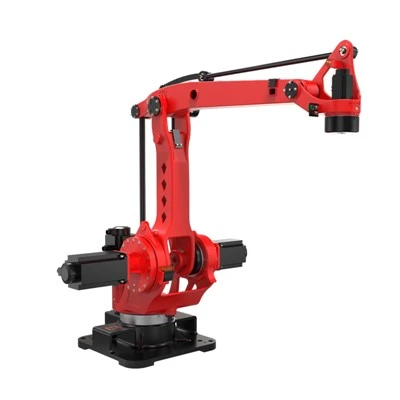
In conclusion, injection molding robots play a crucial role in managing part sorting. They use advanced sensors, appropriate end – effectors, and smart programming to separate different types of parts accurately. Their flexibility, high – speed operation, and seamless integration with other equipment make them a great asset for any injection molding process. If you’re interested in improving your part – sorting efficiency and quality, don’t hesitate to reach out. We’re here to help you take your production to the next level.
Welding Robot References:
- "Automation in Injection Molding" – Industry research report on injection molding technologies.
- "Sensors and Robotics in Manufacturing" – Academic publication covering the use of sensors in robotic manufacturing processes.
Robotic Technology (GD) Co., Ltd.
Robotic Technology (GD) Co., Ltd. is one of the most experienced injection molding robot manufacturers and suppliers in China, also supports custom service and one year warranty. Please feel free to wholesale CE approved injection molding robot for sale here from our factory. Contact us for quotation.
Address: Room 102, No. 30,Hengfeng 2nd Road,Daguo, Changping Town, Dongguan City,Guangdong,China
E-mail: admin@iroboticplus.com
WebSite: https://www.rb-tic.com/
