In today’s digital age, while streaming services and digital downloads have become the norm for accessing media, there’s still a significant value in physical CDs and DVDs. Whether it’s for nostalgia, collectors’ items, or data backup, keeping these discs organized and well – stored is essential. As a filling cabinet supplier, I’ve seen many customers grappling with the challenge of storing their CDs and DVDs effectively. In this blog, I’ll share some of the best storage solutions for CDs and DVDs within a filling cabinet. Filling Cabinet
1. CD and DVD Sleeves
CD and DVD sleeves are a simple yet highly effective storage option. They are made of materials like paper, plastic, or vinyl and are designed to hold a single disc. One of the main advantages of using sleeves is their space – efficiency. A large number of sleeves can be stacked vertically in a filling cabinet drawer, allowing you to store hundreds of discs in a relatively small area.
For instance, if you have a standard letter – sized filling cabinet drawer with a height of about 2.5 inches, you can easily fit several dozen CD sleeves. Moreover, sleeves are cost – effective. You can purchase a pack of 100 CD sleeves for a relatively low price. This makes them a great option for those on a budget or with a large CD and DVD collection.
However, there are some drawbacks. The discs are more exposed to scratches compared to other storage options. To mitigate this, look for sleeves with anti – scratch linings. Also, it can be a bit time – consuming to find a specific disc as you may need to flip through multiple sleeves.
2. CD and DVD Binders
CD and DVD binders are another popular choice. They consist of pages with individual pockets that can hold one or more discs. These binders come in various sizes, from small ones that can hold a few dozen discs to large ones that can accommodate hundreds.
The main advantage of binders is the ease of access. You can quickly flip through the pages to find the disc you’re looking for. They also offer better protection than sleeves as the discs are more enclosed. The pages are usually made of a soft material that helps prevent scratches.
In a filling cabinet, binders can be stored upright on a shelf. This not only keeps them organized but also makes it easy to see the spines of the binders, which can be labeled for quick identification. However, binders can take up more space compared to sleeves. If you have a large collection and limited space in your filling cabinet, you may need to choose a smaller – sized binder or use multiple binders in combination with other storage methods.
3. Disc Cases
Traditional CD and DVD cases, the ones the discs originally come in, can also be used for storage. While they may seem bulky, they offer the highest level of protection for your discs. The hard plastic shell protects the disc from scratches, dust, and minor impacts.
If you choose to store discs in their original cases in a filling cabinet, you can stack them horizontally in a drawer. This can be a good option if you have a small collection or if you want to keep the discs in a presentation – worthy condition. For example, collectors may prefer to keep their limited – edition or signed discs in their original cases.
However, the drawback is the sheer amount of space they take up. A standard CD case is about 5.75 inches wide, 4.75 inches tall, and 0.5 inches thick. If you have a large collection, you’ll quickly run out of drawer space. To optimize space, you can consider removing the outer cardboard sleeves and just storing the plastic cases.
4. Modular Storage Units
Modular storage units designed specifically for CDs and DVDs can be a great addition to a filling cabinet. These units come in different configurations, such as multi – tiered racks or stackable trays.
One of the benefits of modular units is their flexibility. You can customize the storage layout based on the size of your filling cabinet and the number of discs you have. For example, you can stack multiple trays on top of each other in a tall filling cabinet drawer to create a vertical storage system.
They also offer good organization. You can separate different types of media, such as music CDs, movie DVDs, and data DVDs, into different trays or compartments. However, modular units can be more expensive than sleeves or binders. You need to ensure that the unit you choose fits properly in your filling cabinet to avoid any wasted space.
5. Consider the Filling Cabinet Design
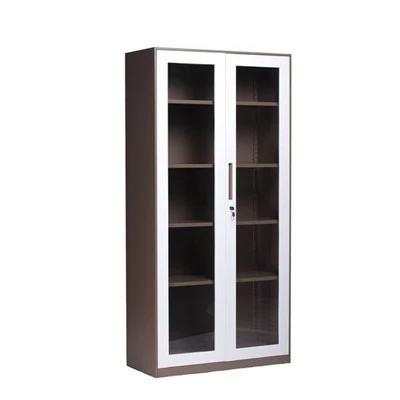
When choosing a storage solution for CDs and DVDs, it’s important to consider the design of your filling cabinet. If you have a cabinet with adjustable shelves, you can easily customize the space to fit different storage options. For example, you can lower the shelves to create more space for larger binders or modular units.
If your filling cabinet has drawers, make sure the depth and width of the drawers are suitable for the storage method you choose. Some CD and DVD storage options, like large binders or modular units, may not fit in a shallow drawer. Also, consider the weight capacity of the drawers. If you plan to store a large number of discs in heavy binders or cases, make sure the drawer can support the weight without sagging.
6. Labeling and Indexing
Regardless of the storage solution you choose, labeling and indexing are crucial for easy access. You can label the spines of binders, the front of sleeves, or the sides of modular units with the names of the artists, movies, or data types. This will help you quickly find the disc you’re looking for.
You can also create an index, either on paper or using a digital spreadsheet. List all your CDs and DVDs along with their storage locations. This way, even if you have a large collection, you can easily locate a specific disc without having to search through everything.
7. Environmental Considerations
The environment in which you store your CDs and DVDs is also important. CDs and DVDs are sensitive to heat, humidity, and light. Make sure your filling cabinet is located in a cool, dry place away from direct sunlight.
High humidity can cause the discs to warp or the metal layer inside to corrode. Heat can also damage the disc’s structure. If possible, use a dehumidifier in the room where the filling cabinet is located, especially in areas with high humidity.
In conclusion, there are several great storage solutions for CDs and DVDs in a filling cabinet. CD and DVD sleeves are space – efficient and cost – effective, binders offer easy access, disc cases provide maximum protection, modular units offer flexibility, and considering the filling cabinet design, labeling, and environmental factors are all important aspects of a good storage system.

If you’re in the process of setting up a storage system for your CDs and DVDs or looking for a high – quality filling cabinet to house your collection, I’d love to help. Our company offers a wide range of filling cabinets in different sizes, styles, and configurations to meet your specific needs. Whether you need a small cabinet for a home office or a large one for a commercial setting, we have the perfect solution for you. Contact us to start a procurement discussion and find the best filling cabinet for your CD and DVD storage requirements.
Drawer Cabinet References
- "The Complete Guide to CD and DVD Storage" – A handbook on media storage best practices.
- "Filling Cabinet Design and Functionality" – A publication focusing on the design aspects of filling cabinets and their usage.
- "Protecting Your Media Collection" – An article discussing environmental factors affecting CD and DVD storage.
Luoyang Joyous Furniture Co., Ltd.
With abundant experience, we are one of the most professional filling cabinet manufacturers and suppliers in China. Please rest assured to buy custom made filling cabinet at competitive price from our factory. If you have any enquiry about cooperation, please feel free to email us.
Address: China steel furniture industry cluster area
E-mail: daniel@lyjoyous.com
WebSite: https://www.lyjoyousfurniture.com/
