If you’ve ever stood in a field watching a small wind turbine spin slowly in a soft breeze or kick into a faster rhythm when the gusts pick up, you’ve probably wondered what happens to all that energy. For a lot of my customers—people who want to cut their power bills, rely less on the grid, or even go off-grid entirely—that energy doesn’t just vanish when the wind stops blowing. It gets stored in their home battery, and that’s where my company comes in. I’ve spent the last eight years as a home storage battery supplier, talking to homeowners every week who are curious about how these two pieces of technology work together, and I can tell you it’s not nearly as complicated as it sounds—once you break it down step by step. Let me walk you through exactly how a home storage battery pairs with a wind turbine, why it matters, and how this setup is changing how people power their homes. Home Storage Battery
First, let’s start with the wind turbine itself, because that’s where the energy journey begins. Most small residential wind turbines aren’t the giant, 300-foot turbines you see on wind farms—those are for commercial energy. A home wind turbine is usually between 10 and 25 feet tall, mounted on a tall pole in a spot with consistent wind (think: wide yards, farms, or even the side of a roof if you have a steady wind pattern where you live). The blades spin when wind hits them, and that spinning motion turns a small generator inside the turbine. This generator doesn’t put out regular household electricity, though—it puts out what’s called “direct current” or DC power. If you’ve ever plugged a phone charger into a wall outlet, you know that wall outlets give out “alternating current” or AC power, which is the standard used in homes, refrigerators, lights, and all the appliances you use every day. That’s the first big gap the system has to fix: the wind makes DC power, and homes run on AC power.
Wait, but why do we need the battery in the first place? Why not just plug the turbine straight into the house? The answer is simple: the wind doesn’t blow when you need it to. Last winter, I had a customer in rural Iowa tell me his biggest frustration was that his wind turbine would spin all night when the wind was strong, but by 7 a.m. when he was making coffee, getting ready for work, and running space heaters for his kids, the wind would die down to a gentle breeze. If he didn’t have a battery to store all that overnight wind energy, he’d be relying on the grid for all his morning power, which is exactly what he was trying to avoid. That’s where the storage part comes in—it acts like a financial and energy safety net for times when the wind isn’t cooperating, or when your home needs more power than the turbine is producing at any given moment.
So how do these two pieces actually connect? Let’s map the full process, from wind to outlet, in order. First, the wind turbine’s generator spins, converts wind motion to DC power, and sends that power down the wiring running from the top of the turbine to your home. The first stop after the turbine is a charge controller. Most people hear “charge controller” and think of a boring part, but it’s actually one of the most important pieces of the whole system, especially when pairing with wind turbines. Wind turbines can be unpredictable—sometimes they spin too fast during strong gusts, which sends a surge of DC power that could damage the battery. Or sometimes they spin too slow, so the power is too weak to charge the battery properly. The charge controller fixes that: it regulates the flow of DC power coming from the turbine, makes sure it’s the right voltage and amperage to charge the battery safely, and stops the battery from overcharging when it’s full. Without a good charge controller, even the best home battery will die prematurely, and I’ve seen that happen more times than I can count with customers who skip this part to save a few bucks.
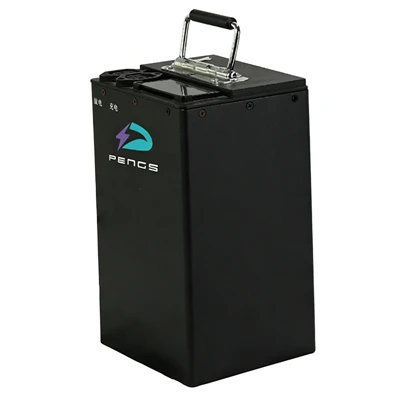
Once the charge controller cleans up the power, it sends it to the home storage battery. These aren’t your old car batteries, by the way—we’re talking about lithium-ion batteries, the same kind that power electric cars and phones, but sized for homes. A typical home battery for a wind turbine setup is between 10 and 20 kilowatt-hours (kWh) of capacity, which is enough to power a small home’s essentials (lights, fridge, Wi-Fi, heater) for one or two days without any wind. When the turbine is producing more power than the home is using (like overnight, when no one is running the dishwasher or TV), all that extra power gets stored in the battery. When the home is using more power than the turbine is making (that quiet morning I mentioned earlier, or a cloudy day when the wind is still but everyone is inside), the battery releases that stored power back into the system.
But remember, the battery stores DC power, and homes need AC power. That’s where the inverter comes in, the third key piece of the puzzle. The inverter takes the DC power from the battery and turns it into AC power that works with your home’s outlets. It also works the other way, too: if your turbine or battery produces extra AC power (like a really windy day when you’re at work all day), some inverters are grid-tied, meaning they can send that extra power back to the local utility grid and earn you credit on your power bill. That’s a huge perk for customers—my neighbor in Ohio has a setup like this, and he tells me his power bill is usually less than $20 a month, just for that credit.
Now, let’s talk about why pairing these two technologies is so much better than either one alone. Wind turbines are a clean, renewable energy source, but they’re intermittent—they only produce power when the wind blows. Home storage batteries fix that intermittency, turning wind energy that would otherwise go to waste into power you can use whenever you need it. If you live in a rural area where the grid is expensive or unreliable, this combo is a game-changer—you can even go fully off-grid, relying only on your turbine and battery for all your home’s power needs, no monthly grid bill at all. For people who live in areas with high utility rates, it’s a way to take control of your energy costs: charge the battery when power is cheap (or free, from your turbine) and use that power when rates are high, saving hundreds of dollars a year.
I’ve had customers come to me with a lot of misconceptions, too. One common one is that you need a huge, expensive turbine to make this work. That’s not true—for an average 2,000-square-foot home, a 1.5-kilowatt turbine is enough, and they cost around $3,000 to $5,000 installed, plus a home battery that runs between $7,000 and $12,000. When you add in tax credits—most countries offer 30% or more in tax incentives for renewable energy setups—this is actually more affordable than a lot of people think. Another misconception is that wind turbines are loud or ugly. Modern residential turbines are designed to be quiet—most make less noise than a refrigerator, and some are small enough to mount on your garage roof if you don’t have a lot of yard space.
Of course, no system is perfect, and there are a few things to keep in mind. If you live in an area with very little consistent wind (like a city with lots of tall buildings blocking wind flow), a wind turbine won’t produce enough power to make the setup worth it. That’s why I always work with customers to do a simple wind assessment first—most local weather services have data on average wind speeds in your area, and I can help you figure out if a turbine is a good fit for your home. Also, home batteries do have a lifespan—usually 10 to 15 years—though modern lithium-ion batteries are much longer-lasting than the old lead-acid batteries of 10 years ago, and most come with 10-year warranties.
As a home storage battery supplier, my whole job is to make this process as easy as possible for homeowners. I don’t just sell you a battery and send you on your way—I work with installers and turbine providers to make sure every piece of the system works together, I help customers navigate tax credits and rebates, and I offer 24/7 support if anything goes wrong. Last year, I had a customer in northern Minnesota who had a blizzard knock out the power grid for three days. His turbine and battery kept his fridge running, his heater going, and his kid’s laptop working for remote school. That’s why I do this—knowing that this technology isn’t just about saving money, it’s about giving people peace of mind when the grid fails, and reducing their carbon footprint every time they use clean wind power instead of fossil fuels.

If you’re curious about setting up a wind turbine paired with a home storage battery for your home, I’d love to talk through your options. Whether you want to cut your power bill, go off-grid, or just have backup power when the grid goes down, we can help you find a setup that fits your needs and your budget. Feel free to reach out to us to discuss your project, and we can connect you with trusted local installers and answer any questions you have about how the system works, what it costs, and how to get started.
Site Shuttle Car Battery References:
- US Department of Energy, "Small Wind Turbines for Homes", 2023
- International Energy Agency, "Home Energy Storage Systems: Technology Overview", 2022
- National Renewable Energy Laboratory, "Wind Energy and Energy Storage Integration for Residential Applications", 2021
- Energy Star, "Residential Wind Energy and Storage Best Practices", 2023
Zhuhai Greaton Electronic Technology Co., Ltd.
As one of the most professional home storage battery manufacturers and suppliers in China, we have world-leading production equipment and strong manufacturing capabilities. Please rest assured to wholesale advanced home storage battery in stock here from our factory. Customized orders are welcome.
Address: 2nd Floor, Building A3, No. 6, Liulu, Xinqing Science and Technology Industrial Park, Jing’an Town, Doumen District, Zhuhai City
E-mail: wangchen1@psbattery.cn
WebSite: https://www.cngreaton.com/
