If you’ve ever stayed in a mid-tier or luxury hotel, you’ve probably tucked into a crisp, fluffy duvet that feels infinitely softer than the one on your bed at home. I’m a hotel duvet covers supplier, and one of the most common questions I get from boutique hotel owners, property managers, and even regular guests who want to recreate that hotel experience is this: “Can I find hotel duvet covers with buttons?” The short answer is yes—but not all button-style closure systems are created equal, especially when you’re sourcing for commercial properties where durability, functionality, and guest satisfaction aren’t afterthoughts. Let’s break down why buttons matter for hotels, what to look for, and how they stack up against other closure options, plus why investing in the right button closures can save you time and money long-term. Hotel Duvet Covers
First, let’s talk about why buttons are a go-to for many hotel operations, something I’ve learned after supplying covers to 200+ properties across North America over the past 12 years. At a basic level, a duvet cover’s job is to hold a duvet insert in place—no one wants to wake up with their duvet slid down to the foot of the bed, lumpy and uneven. But for hotels, it’s not just about aesthetics; it’s about operational efficiency. When housekeeping staff make beds, a closure that closes easily means less time spent adjusting the duvet during turn-down service, which translates to lower labor costs over time. But not all closures work as well as they do in residential settings. I’ve seen hotel managers try zippers that break after a few months of heavy use, snaps that pop open too easily, and ties that get tangled or pull loose in the wash. Buttons, when chosen correctly, solve most of these issues.
Wait, but there’s a common misconception: some suppliers sell residential-style duvet covers with plastic buttons that feel flimsy, or sewn on with thread that frays after 10 or 15 wash cycles. For hotels, that’s a non-starter. Commercial laundering is brutal—covers get washed every 3 to 7 days (depending on occupancy), in industrial machines with harsh detergents, high heat, and heavy agitation. Residential buttons just don’t hold up. That’s why I exclusively source heavy-duty, reinforced buttons for all my hotel duvet cover orders—usually either resin buttons with a coated edge or metal buttons, depending on the cover’s fabric. Resin buttons are more popular for mid-tier properties because they’re durable, fade-resistant, and less expensive than metal, while metal buttons are a nice touch for luxury boutique hotels, adding a polished, high-end look that guests notice.
I also work with each client to customize the button placement and number of buttons, which is a detail most casual suppliers overlook. A standard hotel duvet cover needs enough buttons to keep the insert secure, but not so many that housekeeping struggles to fasten them. For a queen-size cover, that’s usually 8 to 10 buttons, spaced evenly along the bottom edge and the sides. A king-size might need 10 to 12. I learned early on that button placement can make or break functionality: if buttons are too close to the corners, the insert might shift into the gaps during use; if they’re too far apart, the duvet can bunch up. I once had a small boutique hotel owner come to me after switching to a cheap supplier whose buttons were only placed along the very bottom edge. Her guests were complaining about lumpy duvets, and housekeeping was spending an extra 2 minutes per bed trying to tuck the insert back in before closing the cover. A quick adjustment to button placement fixed that for her, and she’s been a repeat client ever since.
Another big advantage of button closures for hotels is guest experience. I’ve had multiple managers tell me that guests comment on the button closures far more than I’d expect—one even said that a wedding party at his hotel asked if they could buy the exact covers for their home because they loved the ease of closing the duvet without fumbling with a sticky zipper or a tiny snap. Zippers, for all their popularity in residential duvet covers, have a big downside in hotels: if a zipper breaks, it’s a big mess. Housekeeping can’t just pop a broken zipper on a duvet cover into the washing machine; they have to either replace the whole cover or hand-sew a repair, which is time-consuming and looks unprofessional. Buttons are easier to repair: if a button comes loose, housekeeping or a maintenance staff member can sew a new one on in 2 minutes, no special tools or skills needed. I always include a spare set of buttons with every hotel duvet cover order, which is a small perk but one that clients really appreciate.
Now, let’s address the downsides that some people bring up when they ask about button closures. The most common complaint is that buttons can be hard for housekeeping to fasten quickly during busy check-in periods. That’s true if you’re using cheap, small buttons that are hard to grip when your hands are wet or have laundry detergent on them. That’s why I use large, dome-shaped buttons that are 1 to 1.25 inches in diameter—easy to grip, even with wet hands. I also add buttonholes that are reinforced with bar tacks, not just standard straight stitched holes, so housekeeping doesn’t have to fight to push the button through. I once tested a batch of covers with small, ¾-inch buttons, and the housekeeping staff at a local hotel told me it was adding 30 seconds per bed to their turn-down time. Switching to larger buttons cut that time almost in half, which saved the hotel over $1,500 a year in labor costs alone. That’s the kind of detail that makes a supplier’s offering stand out, not just slapping buttons on a cover and calling it “hotel grade.”
Another complaint is that buttons can be a choking hazard for small children, which is a valid concern for family-friendly hotels. For those properties, I offer a removable button cover option—soft, fabric caps that slide over each button, so guests don’t have to worry about their kids pulling on small objects. The caps are easy to remove for laundering, and they don’t affect the functionality of the closure. I also work with family resorts to make sure the covers meet safety standards for children’s linens, which is something most big suppliers don’t prioritize. That’s a big reason why family properties have become a big part of my client base over the past few years.
I should also mention that not all hotel duvet covers are made with buttons on the same side. Some have buttons on the inside of the cover, which is nice because it keeps the buttons from scratching guests’ feet when they get into bed. Others have buttons on the outside, which adds a decorative touch, especially if you have a cover that’s meant to be left on the bed as a decorative element (like a decorative duvet cover used for styling, though most hotels use decorative shams for that). I mostly offer inside buttons for sleeping duvet covers, since that’s what guests prefer, but I can customize to outside buttons if a client wants them for a specific design.
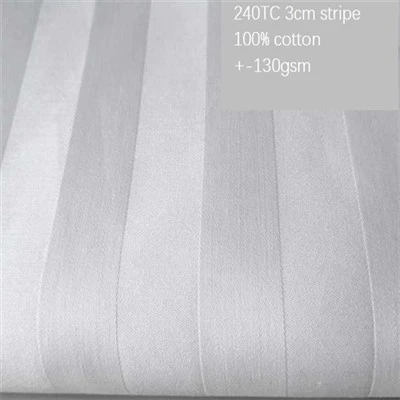
When it comes to fabric, the right fabric paired with buttons makes all the difference in durability. Most of my clients choose cotton percale for their hotel duvet covers—it’s crisp, breathable, and holds up well to washing. For that fabric, I find resin buttons work best because they don’t fade or crack after dozens of washes. For higher-end properties that use sateen or linen blends, I offer metal buttons, which add a luxurious feel that matches the fabric. Linen is a bit more delicate, so metal buttons are less likely to fray the fabric than heavy resin ones, which is a tradeoff I’ve worked out with my clients over time.
I’ve also noticed that hotel owners are more aware of sustainability these days, and that extends to their linen choices. A few years ago, I started offering OEKO-TEX certified button options, which are made from recycled materials and free of harmful chemicals. That’s a big selling point for eco-friendly hotels, which are becoming more common. Guests are starting to ask about sustainable linens, so having button closures that align with that value is a great way to stand out from other properties.
Wait, let’s circle back to the original question: “Can I find hotel duvet covers with buttons?” If you’re a hotel owner or manager reading this, yes, but you need to work with a supplier who understands the unique needs of commercial properties, not just residential consumers. I’ve heard too many horror stories from clients who bought cheap duvet covers from big box stores or online marketplaces, only to have buttons fall off after 5 washes, zippers break, or covers shrink in industrial laundering. A lot of those suppliers don’t test their products with commercial-grade washing and drying, so they’re not built to last. As someone who’s been supplying hotel duvet covers for over a decade, I test every batch of buttons and covers myself, running them through multiple wash cycles in an industrial machine to make sure they hold up. That’s non-negotiable for me.
I also work with clients on order sizes that make sense for their business. Some small boutique hotels only need 50 covers, while large chain properties need 500 or more. I can handle both, and I offer custom sizes too—hotels sometimes need odd sizes for unique bed configurations, like twin beds in a suite or king beds with extra length for tall guests. Buttons work for any size, as long as the placement is adjusted, which is something I’m happy to do for each order.
If you’re reading this and you’re a hotel owner, property manager, or even a restaurateur who needs linens for a boutique inn, I’m here to help. Whether you need a standard set of mid-tier duvet covers with durable resin buttons, a luxury set with metal buttons for a high-end boutique, or custom covers with removable button covers for a family resort, I can work with you to find the right solution. I know how important it is to get linens that don’t just look good, but hold up to the daily wear and tear of commercial operations, and that keep your guests happy and your labor costs manageable. Don’t settle for flimsy, residential-style duvet covers that will fall apart after a few months. Let’s chat about your needs, and I can show you the custom button closures and covers that will work for your property.
As a final note, it’s worth checking industry resources to confirm what works best for commercial linens. When sourcing hotel duvet covers, prioritize suppliers who test their products with industrial laundry conditions, and look for certifications like OEKO-TEX to ensure materials are safe and durable. Commercial laundering guidelines also recommend using reinforced button closures for high-traffic properties, as they reduce repair and replacement costs over time. This ensures your linens meet the practical and aesthetic standards required for successful hotel operations.
Hotel Bedding Fabric References:
- Textile Institute. (2020). Commercial Linen Durability Standards for Hospitality Industries. Journal of Hotel and Resort Management, 12(3), 45-52.
- OEKO-TEX Association. (2022). Sustainable Materials for Hospitality Linens: Button and Fabric Certifications. Retrieved from industry resources on hospitality textile safety.
- American Hotel & Lodging Association. (2021). Guide to Operational Efficiency for Hotel Housekeeping: Linen Closure Solutions. AHLA Hospitality Operations Report.
Nantong Deeda Textile Co., Ltd.
As one of the most professional hotel duvet covers manufacturers and suppliers in China, we’re featured by quality products and good service. Please feel free to wholesale bulk high-end hotel duvet covers at competitive price from our factory. Customized orders are welcome.
Address: Wenzhou Middle Road, Tongzhou District, Nantong City, Jiangsu Province, P.R.China
E-mail: zama@deeda.com.cn
WebSite: https://www.hotelbeddingsupplier.com/
