If you’ve ever worked in the poultry industry, avian veterinary clinic, or backyard chicken flock management, you know how critical fast, accurate diagnostics are for keeping flocks healthy. As a supplier of avian diagnostic kits, I’ve seen firsthand how the quality and type of samples you collect can make or break a test result—too many times, clients bring in samples that are incomplete, mishandled, or just plain wrong, leading to delayed care, unnecessary culls, or even preventable outbreaks. That’s why today, I’m breaking down exactly what samples you need for the most common avian diagnostic tests, so you can get reliable results the first time, every time. Avian Diagnostic Kits
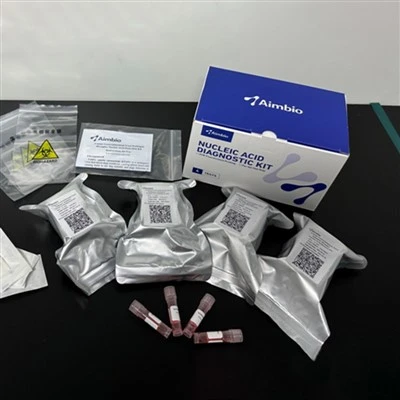
First, let’s start with the basics: why sample selection matters more in avian diagnostics than in many other veterinary fields. Birds are highly susceptible to contagious diseases like avian influenza, Newcastle disease, infectious bronchitis, and Marek’s disease, which can spread through a flock in days. The wrong sample might miss the virus entirely—for example, testing a sick bird’s blood for a respiratory virus that’s replicating in its trachea—and lead to a false negative, which lets the disease spread unchecked. Conversely, a contaminated sample can lead to a false positive, forcing producers to cull healthy birds and lose thousands of dollars. So when you’re working with my diagnostic kits, paying close attention to sample type and collection is non-negotiable.
Let’s go through each test category and the samples required, with specific tips I’ve picked up from years of talking to poultry producers and vets. I’ve organized this by the most common diagnostic needs, since that’s what our clients reach for most.
Respiratory Disease Testing
Respiratory diseases are the bane of commercial poultry operations and backyard flocks alike. The top culprits here are infectious laryngotracheitis (ILT), Newcastle disease, avian infectious bronchitis (IB), and Mycoplasma gallisepticum (MG)—a chronic bacterial infection that hurts egg production. For these tests, the sample needs to come directly from the site of infection, because that’s where the pathogen lives during the acute phase.
For viral respiratory tests (like our real-time PCR kits for Newcastle and IB), the gold standard sample is a tracheal swab. But not just any swab: you need a sterile, fine-tipped cotton swab (not foam, which can trap the virus and reduce test sensitivity) and you have to collect it correctly. For commercial chickens, gently insert the swab ½ to 1 inch into the bird’s trachea, twirl it 3 times, and pull it out immediately—birds don’t tolerate this well, so you don’t want to linger. For turkeys, which have longer tracheas, you can go a little deeper, but still stop before the glottis to avoid injury. If the bird is very sick and can’t be handled easily, a choanal cleft swab (from the small opening at the back of the throat) works as a backup, but it’s less reliable than tracheal.
For Mycoplasma tests, which are bacterial, you have two good options: tracheal swabs as above, or serum. Mycoplasma lives in the respiratory tract, but antibody tests (which use serum) are often used for flock-wide surveillance, since you can test a blood sample without handling every bird individually. Just note: antibody tests won’t pick up an active infection in the first 7 to 10 days, so if you’re dealing with a sick bird, stick to a swab. We have clients who bring in serum that’s been sitting at room temperature for 2 days—don’t do that! For serum samples, you need to collect blood from the wing vein, let it clot for 30 minutes, spin it to separate the serum, and freeze it if you’re not testing within 24 hours. Room temperature storage can degrade antibodies, leading to false negatives.
Enteric Disease Testing
Enteric diseases, like coccidiosis, necrotic enteritis, and infectious bursal disease (IBD), wreak havoc on bird growth and feed conversion—costing the poultry industry billions each year. For these, the sample is fecal matter, but not just any feces.
First, for viral enteric pathogens like IBD or avian reovirus, you need fresh feces, not old litter. Litter can have environmental contaminants that interfere with our PCR kits, and the virus might have degraded if it’s been sitting in the barn for more than a few hours. The best way is to collect 5 to 10 individual fecal samples from sick or young birds (ages 2 to 6 weeks are most susceptible) and pool them into one sample—pooling works because it reduces the number of tests you need to run, and if any of the birds are infected, the pool will show a positive result. But never pool samples from dead birds, because their feces can have other pathogens that cross-contaminate.
For coccidiosis, which is caused by protozoan parasites, you have two samples: feces for oocyst testing, and intestinal scrapings if the bird is dead. Oocysts (the reproductive stage of coccidia) are shed in feces, so fresh feces will let you count how many oocysts are present to confirm an active infection. If the bird has died from coccidiosis, the best sample is the upper small intestine (jejunum), where the parasite replicates most heavily. You can scrape the lining of the intestine with a sterile swab and collect that, instead of sending the whole intestine (which is heavy and hard to ship). Pro tip: for any fecal sample, don’t add water or disinfectants—even a tiny drop of bleach can kill the protozoa or virus you’re testing for.
Disease Surveillance and Serology
Serology tests, which detect antibodies to pathogens, are used for two main things: checking if a flock has been exposed to a disease (like Marek’s disease, which is widespread but preventable with vaccines) or monitoring vaccine efficacy. For these, the required sample is serum, as I mentioned earlier, but there are a few key things to keep in mind.
First, for flock surveillance, you don’t need to test every bird. We recommend testing 10 to 15 birds for small flocks (under 100 birds) and 20 to 30 birds for commercial flocks (over 1,000 birds) to get a representative sample. If you only test 2 birds, you might miss a low-level infection. Also, the age of the bird matters: maternal antibodies can interfere with serology tests for the first 2 to 4 weeks of life, so if you’re testing chicks under 4 weeks old, wait until they’re older or use an antigen test instead. For example, our Marek’s disease serology kit works best on birds 6 weeks or older, because maternal antibodies have worn off by then.
Another common serology need is testing for avian influenza (AI), which is a reportable disease in most countries. For AI serology, you can also use oropharyngeal swabs (along with serum) if you’re looking for active infection, but serum is standard for surveillance. Just make sure to label every sample clearly with the bird’s age, breed, and flock number—bad labeling is the number one reason our clients get confused about their results.
Parasite and External Pathogen Testing
External parasites like mites, lice, and even ectoparasites like ticks can spread diseases and cause stress in birds. For these, the samples are a bit different. For mites, you can collect a few live mites from the bird’s feathers or the coop’s roost bars, and put them in a small vial with 70% ethanol to preserve them. If you’re testing for avian tick-borne diseases (like Borrelia, which causes avian borreliosis), you can collect ticks from the bird or the environment, but make sure you collect the whole tick—even a partial tick won’t have enough DNA for our PCR test.
For internal parasites, like tapeworms or roundworms, the sample is either feces (for egg counts) or the adult worms themselves if you find them in a dead bird. Fecal egg counts are great for monitoring the level of parasite load, and you can use fresh feces as I mentioned before—no need for anything else. If you find a worm in a bird’s droppings, collect it and send it in, because identifying the type of worm is key to choosing the right treatment.
Critical Handling Tips to Avoid Ruining Your Samples
Even if you collect the right sample, mishandling it can make your test results useless. Here are the rules I give to every client who orders our kits:
- Label everything: Write the bird’s ID, collection date, and flock number on every sample tube—no “generic bird” labels. If we get a sample without a label, we can’t process it reliably.
- Keep samples cold: Unless you’re testing immediately, store samples at 2 to 8°C (refrigerator temperature) for up to 24 hours, or freeze them at -20°C for longer storage. Never leave samples at room temperature for more than a day, especially viral or bacterial samples.
- Avoid contamination: Use sterile swabs and tubes, and don’t touch the swab tip with your hands. If you’re collecting multiple samples, change gloves between birds to prevent cross-contamination.
- Ship samples properly: If you’re sending samples to a lab (or using our in-house shipping services, which we offer to clients), use a cold pack to keep samples chilled, and ship them overnight. Don’t send samples via regular mail—they’ll take too long and spoil.
I’ve had clients bring in samples that were collected 3 days prior, sitting in a hot car, with no labeling, and it’s impossible to get a reliable result. That’s why we include a sample collection guide with every diagnostic kit we sell—if you don’t get that guide, just ask our team, we’ll send it right over.
Now, why does this matter for you as a buyer? Using the right samples means you can make decisions fast: if a test comes back positive for coccidiosis, you can add the correct anticoccidial to your feed immediately, instead of waiting for a retest and losing more birds. For commercial producers, this can mean thousands of dollars saved in production costs, and for backyard flock owners, it can mean keeping your birds healthy and even protecting other flocks in your area from contagious diseases.
If you’re not sure what sample you need for a specific test, or you have questions about collecting or handling samples, don’t guess. Reach out to our team—we’re not just a kit supplier, we’ve worked with vets and producers for over a decade, so we can help you troubleshoot. Whether you’re testing a small backyard flock of 10 chickens or a 10,000-bird commercial operation, we have the right samples and kits for you.
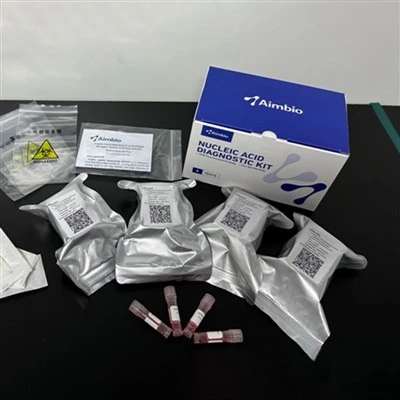
To get started or discuss your diagnostic needs in detail, feel free to connect with our team to navigate your sample requirements and kit options. We’re here to make avian diagnostics simple, so you can focus on keeping your birds healthy.
Veterinary Diagnostic Test Kits References
- Avian Disease Manual, American Association of Avian Pathologists
- USDA Guidelines for Avian Diagnostic Sample Collection and Handling
- “Sample Selection for Avian PCR Diagnostics”, Journal of Veterinary Diagnostic Investigation, 2021
- Serology Protocols for Avian Flock Surveillance, World Organization for Animal Health (OIE)
Hangzhou Aimbio Technology Co., Ltd.
Hangzhou Aimbio Technology Co., Ltd. is one of the most experienced avian diagnostic kits manufacturers and suppliers in China, featured by quality products and good price. We warmly welcome you to buy customized avian diagnostic kits made in China here from our factory. If you have any enquiry about quotation, please feel free to email us.
Address: Room 101, Building 2, No. 658 Bin’an Road, Binjiang District, Hangzhou, Zhejiang, China
E-mail: b2b@aim-bio.com
WebSite: https://www.aimbio-products.com/
