In the dynamic landscape of modern industries, the demand for efficient, reliable, and easily transportable electrical components is ever – increasing. As a supplier of flexible and pre – assembled cables, I’ve witnessed firsthand the pivotal role these cables play in various sectors, from automotive and aerospace to telecommunications and consumer electronics. One question that frequently arises in discussions with clients and partners is: Are flexible and pre – assembled cables easy to transport? In this blog, I’ll delve into this topic, exploring the unique characteristics of these cables that impact their transportability, the benefits they offer during transit, and some considerations for ensuring a smooth transportation process. Flexible & Pre-Assembled Cables
The Nature of Flexible and Pre – Assembled Cables
Flexible and pre – assembled cables stand out from traditional cables due to their distinct design and construction. Flexible cables are engineered to bend, twist, and flex without compromising their electrical performance. This is achieved through the use of high – quality conductors, such as copper or aluminum, which are often stranded to enhance flexibility. Additionally, the insulation and sheathing materials are carefully selected to be durable yet pliable, allowing the cable to withstand repeated movement.
Pre – assembled cables, on the other hand, come ready to use, with connectors and terminals already attached at the factory. This eliminates the need for on – site assembly, saving time and reducing the risk of installation errors. The combination of flexibility and pre – assembly makes these cables a popular choice for a wide range of applications, but how does it affect their transport?
Advantages of Transporting Flexible and Pre – Assembled Cables
Space Efficiency
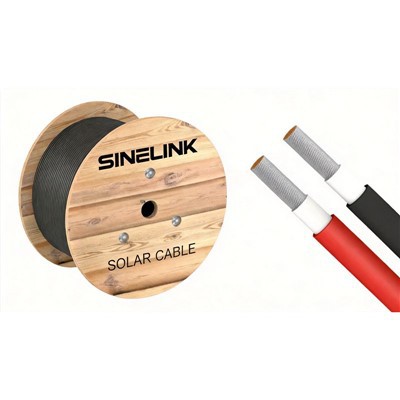
One of the most significant advantages of flexible cables is their ability to be coiled or bundled. Unlike rigid cables, which may require large, bulky containers to maintain their shape, flexible cables can be neatly wound into compact coils. This not only reduces the amount of space they occupy during transportation but also allows for more efficient use of storage facilities at both the supplier and the customer’s end. For example, a large spool of flexible cable can be stored in a relatively small area, making it easier to load and unload from trucks, ships, or airplanes.
Pre – assembled cables further enhance space efficiency. Since the connectors are already attached, there’s no need to transport additional components separately. This streamlines the packaging process and reduces the overall volume of the shipment. For instance, a set of pre – assembled cables for a complex electrical system can be neatly packed in a single box, rather than having to ship the cables and connectors in multiple packages.
Reduced Risk of Damage
The flexibility of these cables makes them more resistant to damage during transportation. Rigid cables are more prone to cracking, breaking, or kinking when subjected to vibrations, impacts, or rough handling. In contrast, flexible cables can absorb and distribute the forces exerted during transit, minimizing the risk of internal damage to the conductors or insulation.
Pre – assembled cables also benefit from reduced damage risk. The factory – installed connectors are securely attached, reducing the likelihood of loose connections or damage to the terminals during transportation. Moreover, the cables are often tested and inspected before leaving the factory, ensuring that they are in optimal condition before being shipped.
Ease of Handling
Flexible and pre – assembled cables are generally lighter and easier to handle compared to their rigid counterparts. This makes them more convenient for loading and unloading operations. Workers can easily maneuver the coiled or bundled cables, reducing the physical strain and the risk of workplace injuries. Additionally, the pre – assembled nature of the cables simplifies the unpacking and installation process at the destination, saving time and labor costs.
Compatibility with Different Modes of Transport
These cables can be transported via various modes, including road, rail, sea, and air. Their compact size and flexibility allow them to fit easily into different types of transportation containers, such as shipping pallets, crates, or even standard-sized boxes. Whether it’s a long – distance international shipment by sea or a short – haul delivery by truck, flexible and pre – assembled cables can adapt to the requirements of different transport modes.
Considerations for Transporting Flexible and Pre – Assembled Cables
While flexible and pre – assembled cables offer many advantages in terms of transportability, there are still some considerations to keep in mind to ensure a successful shipment.
Packaging
Proper packaging is crucial to protect the cables during transportation. The packaging should be designed to prevent moisture, dust, and physical damage. For example, cables can be wrapped in plastic film or placed in sealed bags to protect them from humidity. Shock – absorbing materials, such as foam or bubble wrap, can be used to cushion the cables and prevent them from being damaged by impacts. Additionally, the packaging should be labeled clearly with details such as the cable type, length, and quantity to facilitate easy identification.
Temperature and Humidity
Extreme temperatures and high humidity can have a negative impact on the performance and longevity of cables. During transportation, it’s important to ensure that the cables are stored in appropriate conditions. For long – distance shipments, especially those crossing different climate zones, climate – controlled containers may be necessary. This helps to maintain a stable environment and prevent the cables from being exposed to extreme heat, cold, or moisture.
Compliance with Regulations
Different countries and regions have specific regulations regarding the transportation of electrical cables. These regulations may cover aspects such as safety standards, labeling requirements, and import/export restrictions. As a supplier, it’s essential to ensure that the cables comply with all relevant regulations to avoid any delays or issues during transportation. This may involve obtaining the necessary certifications and documentation, such as product safety certificates and customs declarations.
Real – World Examples of Successful Cable Transport
To illustrate the ease of transporting flexible and pre – assembled cables, let’s look at some real – world examples.
Automotive Industry
In the automotive industry, flexible and pre – assembled cables are used extensively in vehicles for various applications, such as electrical wiring harnesses. These cables are often manufactured in one location and shipped to automotive assembly plants around the world. The flexibility of the cables allows them to be coiled and packed efficiently, reducing the shipping costs. Moreover, the pre – assembled nature of the cables ensures that they can be quickly installed in the vehicles, minimizing production downtime.
Telecommunications Industry
The telecommunications industry relies heavily on high – speed data cables. Flexible and pre – assembled fiber optic cables, for example, are commonly used to connect data centers and telecommunications networks. These cables can be transported in large quantities in a relatively small space. Their flexibility also allows them to be easily installed in tight spaces within the network infrastructure. The pre – assembled connectors ensure a reliable and efficient connection, reducing the time and effort required for installation.
Conclusion
In conclusion, flexible and pre – assembled cables are indeed easy to transport. Their unique characteristics, such as flexibility, space efficiency, reduced risk of damage, ease of handling, and compatibility with different modes of transport, make them an ideal choice for industries that require reliable electrical components to be delivered quickly and safely. However, to ensure a successful transportation process, it’s important to pay attention to packaging, temperature and humidity control, and compliance with regulations.
Solar DC Cable As a supplier of flexible and pre – assembled cables, I’m committed to providing high – quality products that are not only easy to transport but also meet the specific needs of our customers. If you’re in need of flexible and pre – assembled cables for your project, I invite you to contact me to discuss your requirements and explore how our products can fit into your supply chain. I look forward to engaging in a productive discussion and potentially establishing a long – term partnership with you.
References
- Boylestad, R. L., & Nashelsky, L. (2007). Electronic Devices and Circuit Theory. Pearson Prentice Hall.
- Grob, B. (2001). Basic Electronics. McGraw – Hill.
- Terman, F. E. (1955). Electronic and Radio Engineering. McGraw – Hill.
Tianjin Xilingke New Energy Technology Co., Ltd.
Address: Suite 2601, Tower B, Wanghai International, Haihe East Road, Hebei District, Tianjin, China.
E-mail: robin@sinelinkev.com
WebSite: https://www.sinelinkenergy.com/
