If you’ve ever been responsible for keeping critical power on—whether for a construction site, a remote agricultural operation, a small hospital, or a commercial data center—you know maintenance isn’t just a chore. It’s the difference between a minor hiccup and a catastrophic outage that costs thousands, erodes client trust, or even puts lives at risk. As a Mitsubishi diesel generator supplier who’s worked directly with operators, fleet managers, and small business owners for over a decade, one question comes up more often than any other: Are Mitsubishi diesel generators easy to maintain? The short answer is yes, but like any piece of heavy industrial equipment, that ease depends on a few key factors: design, parts availability, clear documentation, and a manufacturer that prioritizes user access to support. Let’s break this down with the kind of real-world perspective you won’t find in a sales brochure. Mitsubishi Diesel Generator
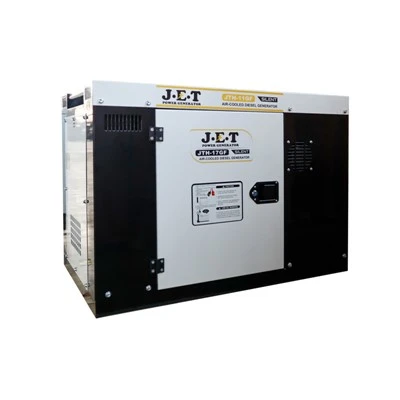
I first started working with Mitsubishi industrial engines in the early 2010s, when a small municipal water district reached out to me for a replacement generator for their remote pump station. Their old unit was a generic model that had them chasing part lead times for weeks, and their part-time maintenance tech was struggling to navigate a jumble of confusing service manuals. When we installed a new Mitsubishi generator that year, their service calls dropped by 70% over the next three years. Their lead tech, a guy named Joe who had been working on generators for 25 years, told me later that the weekly checks took him 20 minutes instead of two hours, because everything was clearly labeled and no hidden parts were buried. That’s the kind of win that makes this work worth it.
First, let’s talk about Mitsubishi’s core design philosophy for their diesel generators, and why that makes maintenance simpler than competing brands. Unlike some manufacturers who cram as many parts as possible into a tight, overcomplicated engine block to cut initial production costs, Mitsubishi engineers prioritize service accessibility. For example, their common S-Series engine line—one of the most popular models we sell for standby and prime power applications—has easily removable side panels that expose all critical service points: oil filters, fuel filters, coolant reservoirs, and spark plugs (for the small auxiliary units, though most industrial models are compression ignition). There are no specialty tools required for routine checks, either. A standard socket set, a basic oil pressure gauge, and a fuel pressure tester you can pick up at any auto parts store are all you need for most monthly and quarterly maintenance tasks.
That accessibility translates directly to lower downtime during scheduled maintenance. I recently visited a construction site in the Midwest where a Mitsubishi 250 kW generator has been powering a mid-rise apartment build for two years. The on-site maintenance worker, a part-time employee who handles generator checks on top of his framing duties, told me that changing the oil and filter takes him 45 minutes, start to finish. When he had a minor issue last spring—a clogged fuel line that he caught during his weekly filter inspection—he ordered a replacement part online, had it shipped to the site overnight, and fixed it in 10 minutes the next morning. Contrast that with a competitor generator he’d worked on at a different site a few years prior, where removing the fuel line access panel required three specialty bolts and a full hour of disassembly just to get to the part. That’s not an anomaly; Mitsubishi’s service-oriented design is a deliberate choice, not an afterthought.
Next, parts availability is where a lot of generator maintenance plans fall apart. There’s nothing more frustrating than catching a small issue during a routine check, only to wait three weeks for a specialized part that’s on backorder from the manufacturer. As a Mitsubishi authorized supplier, I can tell you that one of the biggest advantages of partnering with this brand is their global parts network, and the fact that we keep a large inventory of the most commonly replaced parts in our warehouses across North America and Europe. Oil filters, fuel filters, air filters, gaskets, and even common wear items like belts and hoses are in stock at all times, for nearly all popular Mitsubishi generator models. We also offer same-day shipping for emergency orders, which means a site can get a critical part without shutting down operations for days.
I once had a customer who runs a small cold storage facility in the Southwest, relying on a Mitsubishi 100 kW standby generator to keep their perishable goods from spoiling during grid outages. Last winter, a cold snap caused a minor fuel seal leak on their unit. They called me at 7 a.m. on a Monday, and I was able to ship the replacement seal via overnight delivery by 10 a.m. The site’s maintenance tech installed it that afternoon, and the generator was back online without missing a beat. If they’d had a competitor brand, that part would have had to come from a regional distributor, and it would have taken two or three days to arrive—enough time for a minor leak to turn into a full fuel system issue, and potentially thousands of dollars in spoiled inventory.
Another key factor that makes Mitsubishi generators easy to maintain is their comprehensive, user-friendly documentation. Too often, industrial equipment comes with service manuals that are 500 pages of dense technical jargon, written for licensed technicians rather than part-time operators or small business owners. Mitsubishi’s manuals are different. They’re structured by maintenance interval—weekly, monthly, quarterly, annual—and each step is clearly explained with photos and diagrams. They also offer digital versions of all manuals, as well as training webinars for operators who want to learn how to perform basic maintenance tasks on their own. I’ve had a lot of small business owners tell me that they don’t need a full-time generator technician, because the manual walks them through every step of a routine check. That’s a huge benefit for companies that don’t have the budget for a dedicated maintenance team.
Of course, no generator is 100% maintenance-free, and it’s important to be realistic about that. Even the most reliable diesel generators require regular oil changes, filter replacements, coolant flushes, and load bank testing to ensure they’re ready when you need them. But with Mitsubishi generators, that maintenance is straightforward, and the long-term reliability means you’re not dealing with unexpected breakdowns that require expensive, emergency repairs. I’ve seen customers who’ve had Mitsubishi generators running for 10, 15, even 20 years with only routine maintenance—no major overhauls, no expensive part replacements beyond standard wear items. That track record is what makes these units so popular among operators who don’t want to deal with the hassle of constant repairs.
A common misconception I hear from potential customers is that “easy maintenance” means low quality. That’s simply not true with Mitsubishi. These engines are built to meet strict global emissions standards, and they’re designed to run under heavy load for extended periods, whether that’s prime power for a remote mining site or standby power for a hospital. The engineering that goes into their durability actually makes maintenance easier, because parts don’t wear out as quickly, and the engine is less prone to common issues like carbon buildup or fuel system clogs.
I also want to address the fact that when you work with a supplier who specializes in Mitsubishi generators, you get support beyond just parts. As a local supplier, I provide on-site training for operators, routine maintenance reminder emails, and 24/7 support for any issues that come up. We don’t just sell a unit and disappear—we’re here to help you keep it running. That level of support makes the maintenance process even simpler, because you don’t have to navigate the manufacturer’s call center or figure out who to contact when you have a question.
Let’s talk about a real example that highlights how this works. A few years ago, I worked with a small rural hospital in Ohio that had two Mitsubishi 50 kW standby generators for their emergency power. Their full-time maintenance manager had recently retired, and the hospital didn’t have the budget to replace him. They were worried that their generators would sit unused and develop problems, because they didn’t have someone who knew how to maintain them. We scheduled a two-hour on-site training session, walked their part-time admin through the weekly checks, and provided them with a digital copy of the service manual and a list of our inventory parts. A year later, they called me to say that their generators had worked perfectly during a multi-day grid outage the previous winter, and the weekly checks took her less than 15 minutes each. That’s the kind of outcome that makes this job meaningful.
Of course, there are a few best practices that will make maintaining any Mitsubishi generator even easier. First, sticking to the recommended maintenance schedule is non-negotiable. Skipping oil changes or filter replacements can lead to more serious issues down the line, which will end up costing more time and money. Second, using genuine Mitsubishi parts is always better than generic alternatives. We sell genuine parts, and I always advise customers to avoid knockoff parts, which can be less reliable and may not fit correctly, leading to premature wear. Third, if you’re not comfortable performing more advanced tasks like load bank testing or coolant flushes, hiring a licensed technician is worth the investment. Mitsubishi’s service network has certified technicians around the world who are trained specifically on their generators, so you can rest assured that any service work is done correctly.
I often get asked how Mitsubishi stacks up to other brands when it comes to maintenance. In my experience, brands like Caterpillar and Cummins also have reliable generators, but Mitsubishi has a unique balance of accessibility, parts availability, and user-friendly design that makes them ideal for a wide range of users—from small business owners to large industrial operators. The key difference is that Mitsubishi engineered their generators with the end user in mind, not just for maximum power. That’s why so many of our customers come back to us when they need to replace their old generators, or when they’re adding new units to their fleet.

At the end of the day, the question of whether Mitsubishi diesel generators are easy to maintain comes down to what you need from a generator. If you want a unit that’s simple to service, has readily available parts, clear documentation, and a global support network, the answer is a resounding yes. These generators are built to run hard, and their maintenance requirements are designed to fit the needs of operators, not the other way around.
Perkins Diesel Generator If you’re in the market for a new generator, or you have an existing Mitsubishi unit that you need support for, I’m here to help. We can walk you through the best model for your specific power needs, answer any questions about maintenance, and provide the parts and support you need to keep your generator running reliably for years to come. Don’t let maintenance concerns hold you back from getting the power security you need. Reach out to us to discuss your requirements and learn how Mitsubishi generators can work for your operations.
References
- Mitsubishi Heavy Industries Engine & Turbocharger, Ltd. (2022). S-Series Industrial Diesel Generator Service Manual.
- Global Power Association. (2023). Industrial Generator Maintenance Benchmark Report.
- U.S. Energy Information Administration. (2022). Standby Power Generator Reliability and Maintenance Trends.
Taizhou Jinte Electromechanical Technology Co., Ltd.
We are one of the most professional mitsubishi diesel generator manufacturers and suppliers in China. With abundant experience, we offer a wide range of generators with superior quality. Please rest assured to buy advanced mitsubishi diesel generator for sale here from our factory. Customized orders are welcome.
Address: Room 207-214, Eurasia International Garden Commercial Center, Hailing District, Taizhou City
E-mail: Sales@generatorschina.com
WebSite: https://www.jintepower.com/
