Hey there, if you’ve ever wandered a home goods store, a boutique hotel lobby, or even a sleek office space and thought “that wall stuff looks way more intentional than just paint or drywall,” you’ve probably glanced at polyester wall fabric—and maybe didn’t even know it. I’ve been in the wall fabric game for over 10 years, dealing with architects, interior designers, homeowners, and even folks who just picked up a renovation on a whim, and one question I get all the time is: “What even is polyester wall fabric, and why is everyone losing their minds over it?” Let’s break this down like I chat with my best design clients—no stuffy jargon, no confusing glossaries, just real talk. Wall Fabric
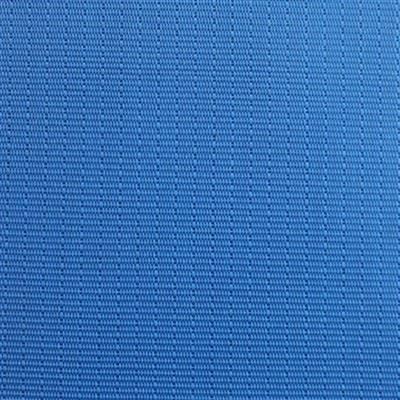
First off, let’s start with the basics you probably don’t need a chemistry degree to get. Polyester wall fabric is exactly what it sounds like: a wall-covering material made primarily from polyester, which is that synthetic fiber we all know from everything from workout gear to bed sheets, but engineered specifically to stick to walls (more on that later). Wait, I know what you’re thinking—“synthetic? But what about natural fabrics like cotton or linen wall fabric?” Yeah, those are cool, but polyester wall fabric has some perks that make it the go-to for most projects these days. Let’s get one thing straight right away: this isn’t the scratchy, plastic-y material you might have associated with old 80s upholstery. Modern polyester wall fabric is soft, smooth, and comes in every finish imaginable—matte, satin, even that subtle sheen that catches light just right without being gaudy.
How is it actually made? Let me keep this simple. Polyester itself is a polymer, right? It’s made from petroleum-based products, but don’t zone out on me—we’ve come a long way from the bad old days of cheap synthetics. Most of the polyester wall fabric I supply these days is either 100% polyester or blended with a tiny bit of other fibers (like nylon or rayon) to tweak the feel, but the core is that durable, stretchy polyester. The fabric is woven or knit into a tight, uniform weave—super important because if it’s too loose, it’ll bubble or tear when you hang it, and too tight, it won’t stretch enough to cover those wonky walls with bumps or uneven corners. Once it’s woven, it gets treated with a backing (more on that in a sec) so it sticks to the wall, and then printed or dyed with whatever pattern or color you want—solid neutrals, bold florals, geometric prints, even custom murals for a client’s kid’s space.
Wait, the backing! That’s the secret sauce no one talks about, right? Polyester wall fabric can’t just be a piece of cloth you press to a wall. It needs a specialized backing that’s usually a mix of acrylic, vinyl, or sometimes a woven non-woven material that gives it structure, stops it from stretching after it’s hung, and acts as a barrier against moisture. I’ve had customers come to me saying they tried hanging cheap polyester fabric from a discount store and it bubbled within a month—nine times out of ten, that’s because the backing was garbage. Good polyester wall fabric has a dimensional backing that’s consistent, so it goes on smoothly and stays that way for years.
Now let’s get to the good stuff—why do people choose polyester wall fabric over paint, wallpaper, or other wall coverings? I get this question all the time, and the answers are so practical, which is why it’s such a popular pick. First up: durability. I’ve had a client hang a polyester wall fabric in a busy family room with two toddlers and a golden retriever three years ago, and they still send me photos of it looking brand new. Polyester is way more resistant to scuffs, stains, and fading than regular paint. If a kid spills juice on it, you just wipe it off with a damp cloth—no repainting the whole wall, no scrubbing until the paint comes off. And it doesn’t fade in sunlight, unlike a lot of dyes used in wallpaper, so if you hang it in a south-facing room, it won’t turn dull after a year. That’s a huge win for spaces that get a lot of light.
Then there’s the fit. Let’s be real—most walls aren’t perfectly flat. There are dents from moving furniture, uneven corners from old houses, that weird bump where the old drywall wasn’t installed right. Polyester wall fabric is stretchy, but not too stretchy, so it molds to those little imperfections way better than wallpaper, which can crack or bubble if there’s any unevenness. I had an architect client working on a 100-year-old brownstone last year—all the walls were wonky, no two corners were the same. We used 100% polyester wall fabric with a flexible backing, and when the installers were done, you couldn’t tell the walls weren’t perfectly smooth. That’s a game-changer for old homes or spaces that don’t have new, perfectly finished drywall.
Maintenance? Super easy. Unlike vinyl wallpaper that can peel at the edges if you clean it too much, or fabric that stains instantly, polyester wall fabric is stain-resistant, mildew-resistant, and it’s washable. We even have a marine-grade polyester wall fabric for bathrooms and basements that’s moisture-proof, so no mold growing behind it if you have a leak. For rental properties, this is a lifesaver—tenants don’t have to stress about spilling coffee on a accent wall, and landlords don’t have to repaint or re-wallpaper every time a new person moves in.
Customization is another big one. A lot of my customers love polyester wall fabric because you can get literally any design you want printed on it. Want a wall covered in your kid’s favorite cartoon characters? Done. Need a custom color to match your brand’s logo for an office? We can dye the fabric to the exact Pantone code. Even large-scale murals—we’ve done everything from city skylines to abstract art for hotels, and it looks way more seamless than a vinyl mural because the fabric has a soft texture, not that plastic-y vinyl feel.
Wait, but let’s be honest, no product is perfect, right? I don’t want to sell you something that has flaws, because that’s how you end up with a bad experience. So what are the downsides of polyester wall fabric? First, it’s not breathable. If you live in a super humid climate, or you have a room that gets a lot of moisture (like a bathroom without a vent), you have to make sure the backing is breathable, otherwise trapped moisture can cause mold. That’s why we only sell polyester wall fabric with vapor-permeable backings for those spaces—no exceptions, because I’ve seen what mold does to walls, and it’s not pretty. Second, installation is key. If you try to hang it yourself without experience, it can bubble, wrinkle, or pull away from the wall. It’s not like peel-and-stick wallpaper that you can yank and reposition—once the adhesive backs are on, it’s there (though good installers can adjust if they get to it fast). That’s why I always tell customers to hire someone who’s worked with wall fabric before, not just someone who hangs regular wallpaper. Third, some people don’t like the feel of synthetic fabrics on walls—they prefer the soft, natural feel of linen or cotton, and that’s totally valid. Polyester has a smooth, consistent texture, not that organic, slightly uneven feel of natural fabrics, so if that’s what you’re after, this might not be the pick for you.
Let me also clear up a common myth: polyester wall fabric is cheap. Yeah, you can get cheap stuff, but the good quality polyester wall fabric that I supply is definitely an investment. But when you compare it to paint (which you have to redo every 3-5 years), wallpaper that peels or fades, or even redoing drywall to fix uneven walls, it actually works out to be cheaper in the long run. Most good polyester wall fabric has a lifespan of 10-15 years, which is way longer than paint or budget wallpaper.
Now, who is polyester wall fabric for? Honestly, almost everyone, depending on their project. Homeowners renovating their living rooms or bedrooms, architects designing commercial spaces (offices, hotels, restaurants), property managers updating rental buildings, even businesses branding their storefronts. I’ve sent fabric to a client who used it to cover an accent wall in her tiny studio apartment, and she said it made the space feel twice as big because it was seamless and didn’t have those ugly drywall seams. I’ve also done a 5-star hotel where every lobby wall was covered in a textured polyester wall fabric, and guests kept asking if it was linen because it felt so high-end.
Wait, let’s talk about texture, because that’s another thing I love about modern polyester wall fabric. It’s not just smooth—you can get it in woven textures, like tweed-like weaves, or even embossed patterns that look like leather or stone. No more boring flat walls! You can add depth and dimension to a space without spending a fortune on wood paneling or tile. For a cozy vibe, a matte, slightly nubby polyester wall fabric is perfect for a living room, and for a sleek, modern office, a satin-finish polyester gives it that professional, polished look.
Let me give you a real example to make this concrete. Last year, a client reached out to me for a small café she was opening in downtown. She wanted something that was durable enough to handle coffee spills, would look nice for Instagram (super important for small businesses), and would hold up to the foot traffic. We went with a 100% polyester wall fabric with a subtle geometric print, a slight sheen, and a stain-resistant backing. The install took a day, no mess, and 18 months later, she messages me saying it still looks brand new—she even had a customer spill a whole latte on it last week, wiped it up with a paper towel, and you can’t even tell it happened. That’s the kind of result that makes me love this material.
Another thing I should mention: sustainability. I know a lot of people are wary of polyester because it’s a petroleum-based synthetic. The good news is that a lot of polyester wall fabric these days is made from recycled plastic bottles. I’ve switched most of my inventory to recycled polyester polyester wall fabric over the last three years—each yard uses about 8 plastic bottles, which keeps them out of landfills. It’s the same quality as virgin polyester, so you don’t have to sacrifice durability or look to be eco-friendly. A lot of my design clients care about that, and it’s become a big selling point for a lot of my customers.
So to wrap this up, polyester wall fabric is a wall-covering material made from engineered polyester fibers, woven or knit into a tight, durable fabric with a specialized backing for easy installation and long-lasting performance. It’s way more than just a “plastic cloth on walls”—it’s a practical, customizable, low-maintenance option that works for almost any space, whether you’re updating a bedroom, designing a commercial office, or fixing up an old home’s wonky walls.
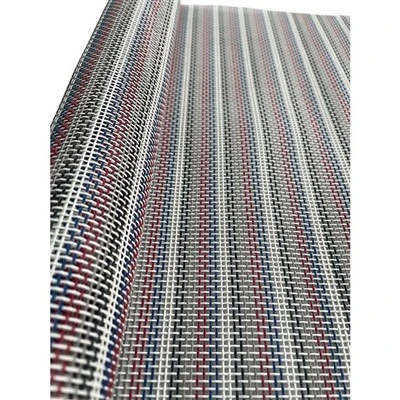
If you’re thinking about using polyester wall fabric for your next project, whether you’re a homeowner, a designer, or a business owner, I’m here to help. We can send you free samples so you can feel the texture, see the colors, and test how they work with your space. We work with all budgets, from small accent walls to full commercial projects, and we can even customize designs to fit your exact needs. No matter what you’re planning, don’t hesitate to reach out and chat—we can go over all the details, answer any questions, and help you figure out if polyester wall fabric is right for you.
Sun Shade Fabric References:
- “Polyester: The Versatile Fiber for Modern Interior Design,” Textile Institute, 2022.
- “Wall Covering Performance: Durability and Maintenance Guidelines,” Interior Designers Association, 2021.
- “Synthetic Fibers in Sustainable Interior Products,” Green Building Council, 2023.
Nanping Kingway New Material Co., Ltd.
As one of the most professional wall fabric manufacturers and suppliers in China, we also support customized service. With abundant experience, we warmly welcome you to wholesale durable wall fabric in stock here from our factory. If you have any enquiry about pricelist, please feel free to email us.
Address: No.10, Chengnan Branch Road, Chengjiao Town, Nanping, Fujian, China.
E-mail: npjwxcl@aliyun.com
WebSite: https://www.suernew.com/
