Alright, let’s talk about adjustable wire rope slings—something I get asked about all the time here at our shop, and honestly, they’re a total game-changer for anyone who works with lifting, moving heavy gear, or just trying to get a better grip on bulky stuff. If you’ve ever messed around with static slings that never seem to fit right, you know exactly why adjustable ones deserve way more hype than they get. Let’s break this down like we’re chatting over a coffee (no stuffy engineering jargon, promise). Wire Rope Slings
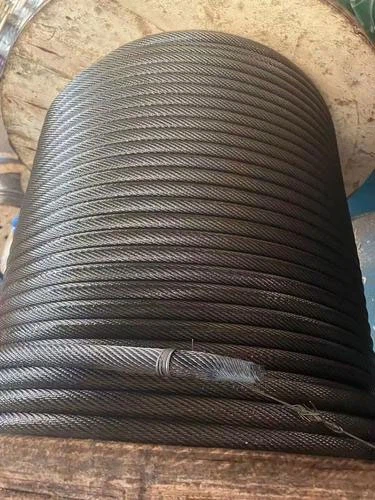
First off, let’s start with the basics: what even is an adjustable wire rope sling? At its core, it’s a lifting sling made from high-strength wire rope (same stuff as your standard wire rope slings, but with a built-in way to tweak its length on the fly—no extra tools needed, usually). Think of it like a adjustable hoodie string, but built for lifting 1,000+ pounds of steel, construction materials, or even heavy industrial machinery. The key here is that you don’t have to commit to a fixed length. Whether you need to shorten it for a tight load or lengthen it to reach over a stack of lumber, this sling adapts right there in the moment. No need to stock 5 different fixed-length slings for one job—adjustables cut down on clutter and save you cash, plain and simple.
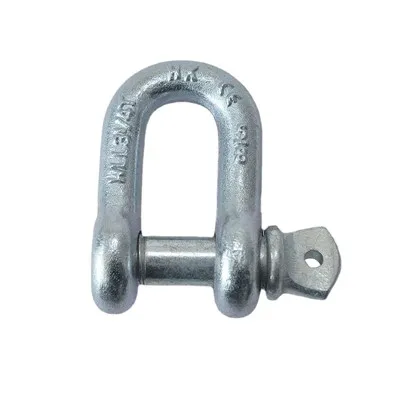
Wait, let’s get specific about how they’re built, because that’s where the science (and the utility) lives. Most adjustable wire rope slings use one of two main mechanisms, and we don’t play with cheap versions here. The first is a threaded wire rope adjuster—usually a heavy-duty metal barrel that grips the strands of the wire rope. You twist that barrel, and it either winds the rope up (shortening the sling) or lets it out (lengthening it). The second is a wire rope clip adjuster, but not the flimsy ones you’d use for a backyard fence—these are forged steel clips that lock the rope into place once you get the length right. Both designs are tested to hold way more than their labeled capacity, because when you’re lifting heavy, cutting corners isn’t an option.
Now, why would you actually use one over a regular wire rope sling? Let’s run through real-life scenarios, because that’s where this stuff matters. I had a regular customer last month, a construction foreman named Mike, who was hauling pre-cut steel beams for a new apartment complex. Each beam was 20 feet long, but some needed to be lifted at a 15-foot length to fit under a low overhang on the site, while others needed 22 feet to hang over a truck bed. If he used fixed slings, he would’ve had to grab two different slings, switch them out mid-lift, and risk dropping a beam because he was rushed. With an adjustable wire rope sling? He just twisted the adjuster on the job site in 10 seconds, got the exact length he needed, and moved on. No delays, no extra gear hauling around.
Another big use case: warehouses with irregularly shaped loads. Ever tried lifting a lumpy pallet of auto parts that’s sticking out on one side? A fixed-length sling will either be too tight (crushing the pallet) or too loose (the load tilts). Adjustable slings let you fine-tune each leg’s length (wait, right—most adjustable slings are multi-leg, so you can adjust each leg individually) to balance the load perfectly. We did a demo last quarter for a logistics company, and their team said they cut their load adjustment time by 70% just switching to adjustables. That’s hours saved every week—hours they can actually spend moving product, not messing with slings.
Let’s talk about durability, because I know a lot of guys out there think “adjustable” means “flimsy.” Nope. The adjustable slings we supply are made from 6×19 or 6×36 wire rope, the same grade as our heavy-duty fixed slings. 6×19 is stiffer, good for heavy loads and rough surfaces, while 6×36 is more flexible, better for loads that need a gentler grip. The adjuster parts are hot-dip galvanized, so they don’t rust out on job sites that get rained on or have concrete dust kicking around. We test every single sling before it leaves our shop—we put 2x its rated capacity on a test lift, hold it for 10 minutes, and check for any slippage or fraying. If it passes, it goes out. If not, we scrap it and make a new one. No cutting corners on safety here, ever.
Wait, let’s clear up a common myth: adjustable slings aren’t just for big, heavy loads. We supply smaller ones too—for lifting machinery in a workshop, moving heavy appliances for a moving company, even hauling large trees for landscaping. I sold a 1,000-pound capacity adjustable sling last week to a landscaper who was moving big oak saplings. He said before, he’d have to use a long fixed sling and tie knots to shorten it, which was a pain and could fray the rope at the knot. With our adjustable sling, he just tweaked the length to wrap around the tree trunk perfectly, no knots, no fraying, and the sapling stayed balanced the whole time.
Now, how do you actually use an adjustable wire rope sling safely? This is non-negotiable, because even the best sling will fail if you use it wrong. First, always check the sling before every use—look for frayed wires, kinks, or rust on the adjuster. If you see any damage, throw it away, no exceptions. Second, don’t adjust the sling while it’s under load. That’s a recipe for slipping and dropping something. Always lower the load to the ground, adjust the length, then lift again. Third, make sure the adjuster is locked in place once you set the length. Most of our adjusters have a lock pin or a threaded mechanism that you have to tighten firmly—give it a good tug after adjusting to make sure it doesn’t move. Fourth, don’t exceed the rated capacity. Just because it’s adjustable doesn’t mean it’s unbreakable. Each sling has a clear label with its max weight—stick to it.
A lot of people ask us about the difference between adjustable wire rope slings and adjustable synthetic slings. Synthetic ones are softer, good for delicate loads, but they stretch over time and get damaged by sharp edges. Wire rope slings? They’re way more durable for heavy, sharp, or abrasive loads—like steel, concrete, or scrap metal. If you’re lifting something that could cut a synthetic sling, adjustable wire rope is the way to go. We get calls all the time from guys who had a synthetic sling get sliced by a steel edge, and they switched to our adjustable wire rope slings and haven’t had a problem since.
Now, why buy from us? We’ve been in the wire rope sling business for over 15 years, so we know this stuff inside and out. We don’t sell cheap, imported garbage that breaks after a few uses. Every adjustable sling we carry is made with high-quality wire rope and tested twice before it hits our shelves. We also offer custom lengths if you need something specific, and we can help you pick the right capacity and adjuster type for your exact job. Like I said earlier, Mike the foreman came to us after buying a cheap adjustable sling from a big box store that slipped mid-lift. We showed him our tested models, and he’s been a repeat customer ever since.
Look, at the end of the day, adjustable wire rope slings aren’t just a “nice-to-have”—they’re a tool that makes your job easier, safer, and cheaper. You don’t have to carry a dozen different slings, you adjust on the fly for whatever load comes your way, and you get the durability of wire rope without the hassle of fixed lengths. If you’re tired of fighting with slings that never fit right, if you’re dealing with irregular loads or tight job site spaces, it’s time to make the switch.
We’ve got a huge selection of adjustable wire rope slings in stock right now, from small workshop sizes to heavy-duty industrial ones. Whether you’re a contractor, a warehouse manager, a landscaper, or anyone who works with heavy lifting, we can hook you up with the right sling for your needs. No pressure, no confusing sales talk—just straight talk about slings that work. If you’re ready to stop dealing with static slings and start using a tool that adapts to your job, reach out to us to talk through your requirements, get a quote, and order what you need.
You know how it is in this business—you need gear you can count on, no surprises. That’s exactly what we deliver with our adjustable wire rope slings. Don’t settle for less when it comes to lifting heavy stuff. Let’s chat, figure out the right sling for you, and get you back to work safely and efficiently.
Rotation Resistant Wire Rope References:
- Occupational Safety and Health Administration (OSHA). (2023). Slings – Wire Rope. U.S. Department of Labor.
- Wire Rope Technical Board. (2022). Wire Rope Sling Design and Application Guidelines.
- American Society of Mechanical Engineers (ASME). (2021). Standard for Wire Rope Slings (ASME B30.9).
Nantong Solite Rope Co., Ltd.
As one of the most professional wire rope slings manufacturers and suppliers in China, we’re featured by quality products and good price. Please rest assured to wholesale bulk wire rope slings in stock here and get free sample from our factory. Customized orders are welcome.
Address: Xitong Industrial Park, Zhangzhishan Town, Nantong City, Jiangsu Province.
E-mail: suolitewirerope@gmail.com
WebSite: https://www.solidropeglobals.com/
