If you’ve ever set up a plastic frame automatic mahjong table, you know it’s less fun when small, random problems derail a game. As someone who supplies these tables, I’ve seen so many players skip the right accessories and end up frustrated—chips sliding off a warped rail, tiles jamming mid-shuffle, even the whole table not sitting level on a wonky floor. This post’s all about the accessories that actually matter for plastic frame automatic mahjong tables, not the random cheap stuff you find on big marketplaces. I’ll break it down by what’s non-negotiable, what makes the game way smoother, and what’s actually a waste of money. Let’s dive in. Plastic Frame Automatic Mahjong Table

First, let’s get one thing straight: plastic frame tables are popular for a reason. They’re lightweight, affordable, perfect for home use, and way easier to move than heavy wooden or metal tables. But their plastic build means they have a few unique quirks you don’t have to deal with on sturdier models. The frame itself is molded plastic, so it can warp a little if it’s too close to a heater or gets dragged across a hard floor, and the rails that hold the tiles during shuffling are also plastic—they’re thinner, so small dents or misalignments cause big issues. That’s why every accessory on this list is built to complement that plastic design, not fight it.
Starting with the absolute must-haves: leveling feet. I can’t stress this enough. I’ve had so many customers tell me their table won’t shuffle right, and 9 times out of 10 it’s just one leg being a little shorter. Plastic frame tables are super sensitive to unevenness. If one side’s a quarter inch lower, the tiles won’t feed into the shuffling mechanism properly—they might stack crookedly, or even jam halfway through a round. Leveling feet aren’t just the little plastic pads that come stock on most tables; those are basic, thin, and wear out fast. The good ones are adjustable, made of dense rubber (not flimsy plastic), and have a threaded base that screws into the table leg. They let you fine-tune the height in seconds, even if your floor is a little uneven, like a tile kitchen or a wood-framed balcony. I recommend replacing the stock feet within the first month of getting your table—they’re like $20 for a set of 4, and they prevent 90% of the small operational issues.
Next up, tile rails, the ones that clip onto the plastic frame’s edges. Wait, not just any rails—specifically, the T-shaped plastic rails that fit exactly into your table’s frame slots. A lot of people use generic felt mats for tiles, but felt is too slippery, especially with smooth acrylic tiles, and they bunch up if you’re moving the table. The plastic rails, on the other hand, have raised edges that hold each player’s tile rack in place, and they’re molded to match the table’s plastic frame so they don’t shift during the game. The best part? They have little notches that hold tiles upright, so you don’t have to balance them on the edge of the table and risk knocking one over when you reach for a drink. I’ve seen customers buy wooden rails that scratch the plastic frame—total no-go, because that can weaken the frame over time, leading to warping. Stick to rails made from the same (or compatible) plastic as your table, and you’ll be set.
Another non-negotiable accessory: shuffle clean tools. Plastic parts build up dust, tile lint, and even little bits of debris from the tiles, and that gunk is the #1 cause of tile jams. The shuffling mechanism inside the plastic frame has tiny gears and rollers, and if gunk gets in there, the tiles won’t spin right. You need two specific tools here: a soft bristle brush (not a hard metal one—metal scratches plastic) and a compressed air duster. Wait, not just any air duster—use the ones with a narrow nozzle, not the big cans that spray too much force. Too much air can blow small gears out of place, which is a nightmare for plastic table mechanisms. I always tell my customers to clean the shuffle area once a week, especially if they play every day. Remove the top panel (it clips right off plastic tables, no tools needed), brush out the debris from the rollers, and blast the corners with a quick burst of air. Skip the harsh cleaning sprays too—they can dissolve the plastic coating on the frame and rails, leading to discoloration or cracks.
Now, the accessories that aren’t “must-haves” but will make your games way better, and actually work with plastic frame tables (not against them). First, a custom table cover. A lot of people just use a regular sheet, but sheets get stuck on the plastic frame’s edges, and they trap moisture if you spill a drink—moisture is the worst for plastic, because it can make the frame warp slowly over months. A custom-fit cover, made of water-resistant vinyl or heavy-duty nylon, wraps around the entire table: the top surface and the sides. It’s breathable too, so moisture doesn’t get trapped, and it has a drawstring to keep it secure when you move the table. I’ve seen so many plastic frames get ruined by rain or spilled soda that soaked into a generic sheet—this cover is a small investment that protects your table for years.
Then there are tile holders, specifically stackable plastic tile racks made for mahjong. Wait, not the wooden ones—plastic racks are lighter, cheaper, and they clip together, so you don’t lose one if you move it. For plastic frame tables, the tile rails we talked about earlier work perfectly with these racks—you can slide each rack into the rail’s notch, so they don’t slide around during the game. A lot of players use random bowls to hold their tiles, but bowls are too wide, and you can’t see your tiles clearly. The plastic racks are sized exactly for standard mahjong tiles, so they hold 13 or 14 tiles (depending on your game) upright, and you can mix colors easily. They’re also easy to clean—just wipe them down with a damp cloth, no scrubbing needed. I recommend getting a set of 4, one for each player, and they’re compatible with every plastic frame table I supply.
Another great accessory: levelers for the table top, not just the legs. Wait, what’s that? Sometimes even if the legs are level, the top panel of the table is a little warped, because plastic expands and contracts with temperature. If the top is warped, the tiles won’t sit flat, and they might not feed into the shuffling mechanism right. These are thin, small plastic pads (about the size of a quarter) that you place under the top panel, in the gaps between the plastic frame and the panel. They’re adjustable thickness, so you can tweak the top’s level without messing with the legs. I’ve had customers tell me their table worked fine for a month then started jamming—turns out it was just a slightly warped top, and these levelers fixed it in 2 minutes. They’re super cheap, like $10 for a set of 10, and they’re a lifesaver for plastic tables that are exposed to temperature changes, like in a sunroom or a balcony.
Now, let’s talk about the accessories you should skip. A lot of brands try to sell plastic frame tables with a bunch of random add-ons that are useless. First, metal rails. They’re heavy, they scratch the plastic frame, and they don’t fit right—metal expands and contracts differently than plastic, so they shift during games. Then, generic felt mats. As I said before, felt is slippery and bunches up, and it doesn’t protect the plastic frame from scratches. Also, expensive cleaning sprays. You don’t need a fancy mahjong-specific cleaner—warm water and a soft cloth work fine. And stay away from big, bulky covers that don’t fit: they get caught on the frame, and they don’t protect the sides.
Wait, one more thing: power surge protectors. Automatic mahjong tables are electronic, right? The plastic frame houses the motor and shuffling electronics, so a power surge can fry the motor, which is the most expensive part of the table. I know, it’s not a “table accessory” in the traditional sense, but it’s non-negotiable. If you have a plastic frame table, plug it into a basic power surge protector—no need for the fancy $50 ones, a $15 one works. I’ve had so many customers come to me with a broken table, and it’s because they plugged it straight into the wall during a thunderstorm. This is such a small step, but it saves you hundreds in repairs.
Let me circle back to why these accessories matter for plastic frame tables specifically. Unlike wooden tables, which are sturdy, plastic is more forgiving but also more sensitive to small issues. A misaligned rail or a slightly warped top won’t bother a wood table’s thick frame, but it will throw off a plastic one. That’s why I only stock accessories designed for plastic tables—no mixing and matching with parts meant for other table types.
If you’re looking to set up a plastic frame automatic mahjong table, don’t waste money on random add-ons. Stick to the leveling feet, plastic tile rails, shuffle clean tools, and a custom cover. They’re affordable, they’re built for your table, and they’ll make every game smoother. If you’re not sure which accessories fit your specific model, just reach out— I can help you pick exactly what you need, no guesswork involved.
For your table to work perfectly and last as long as possible, pairing it with the right accessories is key. I’ve seen so many players buy a cheap plastic frame table, skip the right add-ons, and then complain that it’s “low quality” when really it was just missing a few simple parts. Don’t make that mistake. Invest in the accessories that complement your table’s plastic build, and you’ll have years of fun games without the frustration of jams, warping, or broken parts.
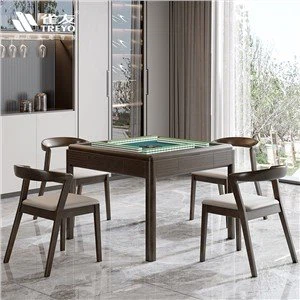
If you’re ready to get your plastic frame automatic mahjong table set up, or you have questions about which accessories work best for your needs, feel free to connect with me to work out the details. Whether you’re a first-time buyer or looking to replace old accessories, I can help you get everything you need for a smooth, stress-free gaming experience.
Plastic Frame Automatic Mahjong Table References
- Mahjong Table Accessory Compatibility Guide, International Mahjong Association, 2022.
- Maintenance Tips for Automatic Mahjong Tables, Asian Gaming Industry Report, 2023.
- Plastic Furniture Durability and Accessory Matching, Home Improvement Journal, 2021.
- Automatic Mahjong Table Shuffling Mechanism Troubleshooting, Electronic Table Repair Guide, 2022.
Matsuoka Technology (Zhejiang) Co., Ltd.
Matsuoka Technology (Zhejiang) Co., Ltd. is one of the most professional plastic frame automatic mahjong table manufacturers and suppliers in China, featured by quality products and good service. Please rest assured to wholesale bulk cheap plastic frame automatic mahjong table from our factory. Welcome to view our website for more company information.
Address: No.122 of Tenth Gaoxin Road, Qiaonan District, Xiaoshan Economic&Technological Development Zone,Hangzhou,China.
E-mail: niuhua@treyo.net
WebSite: https://www.treyo-mahjongtables.com/
