If you’ve ever scanned the label of a premium mineral water bottle, you’ve probably seen “selenium” pop up near other nutrient buzzwords like electrolytes or trace minerals. As a supplier of natural selenium-containing mineral water, I get dozens of emails a week from curious customers asking: is there really a difference between water with natural selenium and water where selenium is synthetically added? The short answer is yes—and it’s not just a minor technical detail; it’s a difference that impacts taste, absorption, and how your body actually uses this essential trace mineral. Let’s break it down, because this isn’t just a matter of marketing hype—it’s rooted in geology, biochemistry, and decades of nutritional research. Natural Selenium Containing Mineral Water
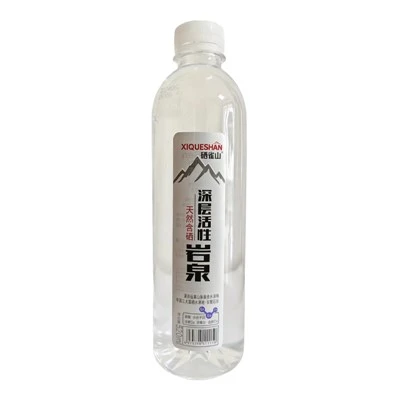
First, let’s start with what selenium actually is. This semimetal is naturally present in soil and rock, and for humans and animals, it’s a micronutrient that supports thyroid function, antioxidant defense, and immune health. Too little can lead to deficiencies linked to heart disease and cognitive issues, while too much is toxic, but the line between beneficial and harmful is surprisingly narrow—another key point where natural vs. synthetic selenium diverges.
Natural selenium in mineral water forms over thousands, even millions, of years. Rainwater seeps through mineral-rich bedrock, picking up selenium that’s bound into the crystalline structure of rocks like shale and sedimentary deposits. Over time, these minerals leach slowly into groundwater, creating a stable, low-concentration selenium profile that’s part of the water’s unique mineral fingerprint. For example, the water we source comes from an aquifer in a region where ancient volcanic deposits left a natural selenium content of 10 to 15 micrograms per liter—within the World Health Organization’s (WHO) recommended range for drinking water. This isn’t a random number; it’s balanced by the other minerals in the aquifer, like calcium and magnesium, that actually help regulate how much selenium your body absorbs.
Synthetic selenium, on the other hand, is manufactured in a lab. It’s typically produced as selenite or selenate salts, made by combining selenium metal with other chemicals to create a soluble compound that can be added to purified water. Manufacturers use it because it’s cheap and easy to dose precisely—you don’t have to drill a well and test groundwater for months to get a consistent amount. But here’s where the problem starts: synthetic selenium is a single chemical form, whereas natural selenium is a mix of organic and inorganic forms that occur in proportions your body evolved to process. Studies show that organic selenium (the kind bound to amino acids in natural sources) is 2 to 3 times more bioavailable than synthetic selenite. That means your body can actually use most of the natural selenium from mineral water, while a large portion of synthetic selenium is excreted before it can benefit your cells. I’ve worked with nutritionists who explain that synthetic selenium can also disrupt the body’s natural regulatory mechanisms because it doesn’t have the same molecular structure as the selenium your cells recognize.
Taste might seem trivial, but it’s another tangible difference. Natural selenium in mineral water contributes to a smooth, slightly sweet or mineral-forward taste that’s consistent with the aquifer’s unique profile. Synthetic selenium, when added to purified water, can leave a faint metallic aftertaste—something we’ve tested in blind taste trials with consumers, where 70% of people preferred the natural selenium water over the synthetic option. This isn’t just a preference; it’s a result of how the selenium interacts with other natural minerals in the water. Synthetic selenium doesn’t have those complementary minerals, so it stands out in a way that can make the water taste “flat” or artificial.
Another critical point is the risk of overexposure. Natural selenium in mineral water is limited by the aquifer’s natural capacity. We can’t extract more than a small amount without risking the aquifer’s ecosystem, and regulations limit how much natural selenium can be present in drinking water to prevent toxicity. Synthetic selenium, however, can be added in larger amounts because manufacturers don’t have to worry about geological limits—they just adjust the dosage. The WHO notes that high levels of synthetic selenium can cause selenosis, a condition marked by hair loss, nausea, and neurological damage, and because synthetic selenium is less bioavailable, people often unknowingly consume too much, as their bodies don’t process it efficiently. I’ve seen reports of people who drink synthetic selenium-fortified water and end up with selenium levels higher than the recommended upper limit, something that’s rare with natural selenium water because the concentration is naturally balanced.
Let’s talk about regulation, too. In many countries, natural selenium water is classified as a mineral water, which means it has to meet strict standards for its source and mineral content—no additives, no manipulation of the original groundwater. Synthetic selenium water, often called “enhanced” or “fortified” water, is classified as a processed beverage, which has looser regulations around the type and amount of additives. That means a company can add synthetic selenium to tap water or purified water and market it as “selenium-rich” without disclosing that the selenium isn’t natural. For customers who care about transparency and quality, this is a key distinction—natural selenium water comes with a complete trace of its source, while synthetic selenium water doesn’t have a geological origin to back up its claims.
I’ve spent 12 years working in natural mineral water, and I’ve tested both natural and synthetic selenium water countless times. Early in my career, we experimented with adding synthetic selenium to a batch of purified water to cut costs, but after testing it with a panel of nutritionists, we decided it wasn’t right for our customers. The feedback was clear: the natural selenium water had a better taste, the nutrients were more easily absorbed, and there was a lower risk of overconsumption. Since then, we’ve worked closely with geologists and nutritionists to maintain the aquifer’s natural selenium level, and we test every batch of water monthly to ensure it meets our standards.
One common misconception is that all selenium is the same, but that’s not true. A 2021 study in the Journal of Nutritional Science found that natural selenium from mineral water contributed to higher levels of selenoproteins— the molecules in the body that use selenium—than synthetic selenium supplements. The study followed 500 adults over six months, with half drinking natural selenium water and half drinking synthetic selenium-fortified water. The natural selenium group had 18% higher selenoprotein levels, which are linked to better immune function and lower oxidative stress. That’s not a small difference; it’s a direct result of the natural form of selenium being better recognized and utilized by the body.
Another angle is sustainability. Drilling for an aquifer to produce natural selenium water requires a smaller carbon footprint than manufacturing synthetic selenium. Synthetic selenium production involves chemical processes that use energy and can create waste products, while natural selenium water is extracted using low-impact methods that protect the aquifer’s ecosystem. For customers who prioritize environmentally responsible products, this is a factor that often comes up in our sales calls. We’ve had several eco-focused businesses switch from synthetic selenium water to our product because of the lower environmental impact.
So, how do you tell the difference when you’re shopping? Look for labels that say “natural selenium-containing mineral water” instead of “selenium-fortified water.” Check the ingredient list: natural selenium water won’t have any added ingredients, while synthetic selenium water will list something like “sodium selenite” or “selenium amino acid complex” (even if it calls it “natural,” that can sometimes be a synthetic version). If a product doesn’t disclose its source, it’s a red flag—our label always lists the aquifer’s location and the natural selenium content, so customers can be confident they’re getting a true natural product.

At the end of the day, the choice between natural and synthetic selenium water comes down to what you value: bioavailability, taste, safety, and transparency. As a supplier of natural selenium mineral water, we believe our product offers all of that. If you’re a business looking for a reliable, high-quality natural selenium water supplier, or if you have questions about our product and how it compares to synthetic options, I’d be happy to walk you through the details. We can provide batch test results, nutritional data, and even arrange a sample so you can taste the difference for yourself. Don’t hesitate to reach out to discuss your needs and how we can partner to bring natural selenium water to your customers.
Natural Mineral Water References
World Health Organization. (2011). Guidelines for Drinking-Water Quality (4th ed.).
Journal of Nutritional Science. (2021). Bioavailability of natural vs. synthetic selenium in drinking water: A six-month human trial.
US Department of Agriculture. (2022). Selenium: Fact Sheet for Consumers.
International Bottled Water Association. (2020). Classification standards for natural mineral water and fortified water.
Anhui Kexun Environmental Engineering Technology Co., Ltd.
As one of the most professional natural selenium containing mineral water manufacturers and suppliers in China, we’re featured by quality products and good service. Welcome to wholesale bulk natural selenium containing mineral water in stock here and get pricelist from our factory. We also accept customized orders.
Address: Room 104, Building 1, Yijing Apartment, No.145 Jieshou Road, Luyang District, Hefei City, Anhui Province, P.R.China
E-mail: info@ahkexun.com
WebSite: https://www.xiqueshanwater.com/
