When I get asked “Can WPC wall panels be repaired?” by a homeowner, contractor, or fellow industry peer, the answer isn’t a simple yes or no—though as a WPC wall panel supplier who’s worked with these materials for years, I can tell you that most small to medium damages? They’re totally fixable. For context, WPC stands for wood-plastic composite, a mix of wood fibers, plastic resin, and additives used to make panels that are water-resistant, low-maintenance, and popular for bathrooms, kitchens, and even outdoor covered patios. The material’s strength comes from that fused wood-plastic blend, but it’s not indestructible, so how you repair it depends entirely on what kind of damage you’re dealing with. WPC Wall Panel
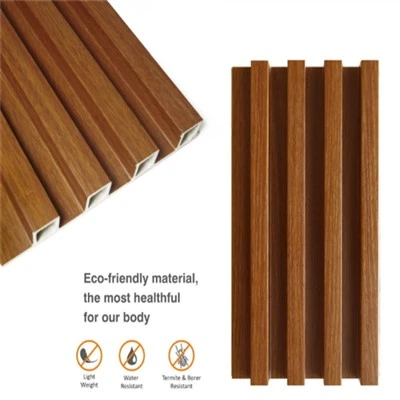
First, let’s break down the most common WPC panel damages I see in my day-to-day work, because you can’t fix a problem without knowing exactly what it is. Scratches and gouges are the number one issue—usually from moving furniture, DIY mistakes during installation, or even pets scratching near a baseboard. Then there are water-related spots: sometimes a spill from a leaky pipe or a pool hose gets trapped behind a panel, leaving a discolored patch that looks worse than it usually is structurally. Cracks are less common but do happen, especially in outdoor panels exposed to extreme temperature swings, or if a heavy object falls directly on a panel edge. And then there’s the rare case of a broken panel that might need more than a patch, but that’s for major damage, not everyday wear and tear.
Let’s start with the easiest repairs, since that’s what most people are dealing with. Scratches and light gouges. A lot of people think WPC can be sanded down like solid wood, and while you can, you have to be careful not to over-sand, because the plastic component will melt if you use too much power or too coarse a grit. What I recommend, and what I’ve had great results with for customers who come to me looking for tips, is first cleaning the scratched area with a mild detergent (no harsh chemicals, because they can break down the plastic in the WPC) and a soft cloth to remove any dirt or grime. For light surface scratches, a bit of WPC-specific furniture polish works perfectly—just apply it in a circular motion, let it sit for a few minutes, and buff it off. The polish fills in the tiny scratch gaps and matches the panel’s finish, which is way easier than trying to sand. For deeper gouges, you’ll want to use a WPC repair compound, which is a paste made to match the color and texture of WPC panels. You can get these from most hardware stores, or I keep a range of matched compounds on hand for my regular customers. To apply it, you just spread a thin layer over the gouge, smooth it level with the panel surface, let it cure for the recommended time (usually 24 hours, depending on temperature), then sand it lightly with a very fine grit sandpaper (220 grit) to blend it in, and buff with polish. I’ve used this method on panels that looked like they’d be ruined, and no one can tell there was a scratch there once it’s done.
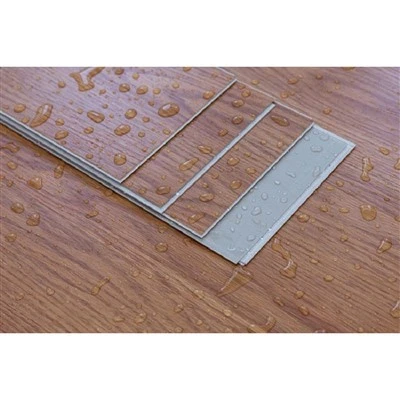
Next, water damage. This is a tricky one because WPC is water-resistant, not waterproof—if water sits against the back of a panel for days, it can seep into the wood fiber core and cause discoloration, or even a slight swell. The first step here is to fix the source of the water leak first—you can’t repair the panel if the leak is still going to cause more damage. Once the leak is fixed, you can address the discolored spot. For mild discoloration (no swelling or structural damage), the same mild detergent and soft cloth works, but if it’s a darker stain, a paste made of baking soda and water is gentle enough to scrub the spot without harming the WPC. Just make sure you rinse thoroughly and dry the area completely, because standing water left on the panel can cause mildew. If the discoloration is from trapped moisture that made a small section swell, you can sometimes sand the swollen area lightly to flatten it, then use a thin layer of the WPC repair compound to cover the sanded spot. If the swelling is really bad, though, that usually means the panel is beyond repair, but that’s a rare case—most water damage I see is easy to fix.
Cracks are another common issue, especially for outdoor WPC panels. Small, hairline cracks (less than 1/8 inch wide) can be repaired with caulk made for WPC. Regular silicone caulk might work, but WPC-specific caulk is designed to flex with the material as temperatures change, so it won’t crack again in a month. You just clean the crack out with a dry cloth, load the caulk into a caulk gun, smooth it into the crack, then wipe off the excess with a damp cloth before it dries. For larger cracks (wider than 1/8 inch), you’ll want to use that same WPC repair compound, but mix it a bit thicker so it doesn’t shrink as it cures. Apply it into the crack, smooth it level, let it cure, then sand and buff just like a gouge. The key here is to make sure the crack is completely dry before you fill it—moisture trapped inside the crack will cause the repair to fail.
Now, I know some people wonder if you can repair WPC panels without replacing them, and the short answer is yes, for almost all common damages. But there are a few caveats. If the panel has structural damage—like a big break in the core, or severe swelling that makes the panel bow—then replacement is better, because a repair won’t hold up. Also, make sure you’re using materials made specifically for WPC, not regular wood or plastic repair products. Regular wood filler won’t bond with the plastic in WPC, so it will fall out. Regular silicone caulk can degrade over time when exposed to sunlight or moisture, which makes it useless for outdoor panels. That’s why as a WPC wall panel supplier, I always tell my customers to ask for WPC-specific repair products if they can, because they’re designed to work with the exact material their panels are made of.
A lot of my customers come to me nervous to try repairs themselves, thinking they have to hire a professional. For small scratches and cracks, though, this is totally a DIY job. I’ve shared these tips with homeowners, and many of them have told me they fixed their own panels without any help. For bigger jobs, like replacing a panel that’s beyond repair, I can help with that too—since I supply the panels, I can match the exact color and texture so the replacement blends in perfectly with the existing wall. That’s a big plus of working with a supplier who knows their product, because you don’t have to guess which panel will match.
I also want to address a common myth I hear all the time: that WPC panels are too delicate to repair. That’s not true at all. The wood-plastic blend is durable, and most of the time, damage is surface-level, not structural. I’ve seen panels that were accidentally dented with a hammer during installation, and we fixed them with a combination of heat (very low heat—like a hair dryer on low, held a few inches away, to gently warm the panel so the plastic softens a bit) and a soft cloth to press the dent back out. You have to be super careful with heat, because too much will melt the plastic, but done right, a small dent can be completely removed. That’s another trick I share with installers who work with my panels, because it saves them a lot of time and money on replacements.
Now, if you’re dealing with WPC wall panel damage right now, and you’re not sure how to approach it, the best first step is to reach out. Whether it’s a small scratch that you can’t fix on your own, or a bigger crack that needs more attention, I can help walk you through the repair process, or if replacement is needed, make sure you get the right panel to match your existing wall. As someone who’s been in the WPC wall panel business for years, I’ve seen every kind of repair, and I know exactly what works and what doesn’t. You don’t have to live with a damaged panel, and you don’t have to spend a fortune on a whole wall replacement for a small fix.
If you’re in the market for new WPC wall panels too, or you have ongoing repair questions, don’t hesitate to get in touch to discuss your needs. I’m here to help, whether you’re a homeowner looking to fix a single damaged panel, or a contractor working on a project that needs durable, easy-to-maintain WPC panels. We can talk through your specific situation, answer any questions you have about repairs or product selection, and find the right solution for your space.
Flexible Soft Stone References:
- Wood-Plastic Composites (WPC): Properties, Processing, and Applications, Elsevier, 2019.
- National Wood Flooring Association, "Maintenance and Repair of Engineered and Composite Wood Products", 2021.
- International Code Council, "Residential Building Code Requirements for Water-Resistant Wall Materials", 2022.
Linyi Wilson New Material Co., Ltd
With abundant experience, we are one of the most professional WPC wall panel manufacturers and suppliers in China. We warmly welcome you to wholesale premium WPC wall panel at competitive price from our factory. If you have any enquiry about cooperation, please feel free to email us.
Address: Room 913, 9th Floor, International Trade Service Center, No. 100 Lingong Road, Comprehensive Bonded Zone, Chaoyang Street, Yihe New District, Linyi City, Shandong PR, China
E-mail: postmaster@wilsonwallfloor.com
WebSite: https://www.dowellspcfloor.com/
