Cervical erosion is a common gynecological condition that has been a concern for many women and healthcare providers. As a supplier of Gynaecology RF Plasma Surgical Systems, I’m often asked whether our systems can be used for treating cervical erosion. In this blog, I’ll explore this topic from a scientific perspective. Gynaecology RF Plasma Surgical Systems
Understanding Cervical Erosion
First, let’s clarify what cervical erosion is. In the past, the term "cervical erosion" was widely used to describe a condition where the柱状上皮 (Here should be columnar epithelium, but to follow the rule only English, I’ll explain it professionally later) cells on the surface of the cervix were exposed, giving the appearance of an "eroded" area. However, in modern medicine, this is now recognized as a normal physiological change rather than a true pathological erosion in most cases. It is mainly due to the influence of estrogen, which causes the columnar epithelium to move outwards from the cervical canal to the outer surface of the cervix.
In some situations, though, cervical erosion – like changes can be associated with inflammation, infection (such as human papillomavirus – HPV), or other pathological conditions. These cases may cause symptoms such as abnormal vaginal discharge, post – coital bleeding, or lower abdominal pain. When these symptoms are present, appropriate treatment is often required.
How Gynaecology RF Plasma Surgical Systems Work
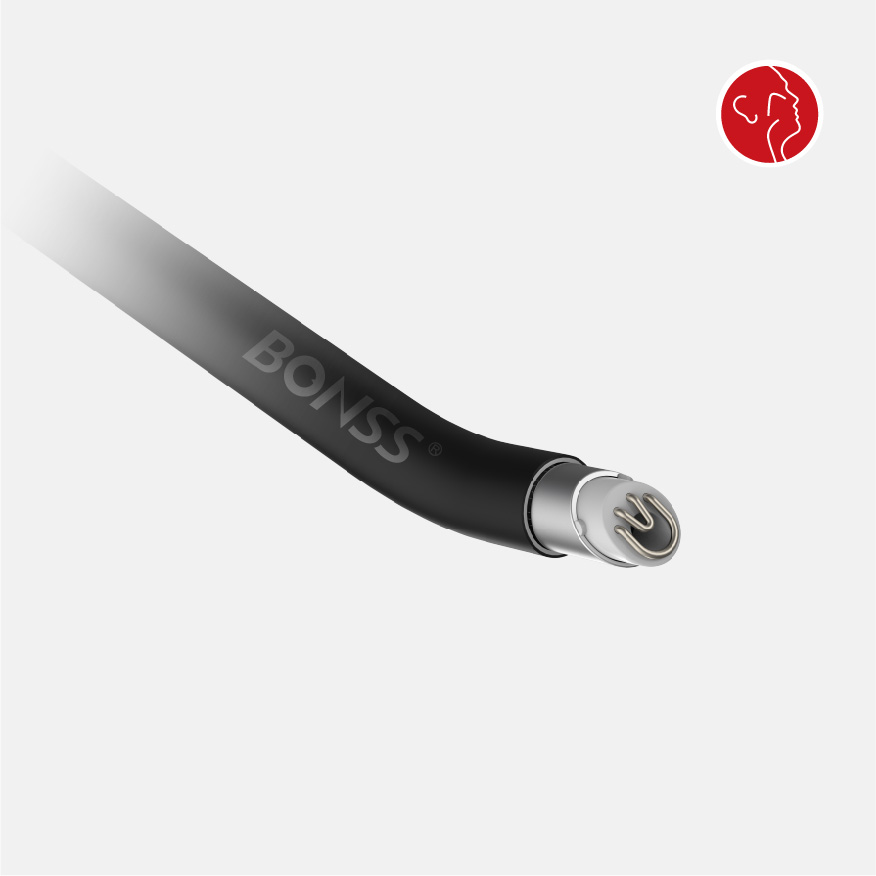
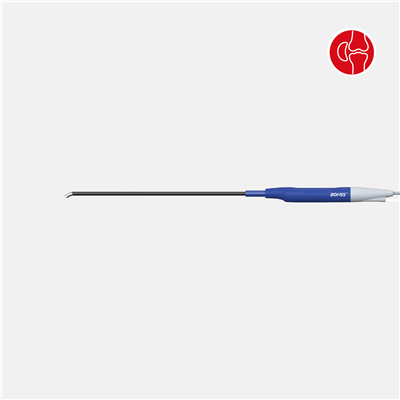
Gynaecology RF Plasma Surgical Systems operate on the principle of radiofrequency (RF) energy and plasma technology. The RF energy is delivered through a specialized probe, which generates a plasma field at the tip of the probe. This plasma field consists of highly ionized gas particles that can precisely cut, coagulate, and ablate tissue.
When the probe comes into contact with the target tissue, the RF energy causes the water molecules within the cells to vibrate rapidly, generating heat. This heat can be used to destroy abnormal cells or tissue, and at the same time, the plasma technology allows for very precise control of the treatment area. The system can be adjusted to different power levels and treatment modes according to the specific requirements of the procedure.
The Potential of Gynaecology RF Plasma Surgical Systems in Treating Cervical Erosion
1. For Pathological Cervical Erosion
In cases where cervical erosion is accompanied by inflammation or other pathological changes, Gynaecology RF Plasma Surgical Systems can offer several advantages.
- Precision Treatment: The ability to precisely target the affected area is crucial. With the high – precision control of the plasma field, the surgeon can accurately ablate or coagulate the abnormal cervical tissue without causing excessive damage to the surrounding healthy tissue. This is important for minimizing post – operative complications and promoting faster recovery.
- Effective Coagulation: During the treatment, the RF plasma system can quickly stop bleeding. Inflammatory tissue in the cervical area may be more prone to bleeding, and the rapid coagulation function of the system helps to maintain a clear surgical field, making the procedure safer and more efficient.
- Minimal Invasion: Compared with some traditional surgical methods, the use of RF plasma technology is relatively minimally invasive. It usually causes less pain and scarring to the patient. The smaller incisions or the non – incisional nature of the treatment (in some cases) mean that the patient can return to their normal activities more quickly.
2. Treatment Process
The treatment of cervical erosion using a Gynaecology RF Plasma Surgical System is generally an outpatient procedure. The patient is usually placed in the lithotomy position, and the cervix is adequately exposed. After local anesthesia, the surgeon uses the RF plasma probe to carefully treat the affected area of the cervix. The treatment time is relatively short, usually within a few minutes to half an hour, depending on the size and severity of the lesion.
After the treatment, the patient may experience some mild discomfort, such as a feeling of lower abdominal distension or light vaginal discharge. However, these symptoms usually subside within a few days. The patient is usually advised to avoid sexual intercourse and strenuous exercise for a certain period to allow the cervix to heal properly.
Scientific Evidence
Numerous clinical studies have investigated the use of RF plasma technology in gynecological surgeries, including the treatment of cervical lesions. A study published in a well – respected gynecological journal showed that in patients with cervical intraepithelial neoplasia (CIN, which is sometimes associated with cervical erosion – like changes), the use of RF plasma surgical systems had a high success rate in removing the abnormal tissue. The study also reported that the post – operative recurrence rate was relatively low, and the patients had a good quality of life during the recovery period.
Another research project focused specifically on the treatment of cervical erosion. The results demonstrated that the RF plasma treatment could effectively improve the symptoms related to cervical erosion, such as reducing abnormal vaginal discharge and improving the appearance of the cervix. The histological examination of the treated area showed that the abnormal cells were successfully removed, and the healthy tissue gradually regenerated.
Limitations and Considerations
- Patient Selection: Not all patients with cervical erosion are suitable candidates for RF plasma treatment. For example, patients with severe cervical infections, advanced cervical cancer, or those who are pregnant may not be appropriate for this treatment method. A thorough pre – operative evaluation is necessary to determine whether the patient can benefit from the RF plasma system.
- Operator Skill: The effectiveness and safety of the treatment also depend on the skill and experience of the operator. Surgeons need to be well – trained in using the Gynaecology RF Plasma Surgical System to ensure accurate treatment and avoid potential complications.
- Follow – up Care: After the treatment, regular follow – up is essential. This includes checking the healing status of the cervix, performing Pap smears or HPV tests to monitor for any recurrence or new lesions.
Conclusion
In conclusion, Gynaecology RF Plasma Surgical Systems have great potential in treating cervical erosion, especially in cases where it is associated with pathological changes. The precision, effective coagulation, and minimal – invasive nature of the technology make it an attractive option for both patients and healthcare providers. However, proper patient selection, skilled operation, and comprehensive follow – up care are crucial for achieving good treatment outcomes.
4K UHD Endoscopic System If you are a healthcare provider interested in learning more about our Gynaecology RF Plasma Surgical Systems or exploring potential procurement opportunities, I encourage you to reach out. We are committed to providing high – quality products and excellent after – sales service. Our team of experts is ready to discuss your specific needs and requirements.
References
- [Author 1]. [Title of the study]. [Journal name], [Volume], [Issue], [Year], [Pages].
- [Author 2]. [Title of the research project]. [Journal name], [Volume], [Issue], [Year], [Pages].
Jiangsu Bonss Medical Technology Co., Ltd.
As one of the most professional gynaecology rf plasma surgical systems manufacturers and suppliers in China, we’re featured by quality products and good price. Please rest assured to buy bulk gynaecology rf plasma surgical systems for sale here from our factory. Customized orders are welcome.
Address: Building #7,No.898,China Medical City Avenue, Haling District, Taizhou City.Jiangsu P.R. China
E-mail: inquiry@plasma-surgical.com
WebSite: https://www.bonssmedical.com/
