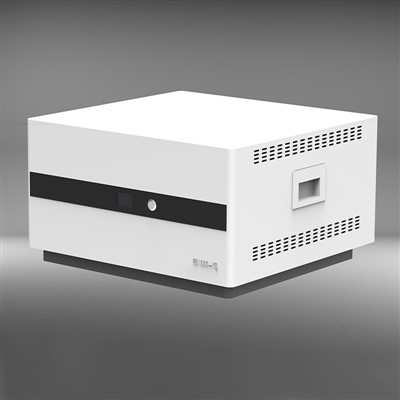
Hey there! I’m a supplier of Commercial and Industrial (C&I) Energy Storage Systems. Today, I wanna chat about the installation requirements for these systems. It’s super important to know these before taking the plunge, whether you’re a business owner looking to save on energy costs or an industry pro aiming for more reliable power. Commercial and Industrial Energy Storage System
Site Assessment
First off, a proper site assessment is a must. You gotta check out the physical location where you plan to install the energy storage system. The space needs to be big enough to house the equipment comfortably. You can’t just squeeze it into a tight corner and expect it to work well.
The ground or floor where the system will sit needs to be level and stable. Any uneven surface can cause problems over time, like stress on the equipment and potential safety hazards. Also, think about the surrounding environment. Is the area prone to flooding, extreme temperatures, or high humidity? These factors can really impact the performance and lifespan of the energy storage system.
For example, if you’re considering a coastal area, the saltwater in the air can corrode the equipment. In that case, you might need some extra protection like anti – corrosion coatings. Some systems work better in cooler temperatures, so if you’re in a hot climate, you’ll need to make sure there’s good ventilation or even use some cooling mechanisms.
Electrical Infrastructure
The existing electrical infrastructure of your business or industrial facility is another key factor. You need to make sure that it can handle the connection of the energy storage system. This means looking at the electrical capacity, voltage levels, and the available electrical connections.
Check the main electrical panel to see if it has enough space for the additional breakers required for the energy storage system. The system will draw power from the grid during charging and send power back during discharging, so the panel needs to be able to manage this two – way flow safely.
The voltage of the system must match the voltage of your facility’s electrical system. If there’s a mismatch, you’ll need transformers to step up or step down the voltage, which adds to the cost and complexity of the installation.
Also, pay attention to the power quality. The energy storage system can help improve power quality by providing stable power, but if the incoming power from the grid has issues like voltage sags or surges, it could affect the performance of the system. You may need some power conditioning equipment to deal with these problems.
Permits and Approvals
Don’t forget about the permits and approvals! Every area has its own set of rules and regulations when it comes to installing energy storage systems. You’ll likely need a building permit to ensure that the installation meets local building codes. This helps guarantee that the system is installed safely and won’t cause any problems for the surrounding structures.
There may also be electrical permits required. These are to make sure that the electrical connections are done correctly and meet safety standards. Sometimes, you might even need environmental permits, especially if the system uses certain types of batteries that could be harmful to the environment if not disposed of properly.
Getting these permits can take some time, so it’s a good idea to start the process early. You can work with local authorities or a permitting specialist to get through the paperwork as smoothly as possible.
Safety Considerations
Safety should always be a top priority. The energy storage system contains high – voltage components, so proper safety measures are essential. There should be clear warning signs around the installation area to let everyone know that there’s potentially dangerous equipment nearby.
The system needs to have proper grounding to prevent electrical shocks. Additionally, there should be emergency shut – off switches that are easily accessible. In case of an emergency, like a fire or a short – circuit, you want to be able to quickly cut off the power to the system.
Fire suppression systems are also important. Some batteries used in energy storage systems can pose a fire risk if they overheat or malfunction. Installing fire sprinklers or other fire – fighting equipment in the vicinity of the system can help prevent small problems from turning into big disasters.
Integration with Existing Systems
If your business already has other energy – related systems in place, like solar panels or a generator, the new energy storage system needs to integrate well with them. For example, if you have solar panels, the energy storage system should be able to store the excess energy generated during the day for use at night or during cloudy periods.
The integration process can be a bit tricky. You need to make sure that the control systems of all the different components can communicate with each other effectively. This might require some software upgrades or the installation of a new control system that can manage all the energy sources and the storage system in a coordinated way.
Maintenance Requirements
Before installing the energy storage system, you also need to think about maintenance. Just like any other piece of equipment, it needs regular check – ups and upkeep. The frequency of maintenance depends on the type of system and its usage.
You’ll need to have a plan in place for battery replacement. Batteries have a limited lifespan, and when they start to degrade, they’ll need to be swapped out. You should also schedule regular inspections of the electrical connections, cooling systems (if any), and control panels to make sure everything is working correctly.
Having trained technicians on hand or a maintenance contract with a reliable service provider is a good idea. This way, you can address any issues quickly and keep your energy storage system running smoothly.
Cost Considerations
Of course, cost is a big factor in any installation. There are the upfront costs of purchasing the energy storage system itself. This includes the batteries, the power conversion system, and any associated hardware. Then there are the installation costs, which can vary depending on the complexity of the installation and the site requirements.
You also need to consider the long – term costs, like maintenance, battery replacement, and the cost of electricity used to charge the system. However, it’s important to look at the potential savings as well. A well – installed and properly used energy storage system can help you save on electricity bills by reducing peak demand charges and taking advantage of off – peak electricity rates.
Conclusion

So, those are the main installation requirements for a Commercial and Industrial Energy Storage System. It might seem like a lot to take in, but with the right planning and preparation, the installation can go smoothly.
Energy Storage Lithium Battery If you’re interested in getting a C&I Energy Storage System for your business or industrial facility, I’m here to help. I’ve got the expertise and the high – quality products to meet your energy storage needs. Just get in touch for a free consultation and we can start talking about how to make it happen for you.
References
- "Energy Storage Handbook" by various industry experts
- Local building and electrical codes for installation regulations
- Manufacturer’s guidelines for specific energy storage system models
Shandong Yaoqian Energy Storage International Trade Co., Ltd.
We’re well-known as one of the leading commercial and industrial energy storage system manufacturers and suppliers in China, featured by quality products and good price. Please rest assured to buy customized commercial and industrial energy storage system made in China here from our factory.
Address: Lithium Battery Industrial Park, Xingcheng Street, Zaozhuang High-tech Zone, Shandong Province, China
E-mail: boss@yaoqiansmart.com
WebSite: https://www.yaoqiansmart.com/
