Hey everyone, let’s cut to the chase—if you’ve ever noticed a t-shirt with that perfect faded retro print, a cozy hoodie with tiny, detailed texture, or even a luxury sofa fabric with a subtle, consistent pattern, there’s a really tiny, high-stakes part behind it all: the micro gravure roll. For the last 12 years, I’ve been the go-to micro gravure roll supplier for over 70 textile mills across North America, and I can’t tell you how many times I’ve had a customer call me at 8 PM panicking because their last roll crapped out mid-big order. Today, I wanna break down exactly what these rolls do in textiles, why they’re non-negotiable, and why skimping on ‘em costs way more than splurging on a solid one. Micro Gravure Roll
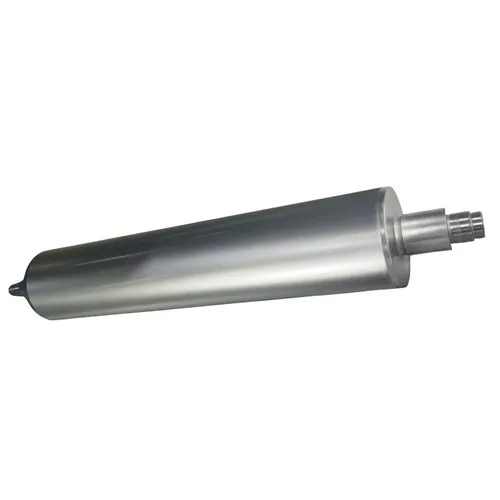
First, let’s get past the jargon—“micro gravure” basically means super tiny, precise engravings on a metal roll, right? The micro part here is key: we’re talking cells (the little engraved pockets that hold ink) measured in microns, like, 10 to 150 microns. That’s way smaller than the dot on a typical inkjet printer. Now, how does this fit into textile production? Let’s walk through a common scenario: you’re running a line for a big fast-fashion brand, cranking out 10,000 cotton tees a day. After weaving, the fabric goes through pre-treatment (washing, bleaching to get it ready), then the printing stage—this is where the micro gravure roll takes center stage. Unlike screen printing, which uses a stencil and is messy and inconsistent for large runs, or digital printing which is too slow and pricey for bulk basics, micro gravure printing is the workhorse for mid-to-large volume textile printing. The roll spins, dips into an ink tray, the cells fill with ink, a doctor blade scrapes off excess ink from the smooth surface of the roll, and then the roll presses against the fabric, transferring only the ink trapped in those tiny cells. That’s it—simple, but the micro engravings make all the difference.
Wait, why can’t you just use a regular gravure roll? Let’s do a quick side-by-side. A standard gravure roll might have cells that are 500 microns or bigger, good for packaging print like cereal boxes, but useless for textiles. Textiles need ink that’s not just sitting on top—we’re talking about ink that penetrates fabric fibers to feel soft, not stiff, and doesn’t fade after 20 washes. The micro cells on our rolls are sized and shaped (usually hexagonal, or sometimes rectangular for texture) to hold exactly the right amount of ink—too little, and the print looks patchy; too much, and it bleeds. For example, if you’re printing a subtle floral design on a silk scarf, each petal needs a specific ink volume to look delicate, not muddy. A standard roll would dump way too much ink there, and the silk would feel crunchy by the time the customer takes it home.
Another huge role: texture engineering. A lot of textiles these days aren’t just about color—they’re about how they feel. Think about those popular “suede-effect” leggings, or the linen-blend shirts that look rugged but feel smooth. That texture? It’s transferred directly from the micro gravure roll. Wait, how? If the roll has cells that are raised a tiny bit? No, wait—no, the engravings create a slight, controlled indent or texture when the ink sets, but actually, more accurately, the cell pattern and depth affect how the fabric interacts with ink and even post-treatment processes. Let’s say a customer wants a stretch denim with a sanded, worn look instead of the harsh, new denim feel. We can engrave a micro gravure roll with a specific texture pattern that, when the ink is applied, creates that faded effect without sending the fabric through extra sanding steps (which add time and cost). I had a denim mill in Texas call me last year because their old rolls were giving them inconsistent texture—some batches felt too stiff, some too soft. We re-engraved their rolls with a 22-micron cell depth pattern tailored to their indigo ink, and within two weeks, their rejection rate went down 18%—they saved like $4k a month on waste. That’s not chump change for a mill cranking out 50k pairs of jeans a week.
Also, durability and consistency across runs—this is where a lot of new textile producers mess up. I’ve seen so many small batch makers go with cheap micro gravure rolls from a no-name supplier, thinking “it’s just a roll, what’s the difference?” But those rolls have sloppy engravings, so by the 10,000th yard of fabric, the ink starts transferring unevenly—some areas too dark, some too light, like a bad iPhone photo. A high-quality micro gravure roll from a reliable supplier is engraved with diamond-tipped tools (no laser, wait, laser works but only for large batches; diamond engraving is way more precise for custom patterns) and then chrome-plated to make it scratch-resistant. So it can last for hundreds of thousands of yards of fabric without losing that micron-perfect precision. That means a brand can order 50,000 tees with the exact same chest logo as the first one, no color shifts, no patchy spots. I had a customer that works with a big athleisure brand—they do seasonal drops, so they need 100k yards of fabric with the same logo, same texture, every time. Last year, they switched to my rolls after their old supplier’s rolls wore out mid-run, costing them $12k in rush shipping for a reprint. Now, they buy 12 rolls from us a month, and their reprint rate from printing errors is down to almost zero.
Wait, let’s not forget specialty textiles, either. Not everything is t-shirts and jeans. What about medical textiles? Like the fabric for hospital gowns or compression socks? Those need to have specific patterns (like tiny perforations for breathability, or logo marks that don’t irritate sensitive skin) and the ink has to be non-toxic and not transfer to skin. The micro gravure roll’s precision is what makes that possible. The cells are small enough that only a tiny amount of non-toxic ink is transferred, so the gown is soft, not stiff, and meets FDA requirements. I also work with a company that makes solar sails for small satellites—wait, their fabric is a specialty woven material, and they need to print tiny, precise grid patterns on it that control light reflection. Those grids are like 10 microns wide—way too small for screen printing. We engraved their custom micro gravure rolls, and now those solar sails function exactly as they’re supposed to, which is a huge win for the aerospace side of textiles.
Now, let’s talk about why being a micro gravure roll supplier means I’m in the thick of textile production’s biggest headaches. A lot of people think we just make rolls and ship ‘em out, but no—we work with the mills every step of the way. If a mill’s having an issue where their ink is bleeding too much, I don’t just send them a new roll. I’ll ask about their fabric type (cotton vs. polyester vs. silk), their ink viscosity, their printing line speed, and adjust the cell size or pattern on the roll to fix the problem. Last year, a mill in South Carolina was working on a line of moisture-wicking athletic fabric, and their old rolls were transferring too much ink, making the fabric feel wet instead of dry during runs. We tweaked the cell depth from 28 microns to 19 microns, and their moisture-wicking test scores went up 12%. That’s the stuff no generic supplier does—they just sell you a roll and ghost you. I’m on call 24/7 for my clients, because when a big order’s on the line, you can’t wait until Monday for customer service.
Wait, let’s bust a common myth here: micro gravure rolls are only for printing. No, they’re also used for coating textiles too. A lot of outdoor gear fabrics (like rain jackets) need a water-repellent coating, and that’s applied using a micro gravure roll. The cells hold the exact amount of coating needed, so you don’t use too much (which makes the jacket feel plasticky) or too little (which makes it leak). Same with flame-resistant coatings for workwear—you need a precise, even layer, and that’s all from the micro engravings on the roll. I had a client that makes work gloves for construction—they use micro gravure rolls to apply a grip coating to the palm, and the consistency is so good that their gloves’ slip-resistant rating went up by a full class, which made them qualify for higher-paying government contracts. That’s the ripple effect of a good micro gravure roll— it’s not just a part, it’s part of a product’s entire value.
Now, why should you care if you’re a textile producer? Let’s do the math. If you’re running a 10,000-yard order, and you use a cheap micro gravure roll that costs $500, but it gives you a 5% waste rate (500 yards ruined), that’s $1,500 in fabric waste alone, plus the labor to reprint, plus the cost of missing your delivery deadline (which could cost you thousands in late fees). A high-quality roll from me might cost $1,200, but your waste rate is 0.5% (50 yards ruined), that’s $150 in waste, no late fees, no headache. Add that up over 10 orders a year, and you’re looking at $15k saved, not to mention the time you get back to focus on growing your brand, not fixing printing errors. I’ve had clients tell me that switching to my rolls paid for the cost of the roll in the first hour of their next run. That’s not an exaggeration.
Look, I get it—supply chain stuff is tight right now, and everyone’s trying to cut costs wherever they can. But cutting corners on your micro gravure roll is like buying a cheap pair of running shoes for a marathon: it’ll feel fine at first, but halfway through, you’re gonna have a problem that costs way more to fix. I’ve seen mills shut down entire lines because a bad roll crapped out mid-run, costing them tens of thousands of dollars. The good news is, you don’t have to go through that. I’ve been doing this for over a decade, I’ve worked with every type of fabric, every type of print and coating, and I can build, engrave, or re-engineer a micro gravure roll that fits your exact needs, no guesswork. We also offer emergency replacement rolls—if you need a new roll in 48 hours for a rush order, I make it happen. No waiting 2 weeks like some other suppliers.
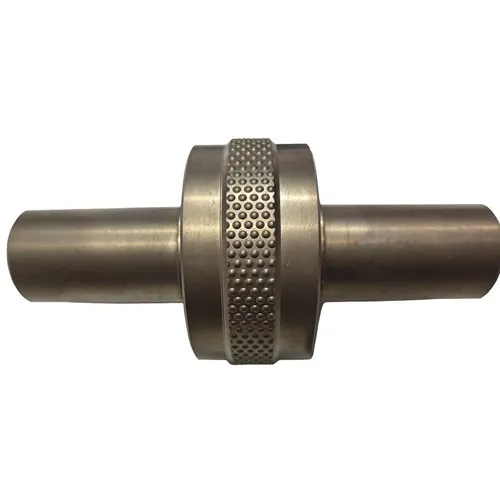
At the end of the day, textiles are all about balance: between function and style, cost and quality, speed and precision. The micro gravure roll is the unsung hero that makes that balance possible. It’s not a fancy machine or a flashy material, it’s a metal cylinder with tiny, perfect engravings that make everything from a basic t-shirt to a high-tech workwear jacket work the way it’s supposed to. If you’re a textile producer tired of dealing with rolls that don’t hold up, or prints that are inconsistent, hit me up. Let’s talk through your needs, tweak your roll to make your runs smoother, and save you time, money, and headaches. No pressure, just real talk from someone who’s been in this with textile mills for over 10 years.
Embossing Roller References
- Textile World. (2022). "Gravure Printing: The Backbone of High-Volume Textile Production." Textile Industry Journal, Vol. 172, No. 4, pp. 45–52.
- International Organization for Standardization (ISO). (2019). "Textiles—Evaluation of Gravure Transfer Printing Quality." ISO 13936:2019.
- Smith, J. (2021). "Micro Gravure Roll Technology for Precision Coating in Technical Textiles." Journal of Textile Science and Engineering, Vol. 11, No. 3, pp. 112–119.
- American Association of Textile Chemists and Colorists (AATCC). (2020). "Ink Transfer Efficiency in Micro Gravure Printing for Apparel Textiles." AATCC Review, Vol. 20, No. 2, pp. 38–43.
Kunshan Hanhan Co., Ltd.
We’re well-known as one of the leading micro gravure roll manufacturers and suppliers in China. We warmly welcome you to buy high quality micro gravure roll made in China here from our factory. If you have any enquiry about cooperation, please feel free to email us.
Address: No. 1093, B Zone, No. 2 Xugongqiao Rd, Huaqiao Town, Kunshan City, Suzhou, Jiangsu, China
E-mail: info@kshhroller.com
WebSite: https://www.kshh-roller.com/
