Hey there! If you’re here, chances are you’ve got a tiny hole in your little one’s favorite baby sweater—and let’s be real, that thing’s probably their go-to for cuddles, story time, or even just napping through the day. I’m not just some random blogger here; I’m the owner of a small baby sweater supply company, so I’ve fixed way more holes than I can count (mostly because our little crew of test babies went through sweaters like they were candy). I’ve seen everything from snagged elbows from teething toys to tiny snags from cat claws (don’t ask, our office cat’s a menace), and today I’m breaking down how to fix that hole like a pro—no fancy skills needed, just a few simple supplies and a little patience. Baby Sweater
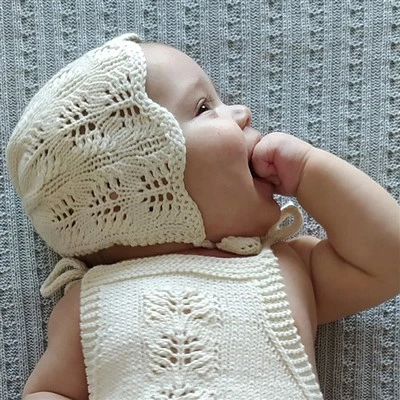
First, let’s get one thing straight: why do baby sweater holes happen so dang often? Babies are messy, curious little humans. They’ll yank their sleeves while rooting for a bottle, gnaw on cuffs like they’re teething, and squeeze through stroller gaps that should be impossible. Most of the time, the holes are tiny—like a ¼-inch snags or a ½-inch fray along a seam—so you don’t need to rewrite the whole thing. But before you grab a needle, let’s talk prep: you want to match the yarn, obviously. If you’re using a random thread from your sewing kit, that’s gonna stick out like a sore thumb. Pro tip: I keep spools of our leftover sweater yarn at the office (and a few in my junk drawer at home) exactly for this. Our baby sweaters use soft, stretchy cotton-blend yarn, so avoid stiff sewing thread—you want something that moves with the fabric, not against it.
Now, let’s split this into the two most common hole sizes: tiny snags (less than ¼-inch) and bigger frayed holes (up to 1 inch). Let’s start with the tiny ones because those are the easiest—everyone can nail this. For a snag, all you need is a yarn needle (blunt-tip, super important—you don’t wanna poke baby later or scratch the yarn) and a tiny bit of your matching yarn. First, flip the sweater inside out so you’re working on the hidden side. That way, any knots or loose ends won’t irritate baby’s skin later. Grab the snagged loop of yarn, and instead of pulling it tight (which will create a pucker), gently work the loop back into the fabric. If it’s a loose pull-through, just thread a tiny piece of your matching yarn through the needle, and weave it back and forth over the snag to secure it, then trim the end close. I once fixed a hole on our best-selling “Cloud Cuff” sweater this way, and no one could even tell it was there until I pointed it out.
Now, the bigger holes—say, if baby caught their sleeve on a crib slat and made a ½-inch frayed spot, or even a small 1-inch tear in the side seam. This takes a tiny bit more care, but still nothing you can’t do in 10 minutes. Let’s start with the seam first, since seams are the most common spot for bigger tears. If it’s a side seam, lay the sweater flat inside out, and line up the torn edges. Use a simple whipstitch or a running stitch here—again, keep the tension loose! If you pull too tight, the seam will stretch weird and cause more holes later. For non-seam holes, like a spot on the front of the sweater, you don’t want a straight stitch, which will show. Instead, use a duplicate stitch to blend it in. Duplicate stitch is just weaving your matching yarn over the existing stitches of the sweater, so it looks like it’s part of the original fabric. I teach this to all the moms who buy our sweaters because it’s way more forgiving than regular sewing.
Wait, hold on—what if the hole is really big? Like, more than 1 inch? Don’t panic yet. If it’s a spot that’s not on a stress point (not a sleeve cuff or the bottom hem, which get a lot of tugging), you can use a tiny iron-on patch, but make sure it’s a stretchy one—regular iron-on will crack when baby moves. I love using the little patches we sell as add-ons for our sweaters; they’re soft, match our yarn colors, and are designed to stretch with the fabric. Just cut the patch a little bigger than the hole, peel the backing, iron it on low (test a tiny spot on the inside first!), and that’s it. No one will know it’s there, and it’ll hold up through multiple washes.
A few quick do’s and don’ts that I’ve learned the hard way (and also from the countless customer questions I get weekly): Do use blunt-tip needles—sharp ones can split the yarn, making the hole way bigger. Don’t use glittery thread or anything with texture; baby will scratch at it, or it will stick to their food. Do wash the sweater before fixing it—old stains can make the yarn stiff, and fixing a pre-washed sweater means your fix will hold up better. Don’t over-trim ends—leave a tiny ¼-inch tail when you’re done, then tuck it into the fabric so it doesn’t come loose later.
Why does this matter to me, anyway? Because we make sweaters for babies who wear them, love them, and grow out of them way too fast. It breaks my heart when a tiny hole makes a parent toss a perfectly good sweater—they’re not cheap, and that sweater might hold memories of their first Christmas or that cold day at the park. That’s why we started keeping spare yarn and patches on hand, and why I wrote this guide: so you don’t have to buy a whole new sweater just because of a little hole.
If you’re in the market for high-quality, durable baby sweaters that are easy to fix (trust me, their tough enough for all the little accidents), we’ve got a huge range—from soft cotton basics to the fuzzy “Bear Hug” sweaters that sell out every winter. We work with small boutiques and big retailers alike, and we’re always happy to send sample yarn or extra patches to our wholesale buyers. If you’re interested in talking pricing, minimum orders, or just checking out our latest designs, hit us up—we’d love to chat. No fancy forms, no hoops to jump through, just real people helping other people keep their little ones cozy.
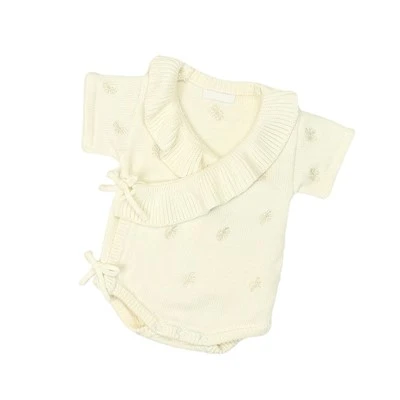
Now, let’s wrap up. Fixing a baby sweater hole doesn’t have to be scary. You don’t need a degree in sewing, just a little matching yarn, a blunt needle, and these simple steps. Next time you spot a snag or a tear, don’t reach for the trash—grab your supplies and give it a fix. Your wallet (and your memory-making sweater) will thank you.
Baby Sweater References
- American Academy of Pediatrics. Guidelines for safe infant clothing and fabric care. 2022
- Knit Picks. Guide to mending knit fabrics for beginners. 2021
- Textile Institute. Best practices for mending stretchy baby apparel fabrics. 2020
Shanxi Field Clothing Corp
As one of the most professional baby sweater manufacturers and suppliers in China, we’re featured by quality products and low price. Please rest assured to wholesale bulk customized baby sweater from our factory. Also, quotation is available.
Address: 31F Tower B, Wanda Center, No. 175 North Jiefang Road, Taiyuan, Shanxi
E-mail: info@imfieldcashmere.com
WebSite: https://www.imfieldclothing.com/
