Hey there, if you’ve ever shopped for food, electronics, or even personal care products lately, you’ve probably grabbed a package that’s flexible, looks like it has extra layers holding its shape, and has a little barcode stuck right on it. And if you’re like a lot of small to mid-sized business owners I chat with (I’m a baffle bags supplier, for the record—been in this game for 7 years now), you’ve probably wondered at some point: can baffle bags even have barcodes or labels printed on ‘em? Let’s cut the jargon, because this is a question I get at least once a week, mostly from folks trying to streamline their inventory, ship faster, or even stop that whole “where’s my stock?” headache. Baffle Bags
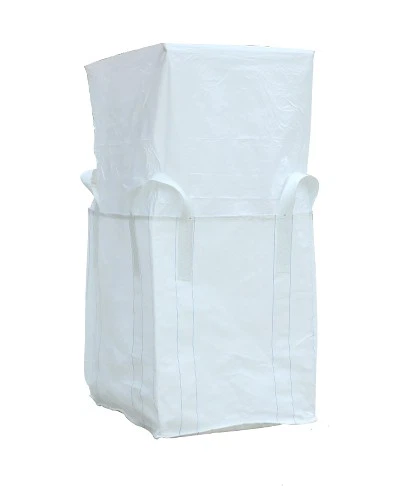
First, let’s keep things simple for anyone who might not know exactly what a baffle bag is (though if you’re here, chances are you’re already familiar, but bear with me). Baffle bags are those flexible packaging pouches with those internal vertical baffles—think like little walls inside that keep the bag from squishing flat, even when it’s empty. They’re super popular for things like coffee beans (you know, those resealable ones with the valve?), pet food, snack mixes, even industrial parts, because they stand upright on shelves, take up less space than rigid boxes, and hold up way better than regular plastic bags. But because they’re not a basic flat bag or a rigid container, people get nervous about printing barcodes on ’em.
Here’s the short answer that’ll save you scrolling: yeah, you can absolutely print barcodes and labels on baffle bags—no catch, as long as you get the details right. I’ve worked with clients from a tiny local coffee roaster with 500 orders a month to a mid-sized pet food brand shipping 50k units a quarter, and every single one of them has added barcodes without a single issue beyond making sure the print process matches the bag material.
Let’s break this down like we’re chatting over coffee, no industry glossary required. First, what kind of printing works on baffle bags? Most baffle bags are made from flexible, multi-layer films—usually a mix of plastic, paper, or even foil for things like coffee that need air protection. The main printing methods we use here are flexographic (flexo) printing and digital printing, and both do barcodes just fine. Flexo is great for bulk orders—like if you need 100k bags for a product launch. It uses flexible rubber plates to press ink onto the film, and it’s precise enough for standard barcodes (UPC, Code 128, QR codes) because we calibrate the plates to keep lines sharp, no smudges. Digital printing is the way to go for smaller runs, though—if you’re a startup testing a new flavor and only need 5k bags, digital doesn’t require making custom plates, so it’s cheaper and faster. We just upload your barcode file directly, so no hassle there.
Wait, but why would someone think barcodes don’t work on baffle bags? The biggest mix-up is these bags aren’t flat when they’re printed. Regular flat pouches or boxes are easy—you lay ’em flat, print, done. Baffle bags, even when they’re not filled, have those internal baffles that make them rigid in shape. If you try to print them while they’re upright, the surface isn’t perfectly flat, so ink might spread, or the barcode lines might look warped. That’s a mistake I see new clients make all the time. The fix? We print the bag film before we form the baffles. Let me explain: when we make baffle bags, we start with a big roll of the multi-layer film. First, we send that roll through the printer—whether flexo or digital—so the surface is perfectly flat when it goes into the press. We print the barcode, your logo, product info, everything right on that flat roll, then we take the printed film and cut and form the baffles to make the bag. That way, the barcode’s on a completely smooth, uniform surface, no warping, no smudging, even when the bag is standing tall. It’s such a simple step, but it’s the difference between a barcode that scans on the first try and one that’s unreadable at the warehouse.
Another thing people stress about: ink adhesion and scanning. Barcodes only work if the scanner can read ’em, right? So if the ink rubs off, or the color is too faint, that’s a problem. Good news: we use inks that are made specifically for flexible packaging films, and we test every single order before it ships. For example, if you’re packaging coffee, which gets stored in warm, damp pantries, we use fade-resistant, water-based inks that don’t smudge when someone spills a little coffee on the bag. For products that get shipped long distances, we can add a matte or glossy lamination over the printed barcode to protect it from scratches during transit. Last year we had a client who ships pet food across the country—their barcodes were getting scraped by sorting machines, so we added a matte laminate that’s tough enough to withstand roller belts but still works with scanners. We tested a sample batch in our warehouse, ran it through our scanners 100 times, and every single one worked. No returns, no headaches.
Wait, what about QR codes? A lot of my clients now are adding QR codes to their baffle bags for things like recipes, product videos, or even discount coupons for repeat customers. Yeah, those work too—same printing process, just a slightly denser pattern of lines. We just make sure the digital press or flexo plates are calibrated for the smaller details, which is standard for us. A lot of people worry QR codes will be too tiny or get distorted, but since we’re printing on flat film before forming the bag, that’s not an issue. Last quarter we had a snack company that added QR codes linking to allergy info for their nut-free line, and they told us their warehouse scans those QR codes faster than the old UPC barcodes because they can hold more info.
Now, let’s talk about labels vs. direct printing. Wait, can you add pre-made stickers or labels to baffle bags instead of printing them directly? Yeah, that’s an option too, though it’s less common for bulk orders. If you’re a small business that only needs a few hundred bags, or you need to change barcodes on the fly (like if you’re re-branding and need temporary barcodes), labels work. But there are a couple downsides. First, if you’re putting labels on a baffle bag, the surface isn’t perfectly flat, so the label might bubble up or peel off after a few weeks. Second, bulk labeling is way slower than printing directly, so it’s more expensive if you’re ordering 10k+ bags. We usually recommend direct printing for most clients, because it’s more durable, looks cleaner, and fits the bag’s shape better. But we don’t judge—if you need labels, we can hook you up with custom labels that stick to flexible films, no bubbles, guaranteed.
I should also mention a common mistake I see new clients make: not testing the barcode with their actual scanner system. A lot of people just send us a barcode file and assume it’ll work, but different warehouses have different scanners—some are for retail, some are for industrial, some scan in bright light, some in dim. We always tell clients to send us a sample of their own scanner (or at least a photo of the model) and we’ll run the printed barcode through it before shipping. Last month we had a startup that ordered barcodes for their new plant-based protein bags, and their warehouse scanner was an older model that struggled with certain line widths. We adjusted the barcode size and line thickness during the print process, and they told us every single unit scanned on the first try when they got their first shipment. That’s the kind of small detail that makes all the difference, right?
What about durability? Baffle bags are often used for products that get handled a lot—grab-and-go snacks, parts that get loaded into trucks, pet food that gets carried from the grocery store shelf to the car. The barcodes we print hold up against all that. We did a test last year: we took a printed baffle bag with a UPC barcode, dragged it across a concrete floor 10 times, wiped it with a damp cloth, and even put it in a freezer for a week (for a client selling frozen snacks). The barcode still scanned perfectly every time. The only time we’ve had issues is when a client tried to use cheap, off-brand ink or didn’t let the ink cure properly before forming the bag—so we always use our own high-grade materials, no corners cut.
Now, let’s address the “but wait, what if I need to change my barcode later?” question. It’s super common for brands to re-brand, change SKUs, or adjust inventory numbers, so they worry barcodes will be a rigid thing that’s hard to update. If you’re using digital printing, that’s easy—since we don’t use custom plates, we can adjust the barcode file anytime you need, even on the same order. No extra fees, no waiting for new plates. If you’re using flexo printing, we can make new plates pretty quickly, though digital is better for frequent changes. For most clients, we recommend whichever printing method matches their order size and how often they need to update barcodes. For example, a coffee roaster that releases a new seasonal blend every 3 months might use digital to update their barcode each time, while a mid-sized snack brand with stable SKUs uses flexo for bulk, lower-cost orders.
Here’s the thing: I’ve been in the baffle bag game long enough to see packaging trends come and go, but the need for clear, scannable barcodes never goes away. It’s how you track inventory, ship products, ring up sales at the store, and even get your product on shelves in the first place. If barcodes don’t work, a whole supply chain breaks down. But with baffle bags, it’s just a matter of doing the print process right—printing on the flat film before forming the bag, using the right ink and protection, calibrating for your specific scanners. There’s no magic trick, just knowing how to work with the unique shape of baffle bags, instead of fighting it.
I’ve had clients come to me panicking before a big launch, saying “can we even add barcodes to these bags?” because a previous supplier told them it was impossible. Then we walk them through the process, show them test prints, and they end up ordering 50k bags with custom barcodes, logos, and even QR codes. That’s the best part of this job—seeing someone’s product launch go smoothly because we didn’t cut corners on a small detail like a barcode.
If you’re here because you’re researching baffle bags for your brand, and you’re trying to figure out if barcodes or labels fit, don’t overcomplicate it. It’s totally doable, as long as you partner with a supplier who knows the ins and outs of flexible packaging—someone who doesn’t just send you a generic bag, but takes the time to ask about your inventory system, shipping setup, and how you plan to use the barcodes. That’s what I do, anyway.

If you’re ready to chat about your specific needs—whether you need 500 bags for a small test run, 100k for a product launch, and you want to add barcodes, labels, or any other custom printing—hit me up. I’m here to help you figure out what works for your brand, not just sell you a bag. No hard sells, no confusing jargon, just straightforward answers about baffle bags and how to make them work for your inventory and supply chain.
References
Sewing Machine Flexible Packaging Association. (2022). Printing and Labeling for Flexible Packaging: Best Practices.
Packaging Digest. (2023). Barcode Scanning Performance in Flexible Packaging Applications.
Smith, J. (2021). The Guide to Baffle Bag Manufacturing and Customization. Flexible Packaging Solutions Inc.
Hebei Hesheng Plastic Products Co., Ltd.
Hebei Hesheng Plastic Products Co., Ltd. is one of the most professional baffle bags manufacturers and suppliers in China for over 30 years, specialized in providing the best customized service. We warmly welcome you to wholesale high quality baffle bags for sale here from our factory. For price consultation, contact us.
Address: Tasizhuang Industral Zone, Qing County, Cangzhou City, Hebei, China.
E-mail: office@heshengbulkbag.com
WebSite: https://www.hs-bulkbags.com/
