If you’ve ever worked with electrical components, you’ve probably stumbled on silver alloy contacts at some point. They’re everywhere—inside circuit breakers, smart switches, car sensors, even those little ports on your laptop. And if you’ve used them for a while, you might have noticed a question that pops up more often than you think: do these things actually tarnish over time? As someone who’s been in the silver alloy contact materials game for years, I get this question nonstop—from hobbyists tinkering in their garages to engineers spec’ing parts for new industrial equipment. Let’s cut through the confusing tech jargon and break this down like we would over a coffee (or a quick Slack message, let’s be real). Silver Alloy Contact Materials
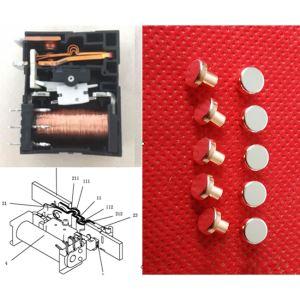
First off, let’s set the record straight: silver alloy contacts do tarnish, but it’s not the same kind of tarnish you see on a vintage silver tea set in your grandma’s china cabinet. That classic dark, corroded gunk on silver is silver sulfide, right? That’s from silver reacting with sulfur in the air, like from pollution or even rotten eggs. But electrical silver alloys aren’t pure silver—we mix in other metals for a reason, and that changes how tarnish forms (or doesn’t form, for that matter).
Wait, let’s back up for a second. Why use silver alloys for contacts in the first place? Pure silver is super conductive, way better than most metals, but it’s soft as a popsicle stick. If you just used pure silver contacts, they’d wear out way too fast from the tiny arcing sparks that happen when circuits turn on and off. So we alloy it with stuff like tin, copper, nickel, or even palladium, depending on the application. Each mix tweaks the conductivity, hardness, and corrosion resistance. And that mix directly impacts how (or if) tarnish shows up.
So what is contact tarnish, anyway? For electrical contacts, tarnish isn’t just an aesthetic nuisance—it’s a performance killer. The thin layer of corrosion that forms on the surface can raise electrical resistance, cause connections to weaken, or even lead to total failure. That’s a big deal, especially in things like automotive parts where a bad contact could leave you stranded, or medical devices where reliability is non-negotiable.
Now, let’s talk about why silver alloy contacts tarnish (or don’t). The main culprits here are two reactions: sulfidation and oxidation. Sulfidation is the big one for silver—silver reacts with hydrogen sulfide in the air, which is common in urban areas (from car exhaust, factories) or even indoor environments with things like carpet cleaning products, rubber, or adhesives that release sulfur. Oxidation is when metal reacts with oxygen, which forms that thin oxide layer. For most common silver alloys, oxidation is actually a good thing—wait, hear me out. Like, a thin, stable oxide layer on something like silver-tin or silver-copper contacts can act as a barrier, slowing down further corrosion. It’s only when that layer gets too thick, or mixes with other corrosive elements, that it becomes a problem.
But not all silver alloys are created equal. Let’s take a few examples to make this concrete. If you have a high-silver alloy, say 90% silver mixed with 10% copper, it’s super conductive, but it’s more prone to sulfidation than lower-silver mixes. Because there’s more pure silver present to react with that hydrogen sulfide. Then there are the specialty alloys—like silver-nickel or silver-palladium. Adding palladium, for example, is a game-changer when it comes to tarnish resistance. Palladium doesn’t react with sulfur, so it blocks that main tarnish reaction. We use those alloys for outdoor electrical equipment, where they’re exposed to high levels of pollution and humidity.
Another factor that no one talks about enough: environment. A contact sitting in a dry, climate-controlled office is going to tarnish way slower than one in a factory floor with high humidity, chemical fumes, or salt spray. I’ve had customers who ordered the same alloy for two different jobs—one for a thermostat in a Chicago office building, another for a farm irrigation pump in Iowa—and the farm ones developed noticeable tarnish in half the time. Humidity speeds up chemical reactions, salt is a corrosive beast, and even dust can trap moisture against the contact surface, making tarnish form faster.
Wait, but what about the myth that tarnish on contacts is always bad? That’s not true either. Like I said earlier, a micro-thin tarnish layer (like, nanometers thick) on a lot of silver alloys can actually be protective. The key is how that layer forms. When the alloy components react evenly to form a consistent, thin film, it stops further metal from being exposed to corrosive elements. The problem starts when the layer is uneven, or when sulfur gets trapped under it, leading to pitting corrosion. That pitting is what causes resistance spikes and connection failures. You might not see it with the naked eye, but it’s there, and it’s a big deal for high-precision applications.
Now, let’s get into something that surprises a lot of folks: how contact operation affects tarnish. Even if a contact is just sitting idle, it will tarnish over time. But when it’s actually working—closing and opening a circuit, creating tiny arcs—something called “contact wiping” happens. When the contacts slide past each other (even just a tiny bit), that wiping action scrapes off the thin tarnish layer, keeping the connection clean. That’s why a well-operated electrical component will often have less visible tarnish than one that’s been sitting unused in a warehouse for years. I’ve seen contacts that were in a storage closet for 5 years, wrapped in plastic, come out with a dark tarnish layer, while identical ones installed in a factory that cycled on and off every day barely had a noticeable film after 10 years. That’s a huge point most people miss—tarnish isn’t just a function of material, it’s a function of use and environment.
So what can you do if you’re worried about tarnish affecting your silver alloy contacts? First, pick the right alloy for your specific application. If it’s an indoor, low-corrosion environment, a standard silver-copper alloy will work fine and won’t tarnish enough to cause issues. If it’s outdoor, high-pollution, or heavy-use, go for an alloy with added palladium or nickel that has better sulfidation resistance. Second, consider contact plating? Wait, no, wait—these are contact materials, not plated parts, but some alloys have inherent plating-like properties. Third, think about environmental controls. If you’re storing parts, keep them in dry, sealed containers, maybe with desiccants to absorb moisture and block sulfur. And finally, design for operation—make sure contacts are cycled regularly, if that’s possible, to keep that wiping action going.
As someone who supplies silver alloy contact materials, I’ve seen the mistakes people make all the time. A customer once ordered the cheapest high-silver alloy for a set of outdoor traffic signal contacts, thinking more silver meant better performance. Six months later, they were calling me saying the signals were failing left and right, and we traced it back to severe sulfidation tarnish. That high-silver alloy just wasn’t built for that harsh outdoor environment. We swapped them to a silver-palladium alloy, and those same signals ran flawlessly for 8 more years. That’s the stuff that makes this job worth it—helping people pick the right material so they don’t run into avoidable problems down the line.
Wait, let’s address a common question I get too: can tarnish be removed? Yeah, but for electrical contacts, you have to be super careful. If you scrub them with something abrasive, you’ll scratch the contact surface, which makes it worse over time. The safe way is to use a non-abrasive contact cleaner, or even a lint-free cloth dipped in isopropyl alcohol, and wipe gently. But honestly, prevention is way better than cleaning—replacing tarnished contacts mid-cycle is way more expensive than getting the right alloy upfront.
Another thing to note: modern silver alloy formulations have come a long way from what they were 20 years ago. We’re constantly tweaking the mixes to get better conductivity, higher hardness, and better tarnish resistance without jacking up the cost. A lot of the new low-silver alloys (that still meet conductivity specs) have way better tarnish resistance than the old high-silver ones. It’s a win-win for most applications.
So to wrap this up, let’s answer the original question clearly: do silver alloy contacts tarnish over time? Yes, they can— but it’s not inevitable, and it doesn’t have to be a problem. The key variables are the alloy composition, the environment they’re in, and how they’re used. Pure silver tarnishes fast, but most silver alloys we use for contacts have built-in resistance to sulfidation and oxidation, so when you pick the right mix for your job, tarnish is something you can manage, not something that ruins your parts.

If you’re working on a project and aren’t sure which silver alloy contact material is right for you, whether it’s for automotive, industrial, consumer electronics, or something else entirely, I’m here to help. We can walk through your application, your environment, your performance needs, and figure out the best material that balances cost, durability, and tarnish resistance. No confusing tech jargon, no pressure—just straight talk about what will work for your specific needs.
Silver Contact Materials References
- Slade, P. (2014). Electrical Contacts: Principles and Applications (2nd ed.). CRC Press.
- Jones, D. A. (1996). Principles and Prevention of Corrosion (2nd ed.). Prentice Hall.
- ASTM B159-09(2020), Standard Specification for Silver Alloy Contact Materials for Electrical Contacts. ASTM International.
- Zheng, Y., et al. (2021). Corrosion behavior of silver-based contact alloys in atmospheric environments. Corrosion Science, vol. 187, p. 109502.
- ISO 582-2019, Electrical Contacts – Silver and Silver Alloy Contact Materials. International Organization for Standardization.
Wenzhou Juyang Industry and Trade Co., Ltd.
As one of the most professional silver alloy contact materials manufacturers and suppliers in China, we have world-leading production equipment and strong manufacturing capabilities. Please feel free to wholesale advanced silver alloy contact materials at competitive price from our factory. Contact us for free sample.
Address: Ouhai Xianyan Wai’an Industrial Zone, Wenzhou, Zhejiang
E-mail: nick@electric-contact.com
WebSite: https://www.jy-electriccontact.com/
