When I first started working as a street motorcycle supplier back in 2012, I thought the difference between a street bike and a cruiser was pretty straightforward. After all, I’d spent years around both types, riding every model we carried and talking to dozens of customers who came through our shop doors. But over time, I’ve learned so many people—even seasoned riders—mix these two categories up. The other week, a customer walked in, pointed to a chrome-heavy model in our display, and asked if it was a “traditional cruiser” before I had a chance to explain it’s actually a street motorcycle built for urban commuting. That moment stuck with me, and I knew it was time to break down the real, actionable differences between the two, from engineering to design and how they actually perform on the road. Street Motorcycle
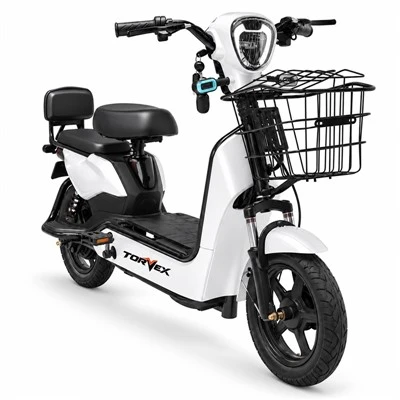
First, let’s start with the core purpose. When I sit down with a first-time buyer, I always start here: street motorcycles are built for versatility. Our line of street bikes—think models designed for city traffic, highway commutes, and even weekend rides through backroads—isn’t built for one specific use case. A street motorcycle needs to handle stop-and-go traffic in downtown areas, where quick acceleration and tight maneuverability matter more than raw power. But it also needs to keep up with highway speeds for long hauls, where aerodynamics and stability are key. Cruisers, on the other hand, were originally designed for leisure riding, specifically the classic “cruise down a coastal highway” vibe. Their whole ethos is relaxation—slow, steady rides where you can lean back and enjoy the scenery, not hustle through traffic. That foundational purpose shapes every single part of both bikes.
Let’s talk about ergonomics, because that’s the first thing you notice when you sit on a bike. Street motorcycles have a more upright but active riding position. The handlebars are usually positioned at about shoulder height or slightly lower, with footpegs placed right under the rider’s seat. This setup lets you lean forward a bit when needed, which helps with aerodynamics at higher speeds, and it gives you easy access to the controls while weaving through traffic. I’ve ridden our 2024 street model through the narrow streets of Portland, Oregon, and that position lets me pivot smoothly between parked cars, quick to hit the brakes or adjust my line without straining my back.
Cruisers flip that entirely. The handlebars are typically higher, often called “ape hanger” bars, which sit well above shoulder level, and the footpegs are stretched out forward, almost under the front of the tank. That long, stretched-out leg position might look iconic in classic cruiser ads, but it’s meant for one thing: sitting back and relaxing for hours without shifting much. I’ve taken a customer’s vintage cruiser on a 100-mile ride along the Pacific Coast, and after an hour, my knees were starting to ache because my legs were held in that extended position. It’s great for cruising at 55-60 mph, but it’s not built for quick moves. One of our colleagues who’s a cruiser rider told me he avoids rush hour entirely for that exact reason—those footpegs make lane splitting almost impossible.
Next up, engine and performance. Street motorcycles come with a range of engine sizes, usually from 125cc for beginner models up to 1000cc or more for sport-aligned street bikes. The engines are tuned for quick, responsive power delivery at lower and mid-range RPMs. That means when you twist the throttle, you get immediate acceleration to zip away from a red light or merge onto a highway without waiting for the engine to rev up. The exhaust systems are also designed to be quieter and more street-legal, with less backpressure to keep performance consistent in stop-and-go traffic. Our most popular street model, the one we sell to new commuters, has a 650cc parallel twin engine that hits peak torque at 6000 RPM—perfect for 0-60 in under 5 seconds, but it’s not so powerful that it’s hard to handle for someone still learning.
Cruiser engines are almost always V-twin engines, and they’re tuned for low-end torque, not high-speed acceleration. A typical cruiser might have an 1800cc V-twin, but most of that power is available at 2000-4000 RPM. That means if you’re cruising along at 60 mph and you want to pass a car, you have to downshift a few times to get the engine revving high enough to make power. It’s smooth, which is great for leisure rides, but it’s not built for quick bursts of speed. I once helped a customer compare a street bike and a cruiser for his daily commute, and he ended up going with the street model because he said merging onto the highway felt like he was “waiting for the engine to wake up” with the cruiser. Cruisers also have a heavier frame to handle that big V-twin engine, which makes them feel more stable at slow speeds, but less agile when you need to make a quick turn.
Suspension and handling are another big difference. Street motorcycles have stiffer front forks and a shorter wheelbase. The shorter wheelbase—usually around 55 inches or less—means the bike can turn faster, which is essential for navigating tight city streets and curvy backroads. The stiffer suspension also handles bumps and potholes better in urban areas, so you don’t feel like you’re bouncing around every time you hit a cracked road. I’ve tested our street bike on a gravel backroad outside of Seattle, and the suspension held up well, giving me a smooth ride without sacrificing control.
Cruisers have longer wheelbases, often stretching to 65 inches or more, which makes them more stable at high speeds but way less maneuverable. The suspension is softer, too, designed to absorb long, gentle stretches of highway, not quick jolts from potholes or sharp turns. I tried a cruiser on a twisty road last year and had to slow way down to make a turn that I could take at full speed on our street bike. The long wheelbase just doesn’t respond to quick steering inputs the same way a street bike does. That’s not a knock on cruisers—they’re built for straight-line cruising, not winding roads.
Design and aesthetics play a role too, especially for riders who choose one over the other. Street motorcycles have a more streamlined, functional design. You’ll see fairings for wind protection (on some models) that cut down on wind resistance at highway speeds, compact bodywork that doesn’t add extra weight, and small, angular headlights that are designed for visibility in urban areas. The overall look is practical first, stylish second. Our customers often tell me they like the low-maintenance design of street bikes—no fancy chrome parts that need constant polishing, just reliable components that stand up to daily use.
Cruisers are all about the classic, nostalgic design. Chrome is everywhere—on the exhaust pipes, handlebars, spoke wheels, and even the engine covers. The fuel tank is often elongated and rounded, matching the vintage look that’s been popular since the mid-20th century. Seat cushions are thick and plush, designed for comfort during long rides, and there’s usually plenty of space for saddlebags for weekend trips. That design is a big part of the appeal—many cruiser riders love the tradition and the iconic look that turns heads on the road.
Wait, but here’s a common misconception: some people think street motorcycles are just “budget cruisers” or that cruisers are too old-fashioned for modern use. That’s not true at all. Both categories have evolved a lot in the last 10 years. Modern street bikes now come with features like LED lighting, traction control, and even Bluetooth connectivity, which were unheard of a decade ago. Our latest street model has a full-color dash that lets you track fuel economy, speed, and turn-by-turn navigation, which is perfect for commuters who rely on their bikes every day.
Cruisers have evolved too—you’ll find modern cruisers with fuel injection, anti-lock braking systems (ABS), and even liquid-cooled engines now. The big difference is that they still keep the ergonomic design and V-twin engine that defines the category. I had a customer last year who wanted the classic cruiser look but needed the safety features for commuting, so we worked with a manufacturer to add ABS to a custom cruiser model, and he’s been using it for his daily commute ever since. That’s the great thing about both categories—there’s a model for every need, you just have to know what you’re looking for.
Let me break it down with a real example so it’s easier to visualize. Take a customer who’s a nurse in Chicago, commuting 15 miles each way on busy streets. She came to us last month, looking for a bike that could handle the L-loop traffic on Lake Shore Drive, quick to stop for red lights and merge smoothly onto the Kennedy Expressway. We showed her our 650cc street model: upright but active ergonomics, quick acceleration, tight handling, and a built-in USB charger for her phone. She test-rode it for an afternoon, and said it felt like it was made for her daily route.
Compare that to a teacher in Austin who wants to ride on weekends along the Colorado River, no rush, just enjoying the scenery. He test-rode a cruiser last month—high handlebars, extended footpegs, the deep rumble of a V-twin. He told me it felt like “sitting in an armchair on two wheels,” perfect for the slow, leisurely rides he wants. Neither bike is better than the other; they’re just built for different needs.
As a street motorcycle supplier, I see every day how important it is to match the right bike to the right rider. A lot of first-time buyers come in thinking all bikes are the same, just different colors or price points. But after explaining the differences in ergonomics, performance, and purpose, they can make a decision that fits their lifestyle, not just what looks cool. I’ve seen customers walk in unsure, and leave with a bike they love because they understood how it works for their daily routine.
If you’re in the market for a motorcycle—whether you’re a first-time rider looking for a daily commuter, or a seasoned rider wanting to upgrade your weekend cruiser—it’s worth taking the time to test both types and think about how you’ll actually use the bike. Stop by our shop, take a street model for a spin through the city streets, or sit on a cruiser and feel the ergonomics for yourself. We have a wide range of street motorcycles, from beginner-friendly models to high-performance commuters, and we can help you find the right fit for your needs.
Don’t just take my word for it—talk to other riders, watch reviews from people who actually use these bikes every day, and don’t be afraid to ask questions. The best bike for you is the one that feels comfortable, handles the way you want, and fits the way you ride. Whether you’re zipping through downtown traffic or cruising down a coastal highway, there’s a perfect option out there, and we’re here to help you find it. If you’re interested in learning more about our street motorcycle lineup or discussing a custom order, reach out to our team today to start the procurement process. We’re happy to walk through all the details, answer any questions, and make sure you get the bike that’s right for you.
Carburetor Street Bike References
- Motorcycles: Design, Development, and Performance by Tony Foale
- The Complete Book of Motorcycles: Every Model Since 1885 by Charlie Cook
- “Street Motorcycle Ergonomics and Urban Performance” – Journal of Transportation Engineering, 2021
- Cruiser Motorcycle Technology: Engineering for Long-Haul Riding by the American Motorcyclist Association
- “V-Twin Engine Tuning for Commuter and Leisure Use” – International Journal of Automotive Technology, 2020
Shandong Tuowei Locomotive Co., Ltd.
Shandong Tuowei Locomotive Co., Ltd. is one of the most professional street motorcycle manufacturers and suppliers in China. With abundant experience, we warmly welcome you to wholesale high quality street motorcycle at competitive price from our factory. If you have any enquiry about cooperation, please feel free to email us.
Address: No.7, Area E, Advanced Manufacturing Industrial City, Middle Section of Zizhou Avenue, Gaojia Community, Zichuan Economic Development Zone, Zibo City, Shandong Province, P.R.China
E-mail: sales@torvexmoto.com
WebSite: https://www.torvexmoto.com/
