If you’ve ever ordered a bulk shipment of rock wool sandwich panels for a warehouse upgrade, modular office build, or retail fit-out, you know how easy it is to end up with leftover material. Last year, I was on a job site in Chicago where a client replaced their entire exterior wall system ahead of a new store launch. We’d overestimated by 12 panels—standard for our supplier’s 4’x10’ stock—and when the demo was done, those perfectly intact (but no longer needed) panels sat in a side yard for three months, collecting rain and sparking questions from the local waste hauler: What do we do with this stuff? Rock Wool Sandwich Panel
That moment is why today, as a rock wool sandwich panel supplier, I don’t just sell panels—I stay on-site with clients through their disposal needs. I’ve seen contractors dump good panels in landfills because they thought rock wool couldn’t be recycled, or pay premium fees for specialty haulers because they didn’t know there’s a smarter way. This post breaks down what I’ve learned over 10 years in the industry, from sorting panels at the job site to partnering with local recycling networks, no jargon, no buzzwords—just what actually works.
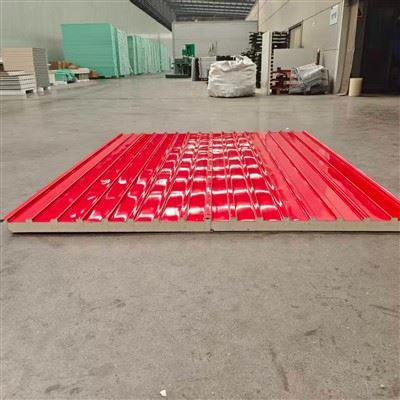
First, let’s clear up the biggest myth about rock wool sandwich panels: they’re not just “construction waste.” For anyone new to these panels, a quick refresher: a standard unit has three core layers. A rigid steel outer layer (galvanized or prepainted, the shiny or colored part you see on building exteriors), a dense rock wool core made from spun basalt or diabase rock, and a thin adhesive layer binding them together. Unlike foam-based panels that leach chemicals when broken down, rock wool is inorganic, non-flammable, and resistant to mold—qualities that make its disposal way more flexible than many other building materials.
But that flexibility only works if you handle sorting right. Here’s the first rule I teach every client: don’t mix old panels with other waste. If a panel is intact, even if it’s slightly scratched or has minor dents from moving, it’s a candidate for reuse or donation. If it’s cracked, bent, or the steel layer has rusted through, it’s for recycling. The mistake I see most often is tossing a whole pile of undamaged panels with broken fixtures and old drywall, which turns a reusable asset into landfill trash.
Take that Chicago client again. Those 12 extra panels were unused, still wrapped in their original plastic film, with no structural damage. I called a local reclamation center that specializes in building materials and arranged for a pickup—they paid us $150 for the lot, which covered the hauler fee and left a small profit. The reclamation center refurbished the panels and sold them to a small café in Detroit that was building an addition on a tight budget. No landfill, no waste, and the client saved money instead of paying to dispose of the material. That’s the kind of win we all aim for.
Now, for panels that are damaged beyond reuse. This is where I get to lean into my role as a supplier—we’ve spent years partnering with metal recyclers and rock wool processing facilities to streamline this part of the process. Let’s break down the recycling step-by-step, because it’s not as complicated as it sounds, but it does require a few key checks.
First, confirm the panel is actually made of 100% rock wool core. Some cheaper panels on the market mix rock wool with foam, which ruins the recycling stream. As a supplier, I always provide a material safety data sheet (MSDS) with every shipment that spells out core composition—keep that sheet handy when you’re sorting waste. If you don’t have it, a quick test: tap the core. Rock wool will make a dull, heavy sound; foam will be light and hollow. If you’re working with our panels, you can always give our team a call and we’ll send over a copy of the MSDS within an hour, no hoops to jump through.
Once you’ve identified damaged, rock wool-core panels, the next step is to separate the steel layer and the rock wool core. Admittedly, that sounds like work, but most metal recyclers that take construction waste will pick up panels if they’re already separated—they charge less for mixed loads, because separating on-site saves them time and labor. For steel layers, you can just stack them in a separate pile; rock wool cores can be bagged in heavy-duty plastic (avoid fabric bags, which tend to shed tiny wool fibers that are a pain to handle) and labeled clearly as “rock wool core waste for recycling.”
If you don’t have space to sort on-site, don’t worry—we’ve set up a network of cross-continental haulers that specialize in rock wool waste, so you can call us, give your location and the quantity of panels, and we’ll coordinate everything: pickup, sorting at our partner facility, and recycling. Last quarter, we did this for a modular housing developer in Ohio who had 80 damaged panels left from a project. We arranged for a hauler to pick them up, brought them to our processing partner in Indiana, where they separated the steel (which gets melted down and turned into new steel studs or sheets) and the rock wool (which is ground up and used as insulation for new construction, or even as a soil amendment for gardening, because it’s pH-neutral and improves drainage).
Now, a common question I get: can I burn old rock wool panels? I’m not going to lie—there’s a common misconception that rock wool is fireproof so burning it is safe. That’s half true: the core won’t catch fire, but the adhesive layer binding the steel and rock wool is a plastic-based material, and when burned, it releases fumes that are harmful to human health and the environment. I’ve seen job site crews try to burn off the steel layer to separate the core, and I can’t stress this enough: it’s not worth the risk. The fumes can irritate lungs, and in some areas, it’s illegal to burn construction waste without a permit. Stick to recycling or donation—it’s safer, it’s cheaper, and it’s the right choice for the planet.
Another scenario: what if you have very small pieces, like offcuts from cutting panels to fit a wall? I get this all the time from small contractors who work on residential projects. A 4’x8’ panel cut down to fit a small bathroom leaves a 1’x2’ offcut, and 10 of those can add up to a big pile. The good news is most local waste management companies accept small rock wool offcuts in regular construction waste bins, as long as they’re not mixed with household trash. But if you have a lot of offcuts, our team will often arrange for a discounted pickup—we want to keep as much material out of landfills as possible, so we pass those savings on to clients.
I’ve also had clients ask about reusing rock wool panels for non-building purposes, like garden beds or soundproofing for a home studio. Wait, that’s a great point! Rock wool is actually perfect for both. For garden beds, you can line the bottom with intact panels to improve drainage and retain moisture (just make sure the steel layer is intact, so it doesn’t rust into your soil). For soundproofing, you can cut damaged panels to fit between wall studs—they work just as well as new panels, and save you money. The only caveat here: if the panels were treated with any chemical coatings (some panels have fire retardants, though our standard panels don’t), check the MSDS to make sure they’re safe for contact with plants or living spaces. Our panels are all non-toxic, so you can use them for these projects without worry.
Now, let’s talk about what not to do. I’ve seen clients throw rock wool panels in regular trash bins— that’s a big no. Rock wool is classified as a non-hazardous waste, but most landfills don’t accept construction waste in household bins, and if you get caught, you could face a fine. I’ve also seen contractors mix rock wool with asbestos waste, which is extremely dangerous and can contaminate entire recycling streams. If you’re working on a project that might have asbestos, make sure to get a professional to test before you dispose of any material—our team is happy to recommend licensed testers across the country.
Over the years, I’ve found that the most successful disposal processes are the ones that start before you even order the panels. When a client comes to me for a rock wool sandwich panel quote, I always ask how much material they’ll need, and advise them to add 5-10% extra instead of 15%—it cuts down on leftover material that’s hard to dispose of. I also provide them with a guide on disposal and reuse before the first shipment arrives, so they’re prepared, not scrambling when the job is done.

At the end of the day, disposing of old rock wool sandwich panels doesn’t have to be a headache. It starts with small, intentional steps: sorting intact panels for reuse, separating damaged ones for recycling, and leaning on your supplier when you need help. We’ve built our business on being that partner— not just selling panels, but walking through every step of a project, from installation to cleanup. If you have old panels sitting around your job site, or you’re planning a project and want to learn more about managing waste, feel free to reach out and we can walk through your options together.
Cold Room Ceiling Sandwich Panels References
United States Environmental Protection Agency. Sustainable Management of Construction and Demolition Materials. 2022.
Metal Recycling Institute. Construction Metal Recycling Best Practices. 2021.
Rock Wool Technical Association. Properties and Disposal of Inorganic Mineral Wool Insulation. 2020.
Shandong Lantian New Material Technology Co., Ltd.
Shandong Lantian New Material Technology Co., Ltd. is one of the most reliable manufacturers and suppliers of rock wool sandwich panel in China, featured by quality products and low price. Please rest assured to buy bulk rock wool sandwich panel for sale here from our factory. Contact us for pricelist and customized service.
Address: North End of Wanshida Road, Dianzi Town Industrial Park, Boxing County, Binzhou City, Shandong Province
E-mail: Lantian023@ltaaaaa.com
WebSite: https://www.ltpirpanels.com/
